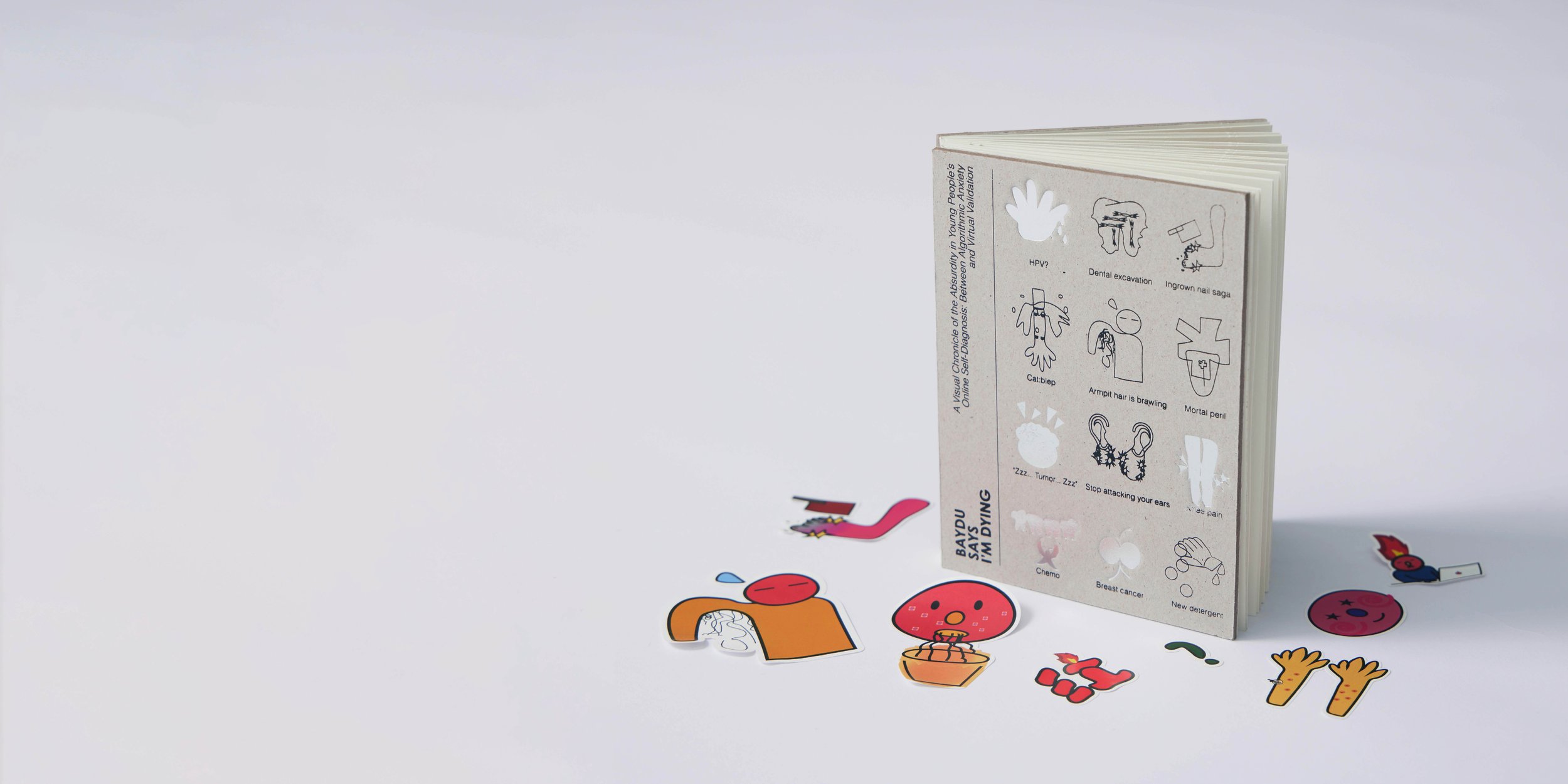
Digital Health Anxiety | Online Self-Diagnosis | Book Design
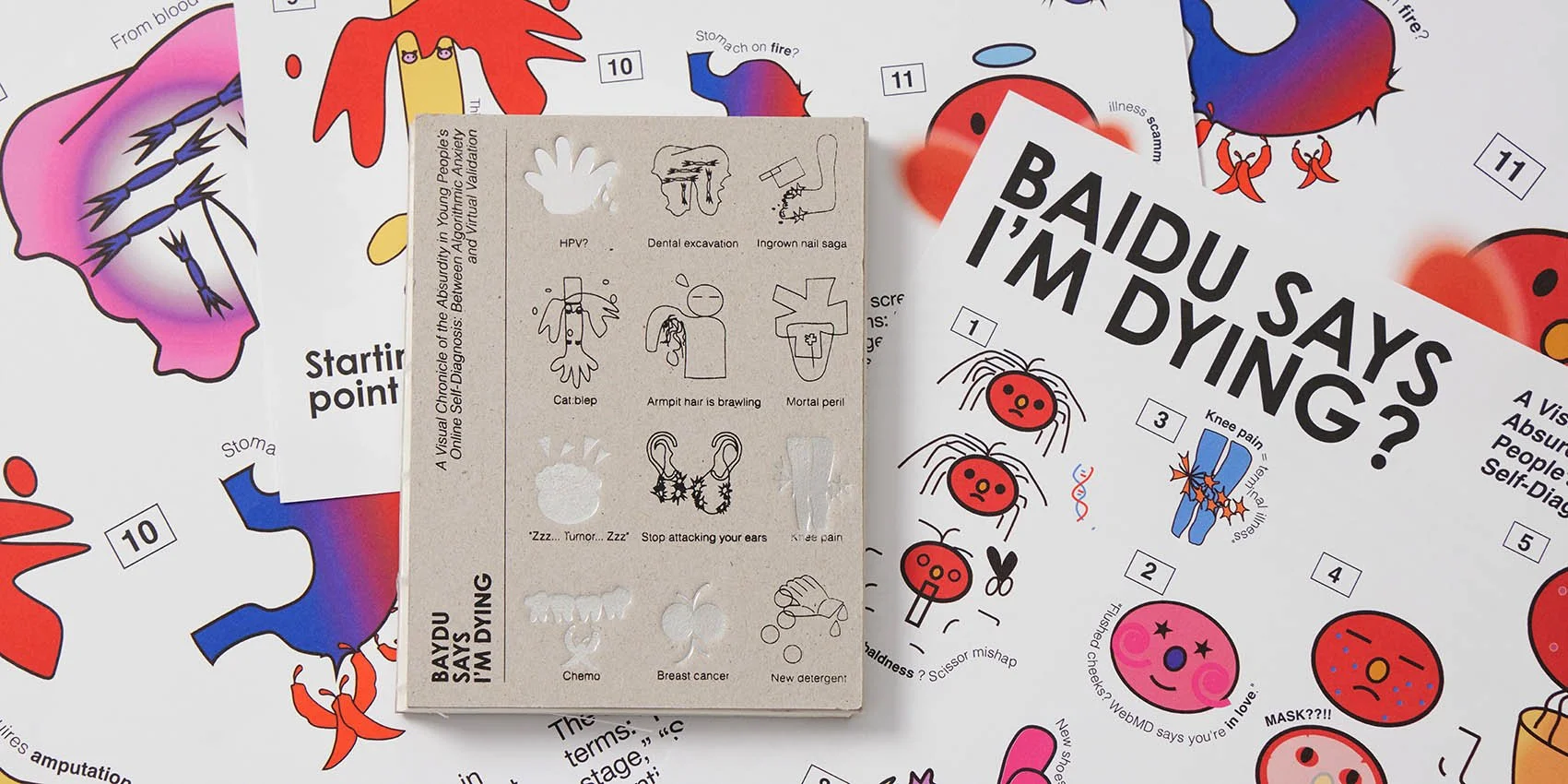
BAIDU SAYS I’M DYING?
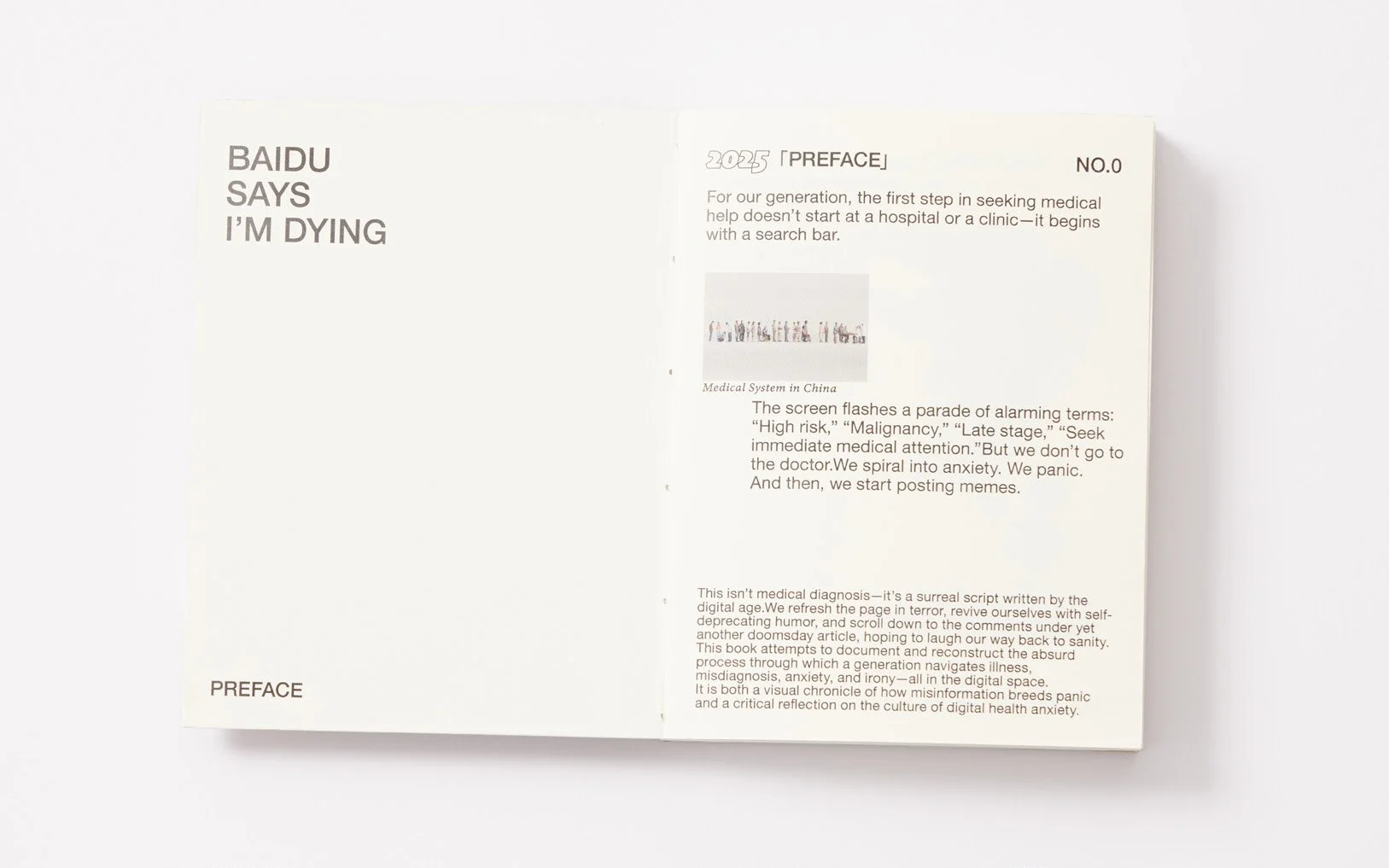
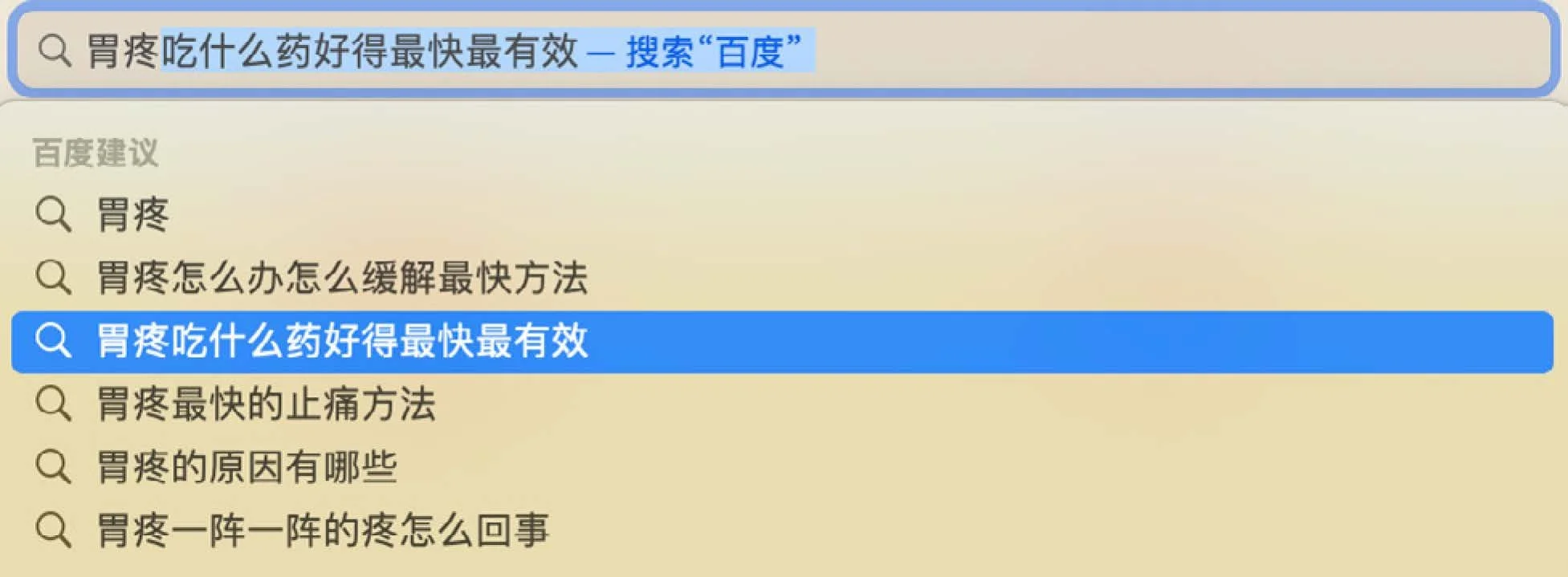
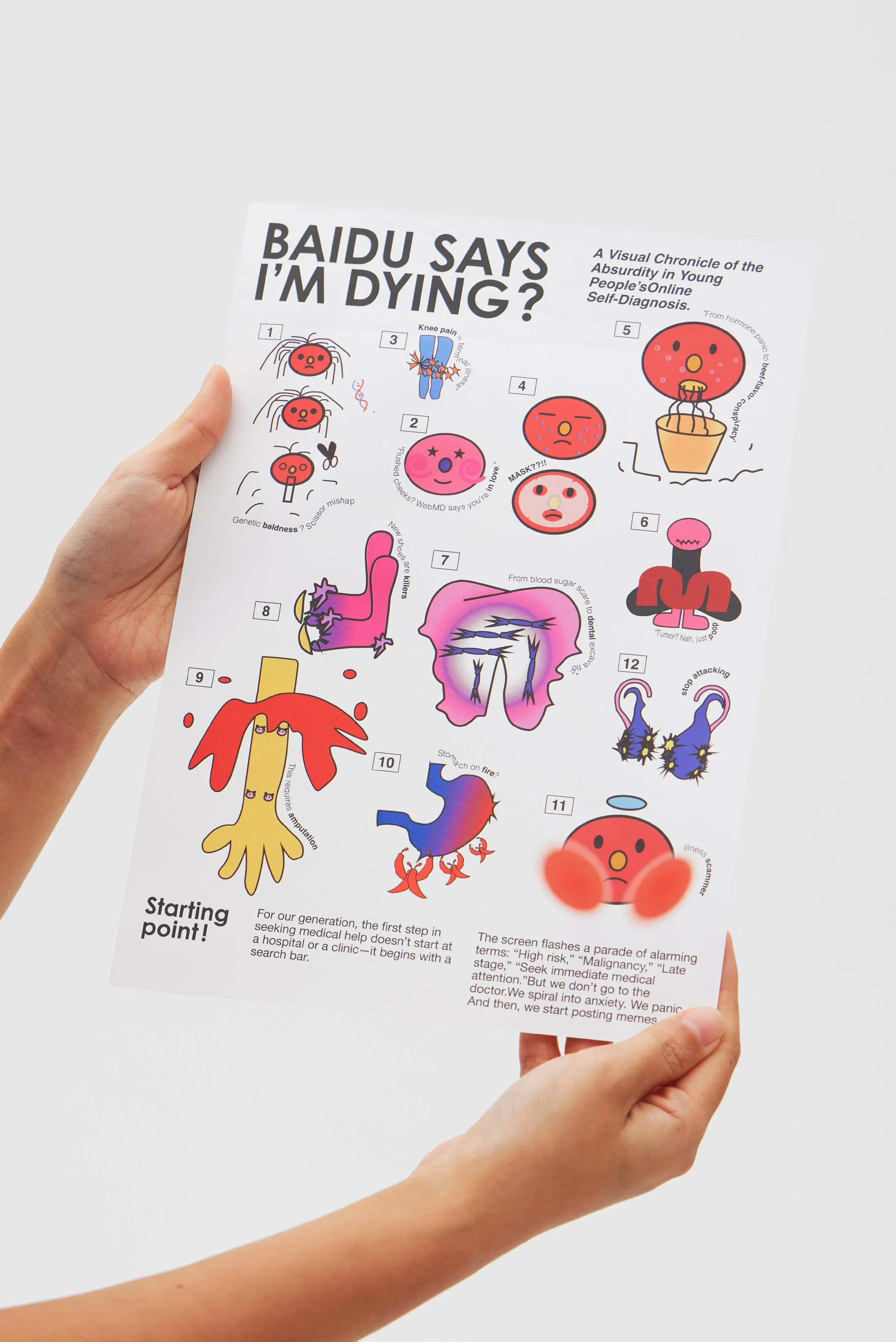
In today's still-developing digital healthcare landscape, many young people have adopted a curious "diagnosis pathway":feeling unwell >searching on Baidu discovering a terminalillnessspiraling into anxiety posting memes to cope.
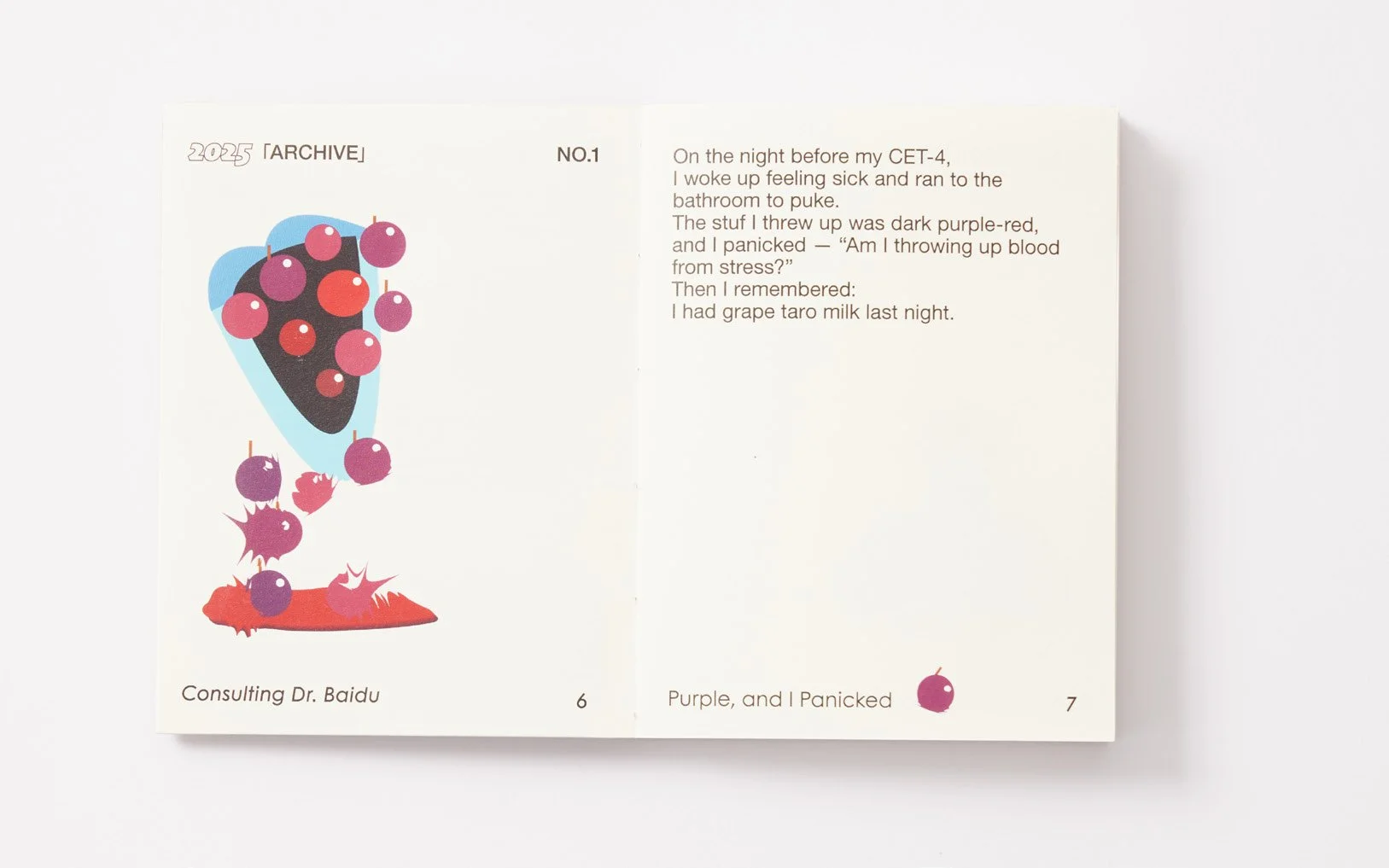
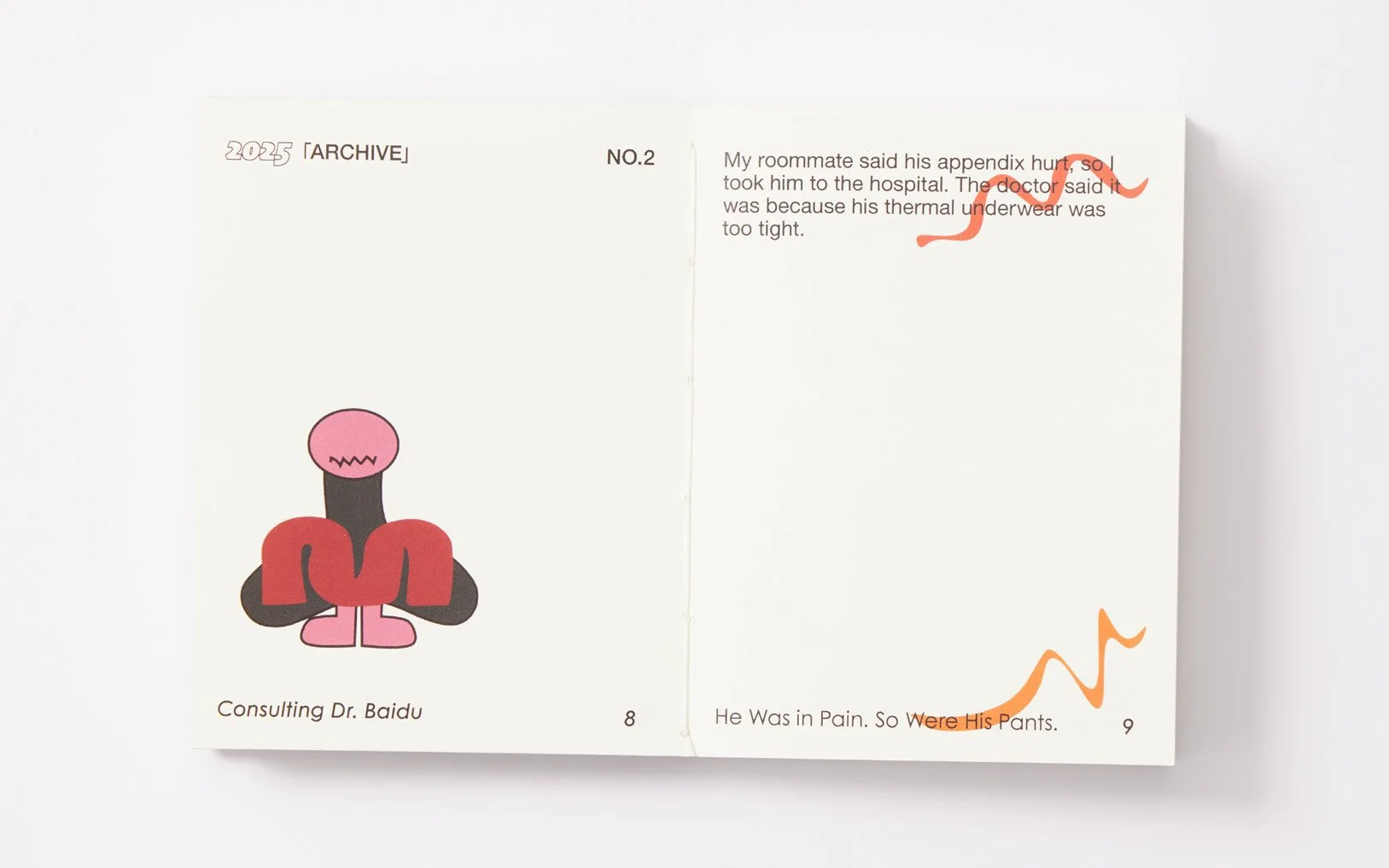
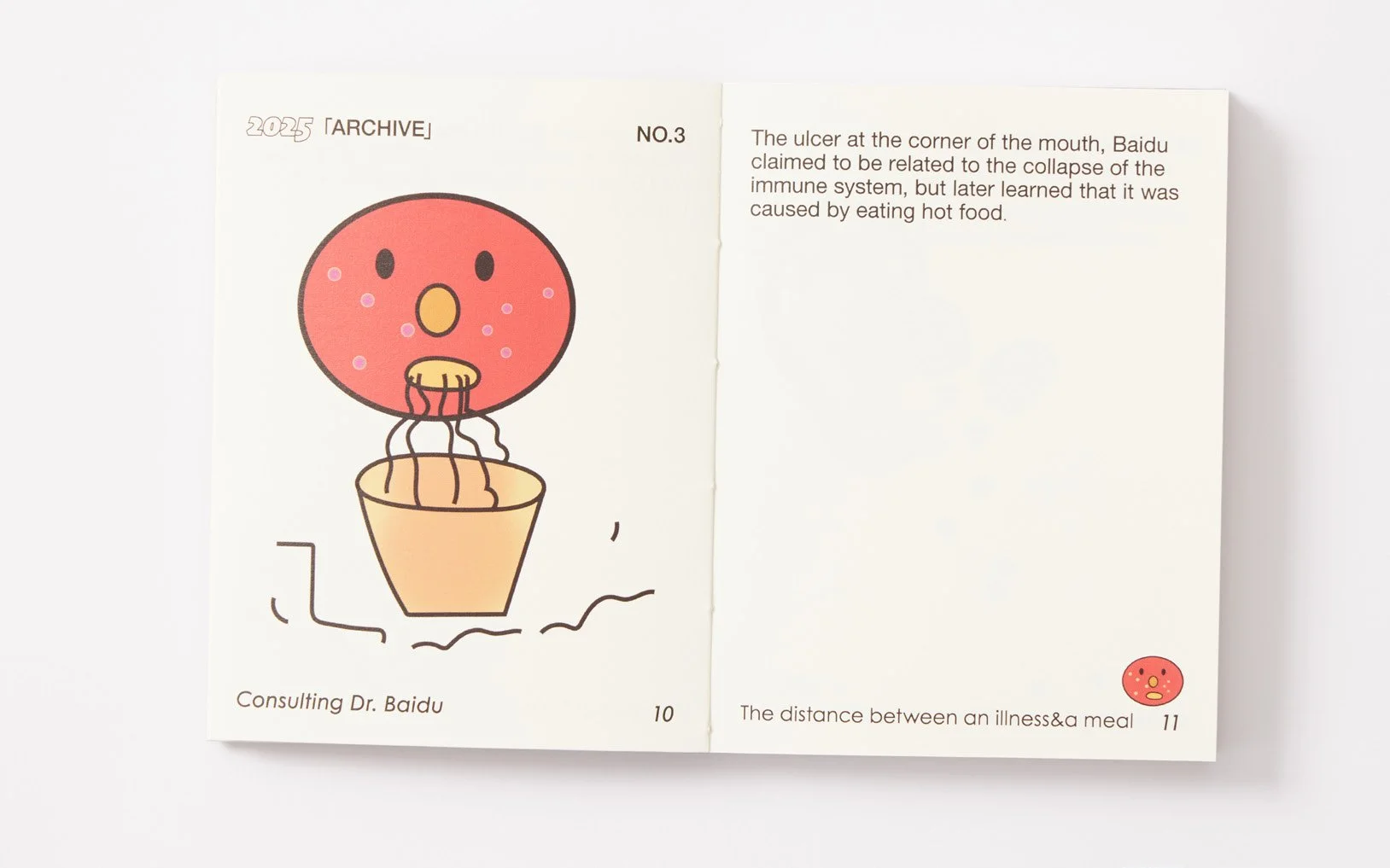
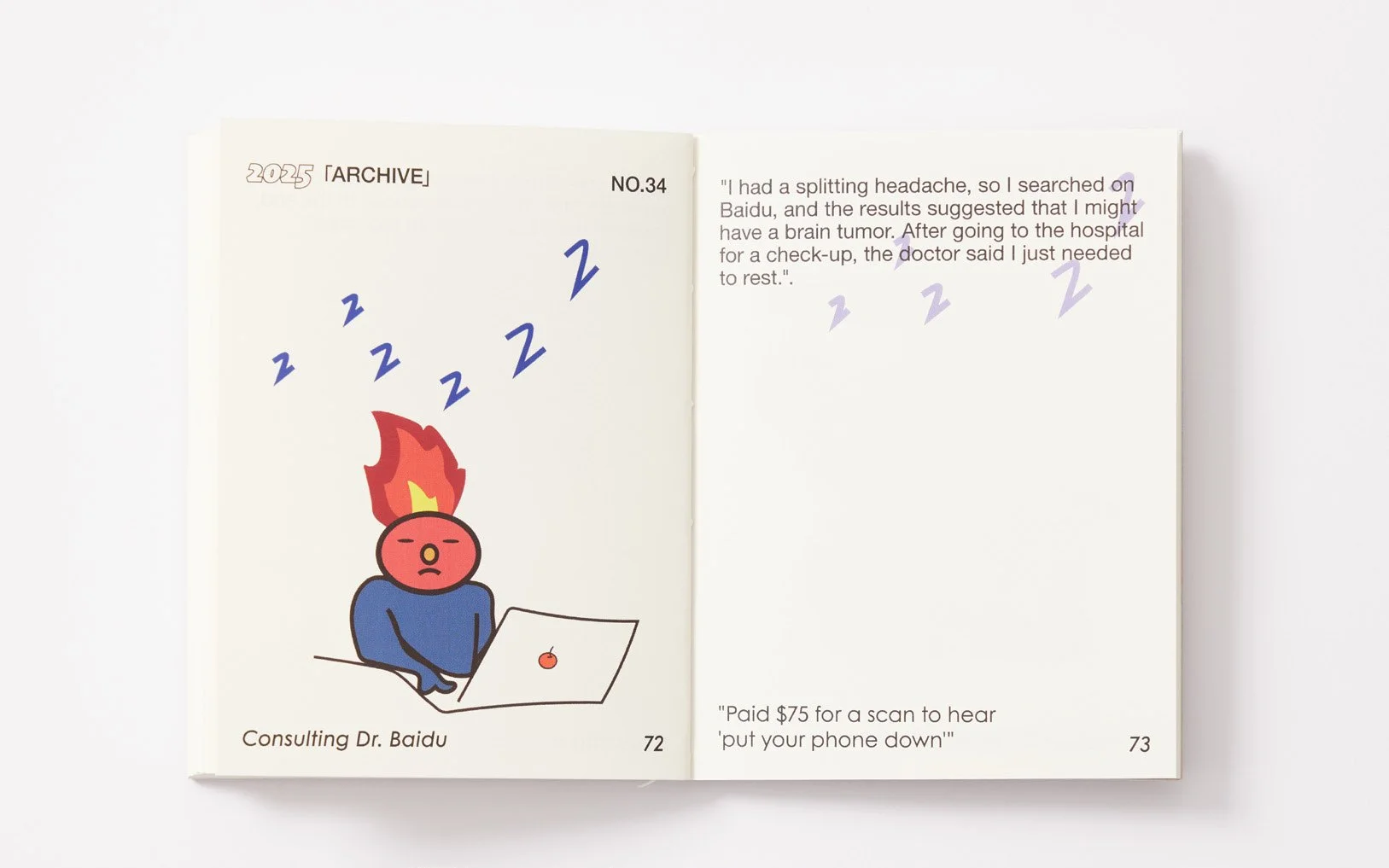
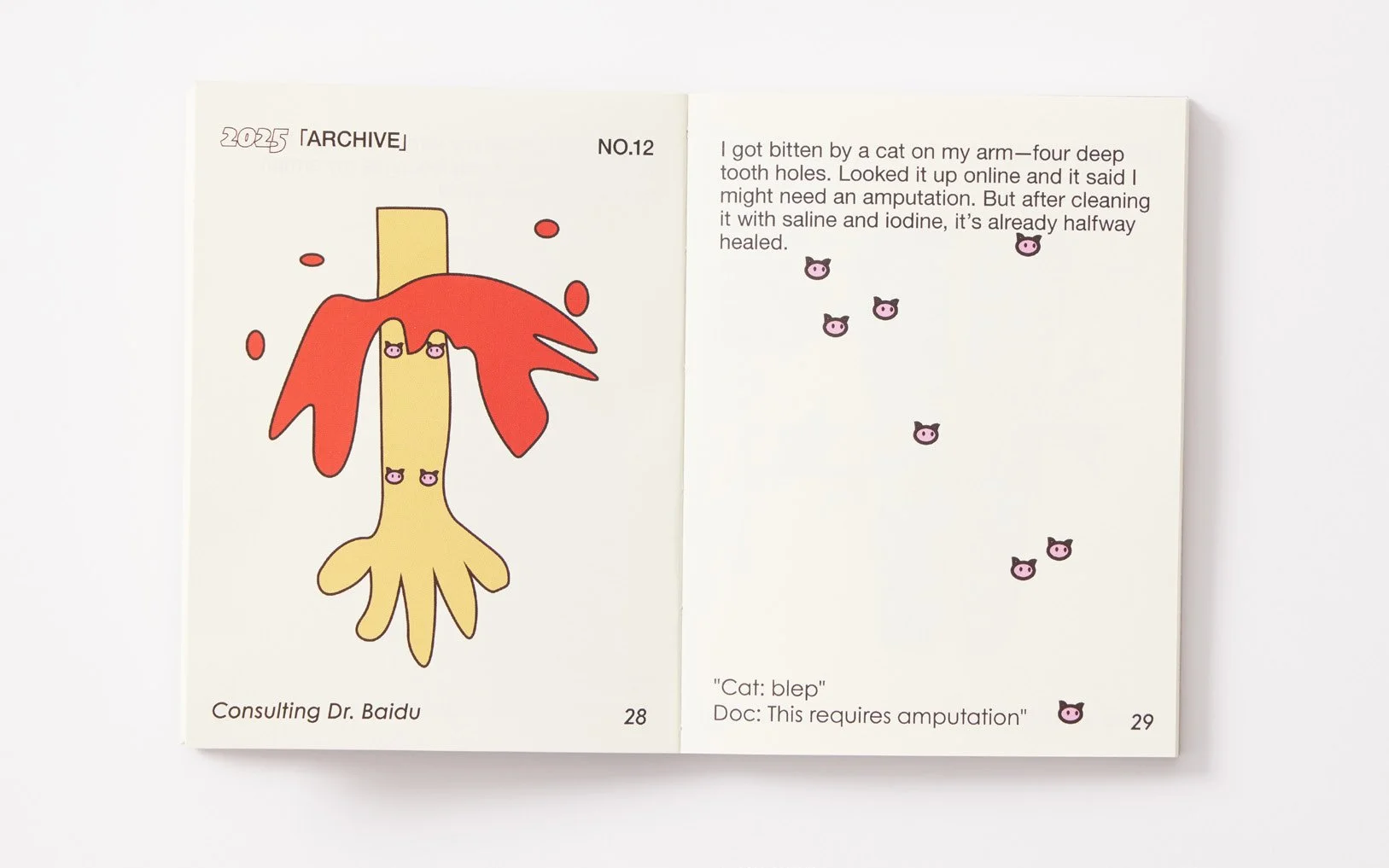
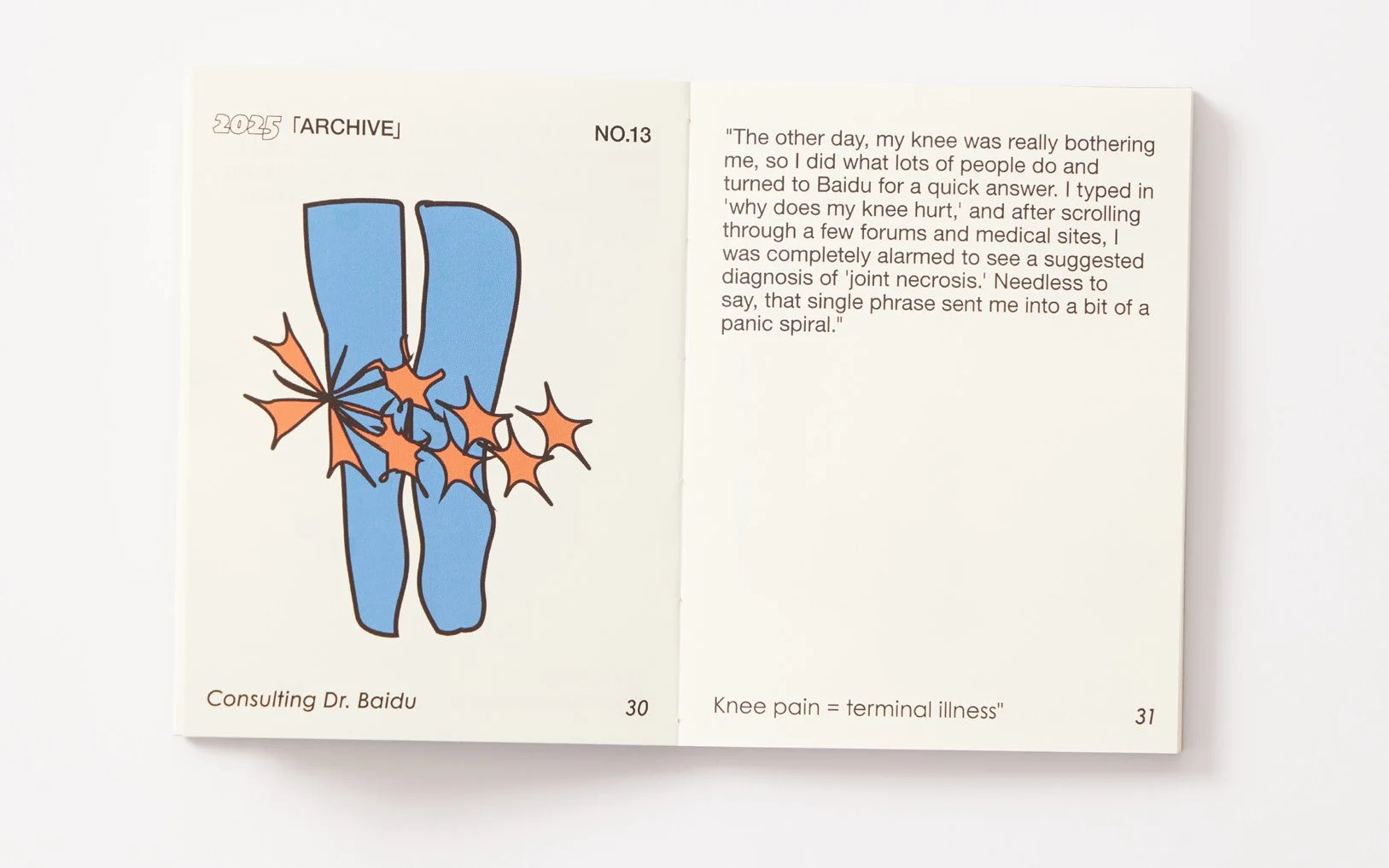
A sore throat becomes throat cancer, dizziness means a braintumor, diarrhea might be HlV-when in fact, it's usually just chili oil, a mouth ulcer, or a bad night's sleep.
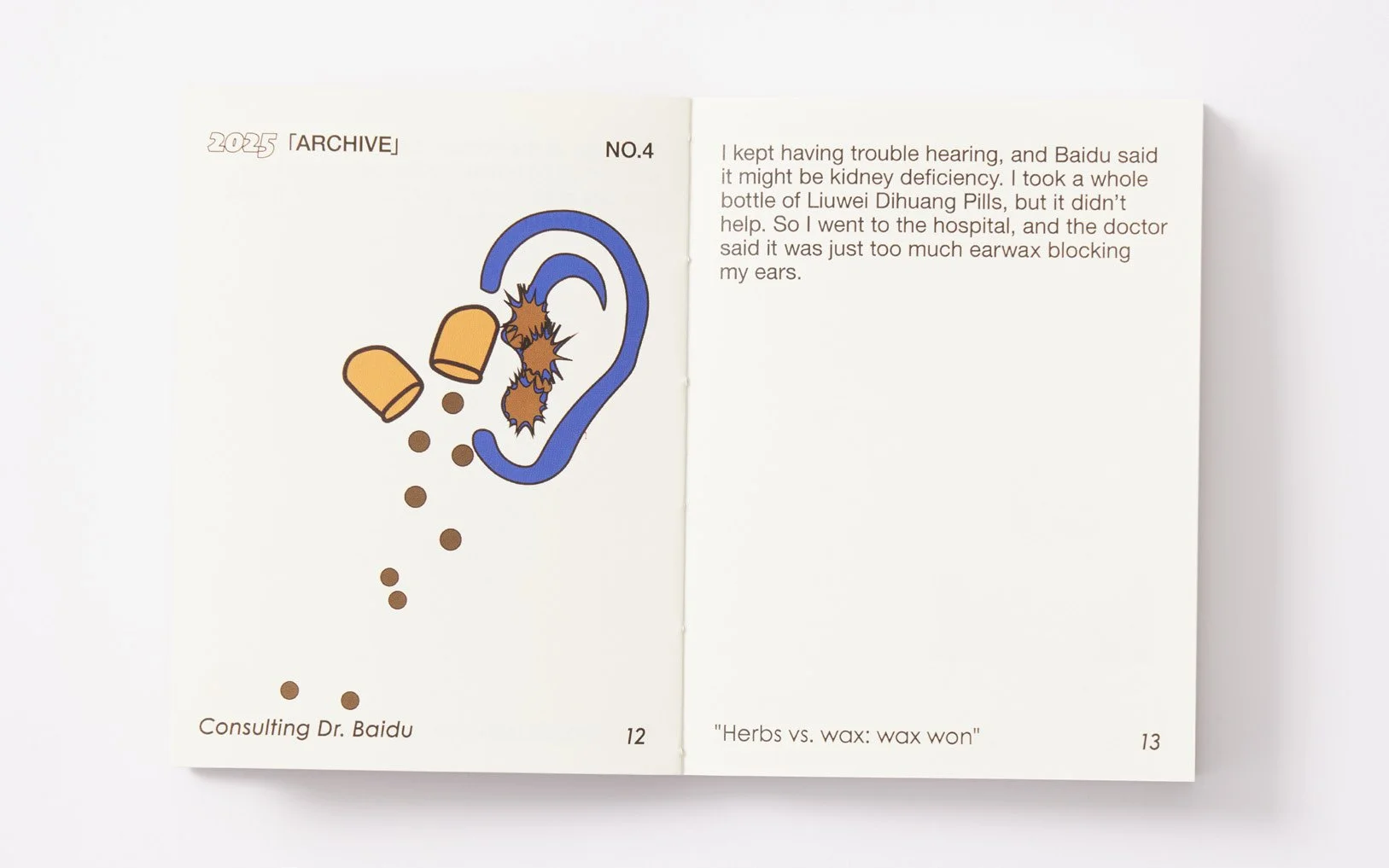
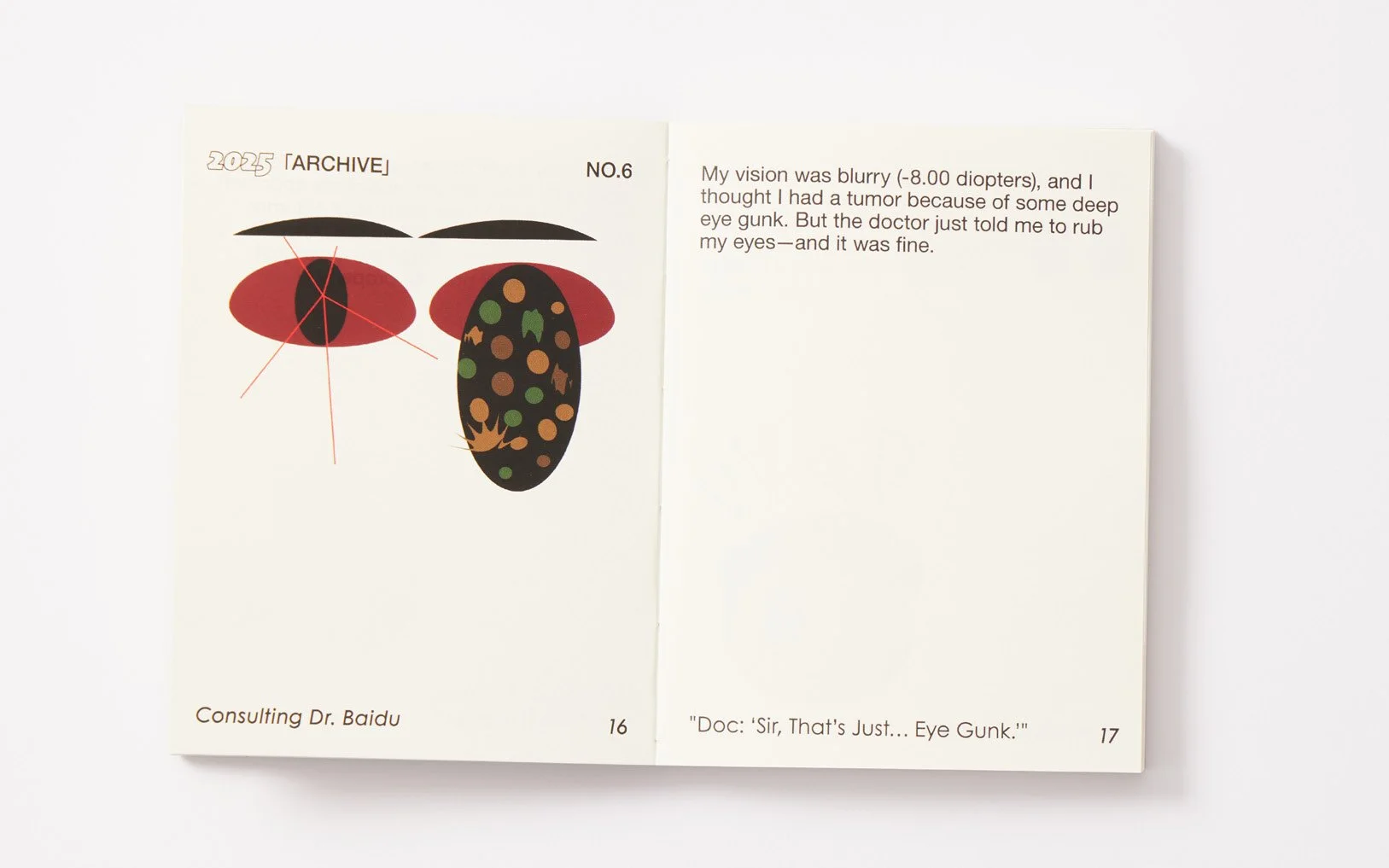
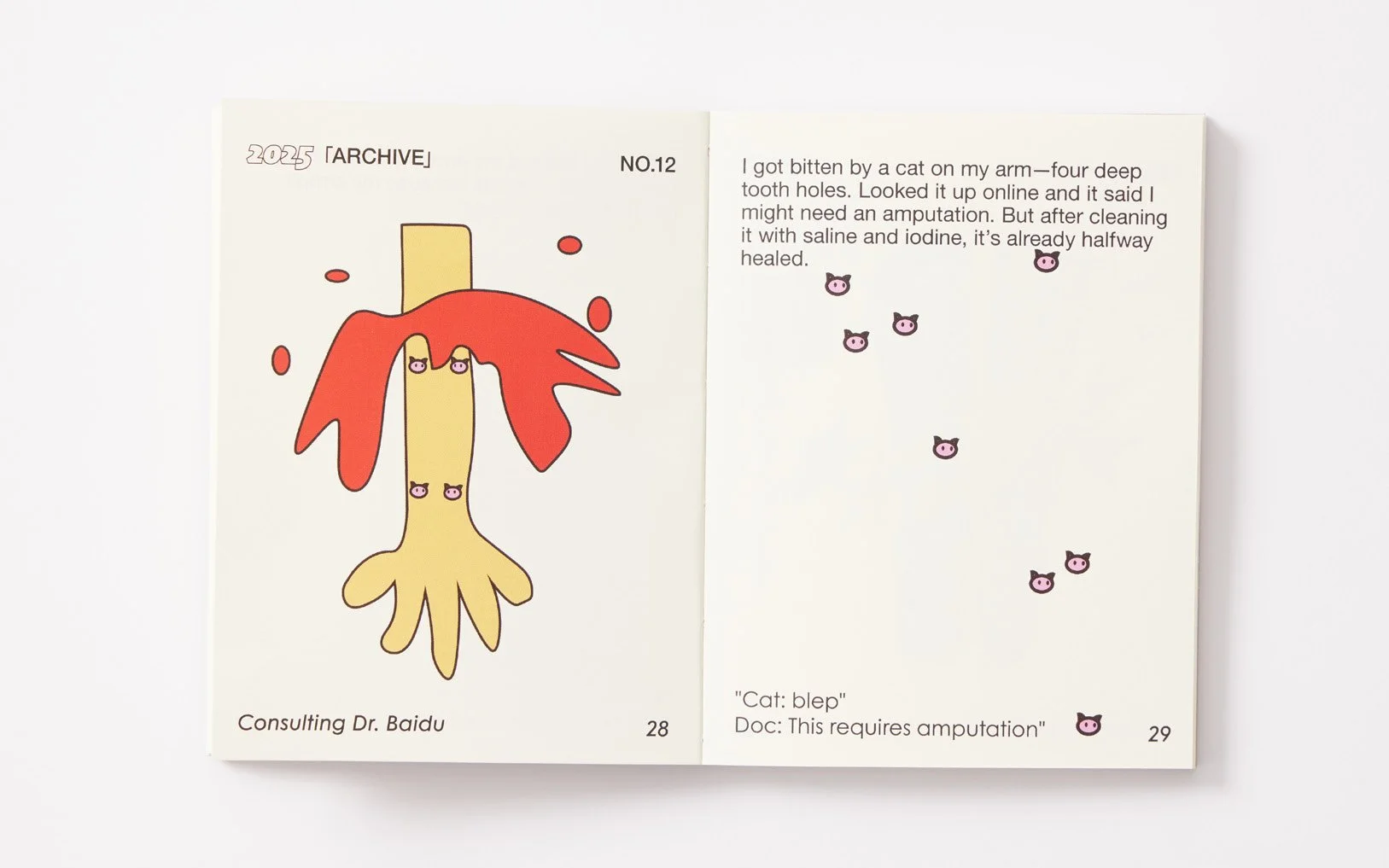
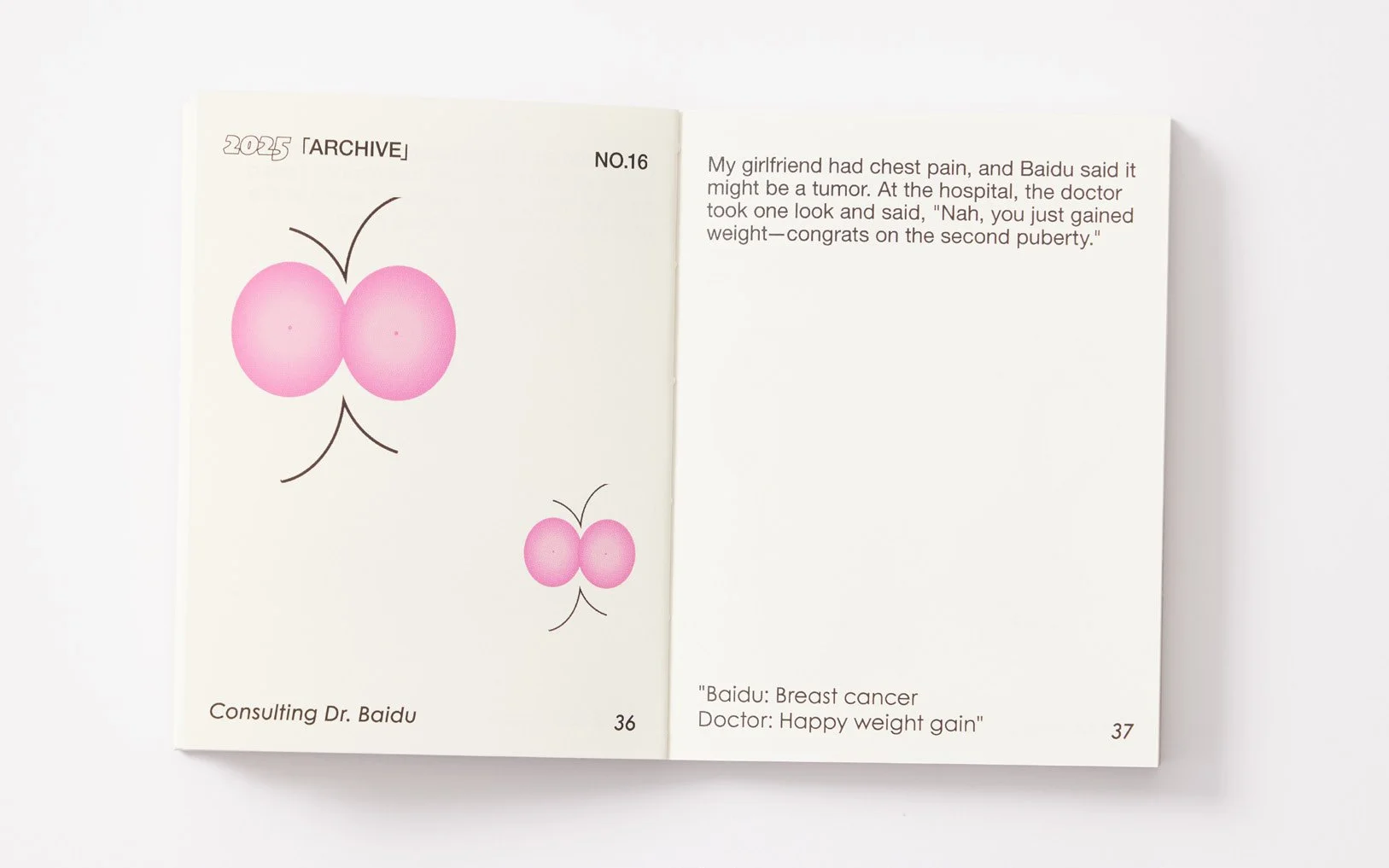
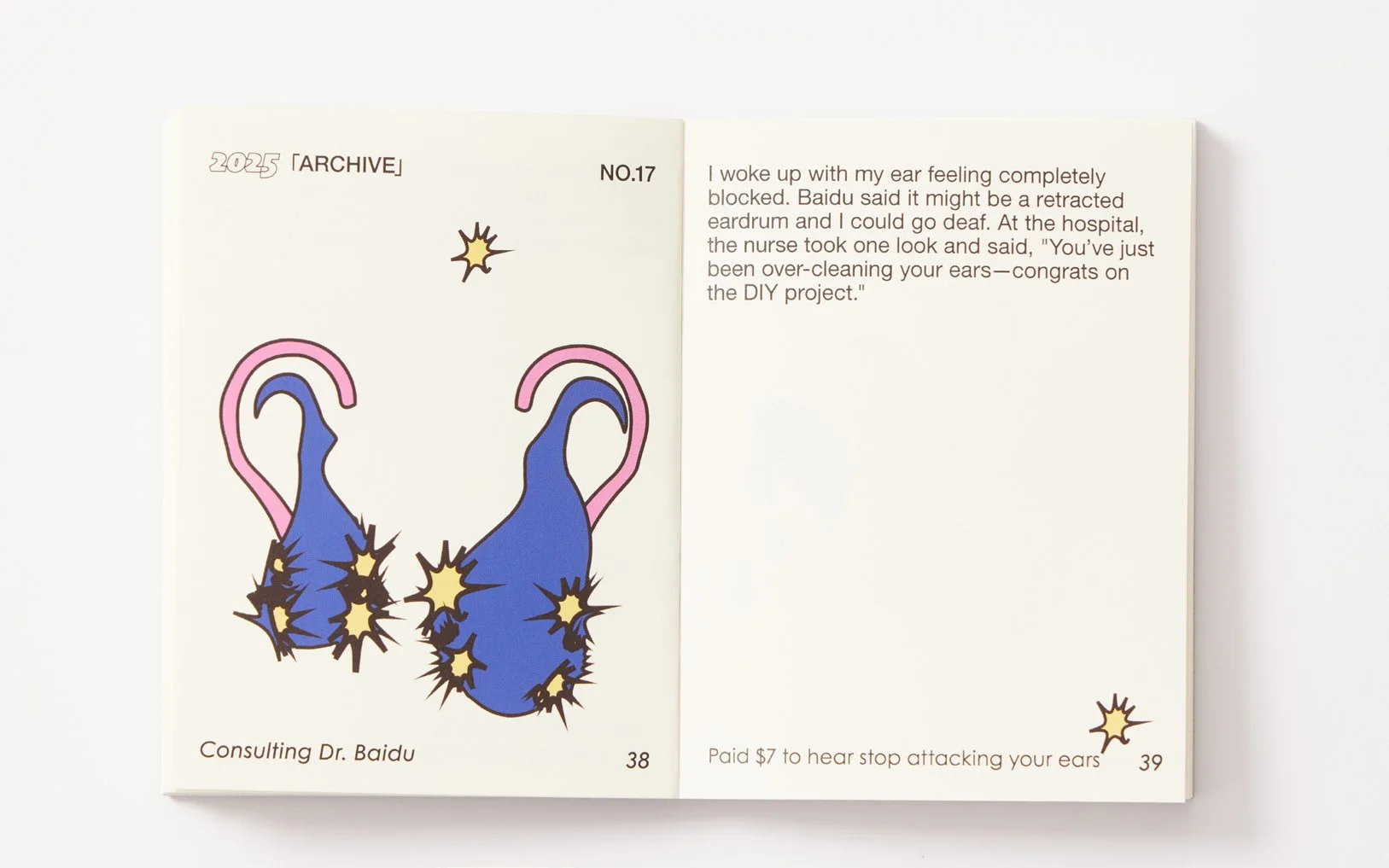
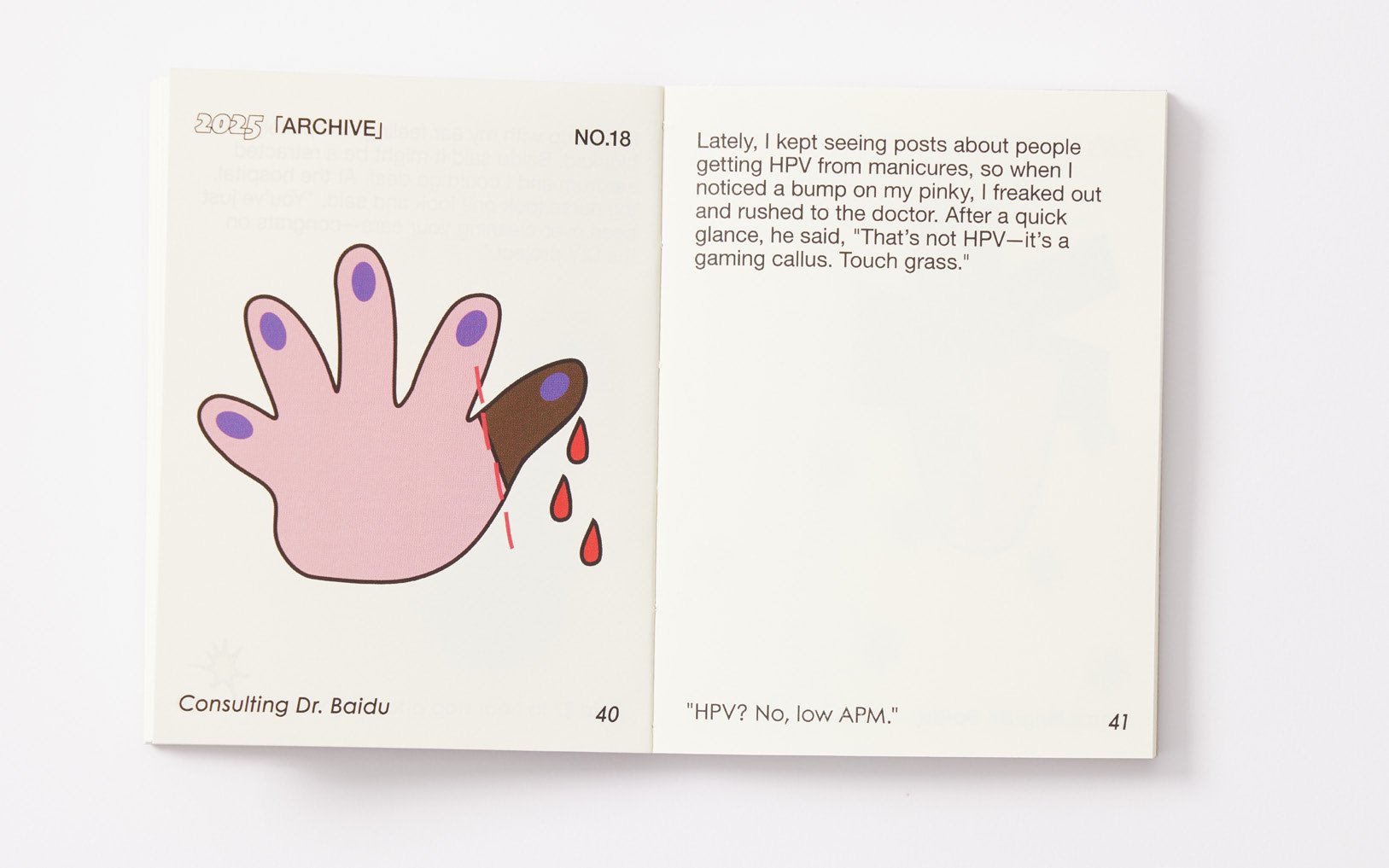
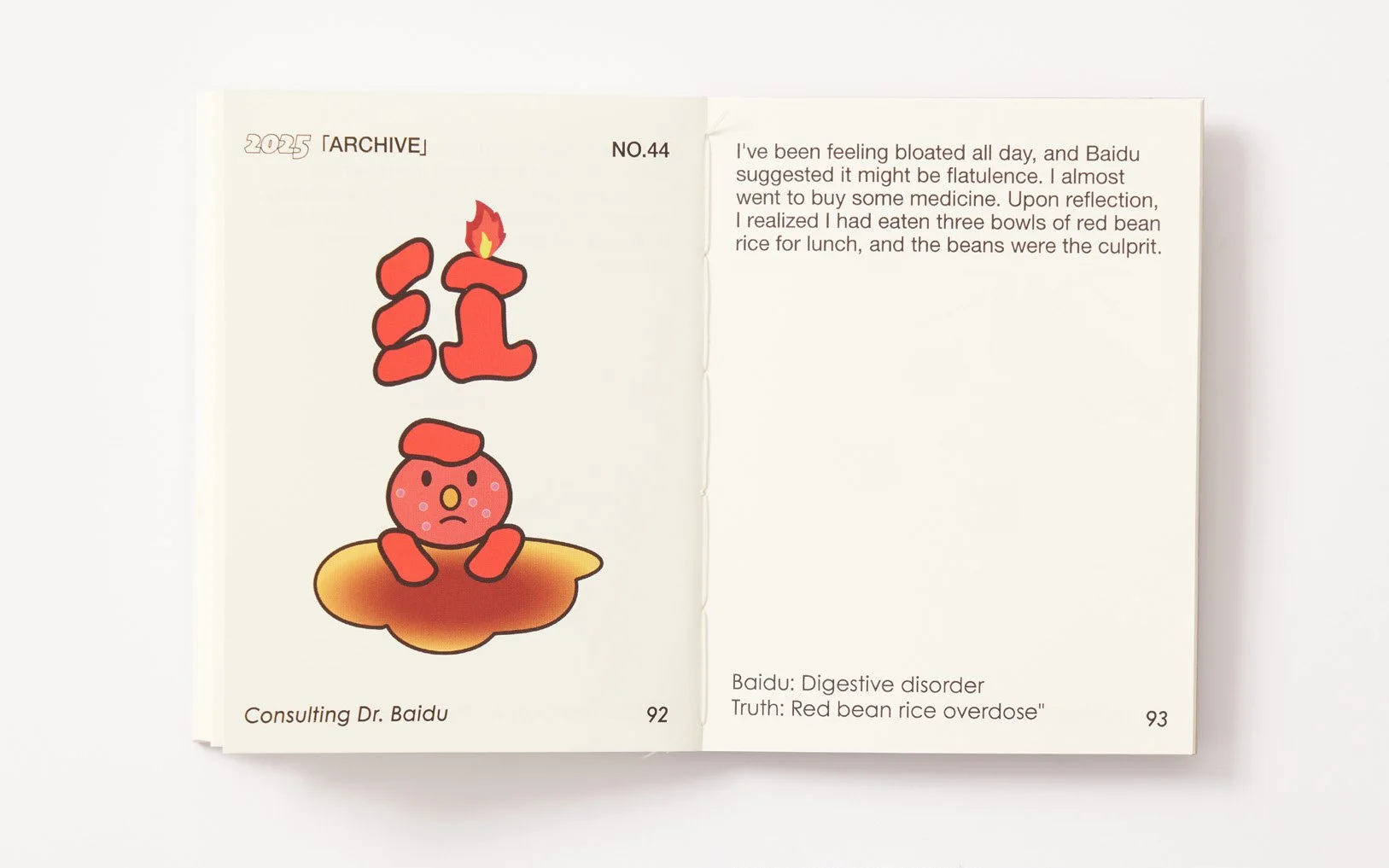
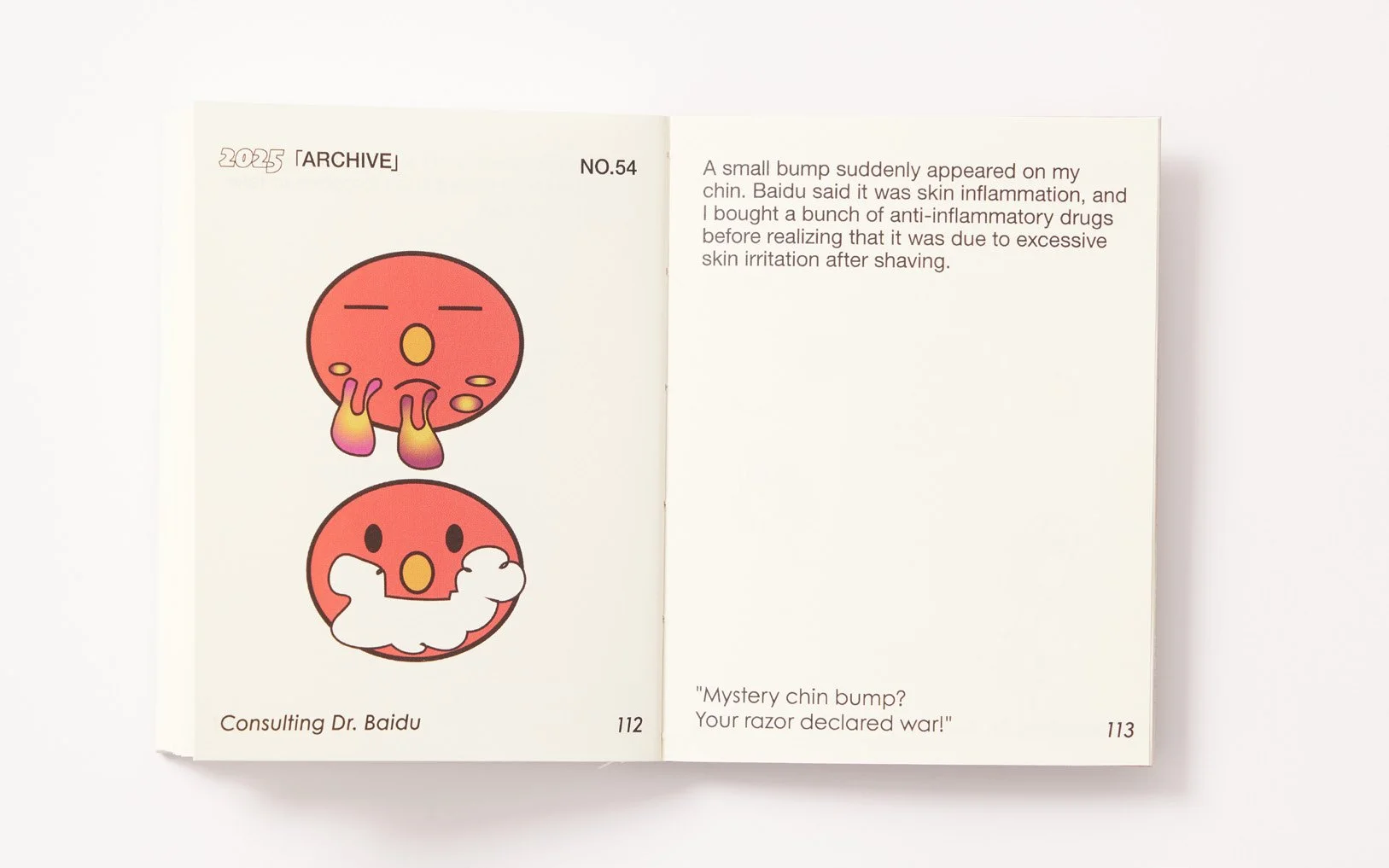
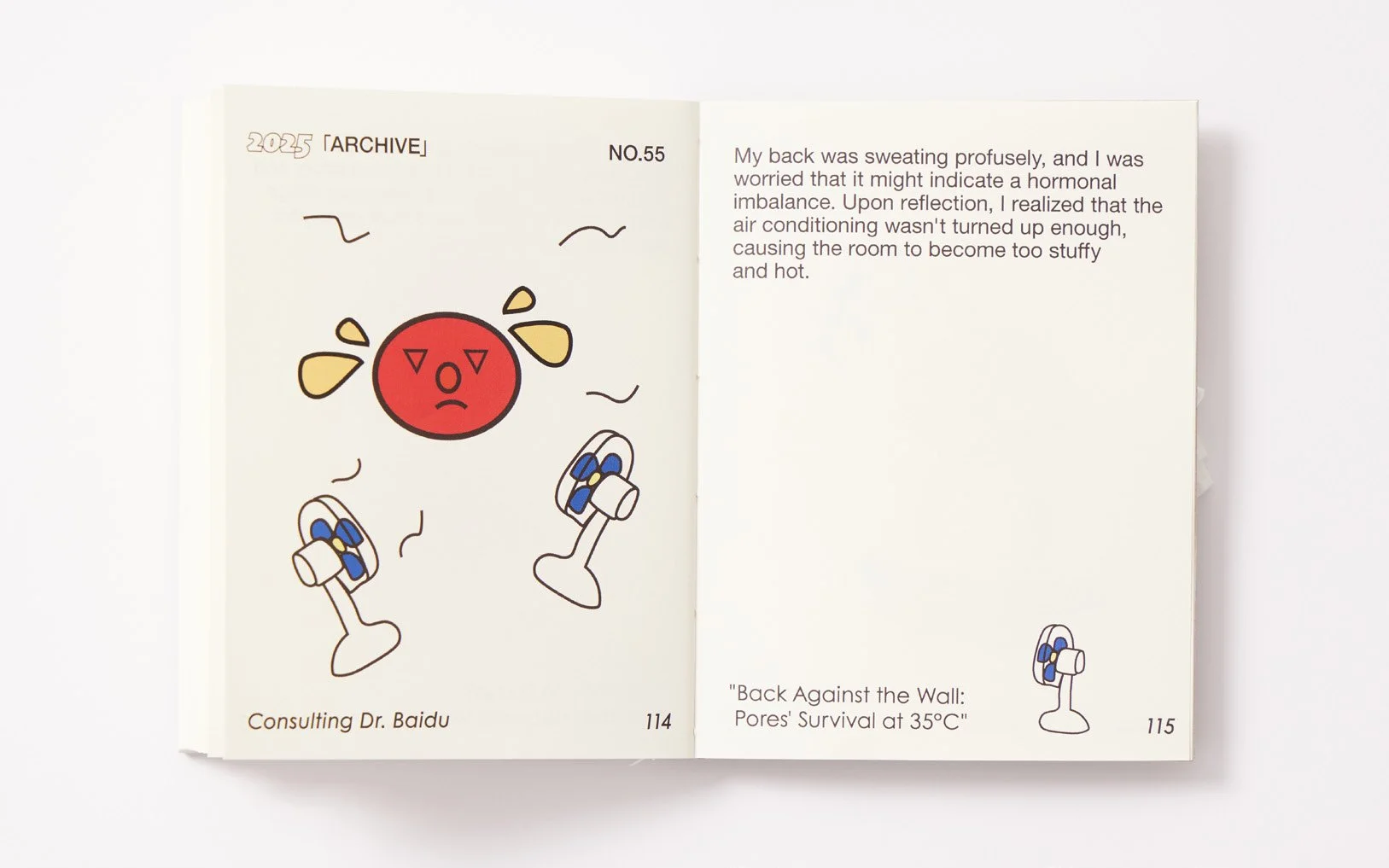
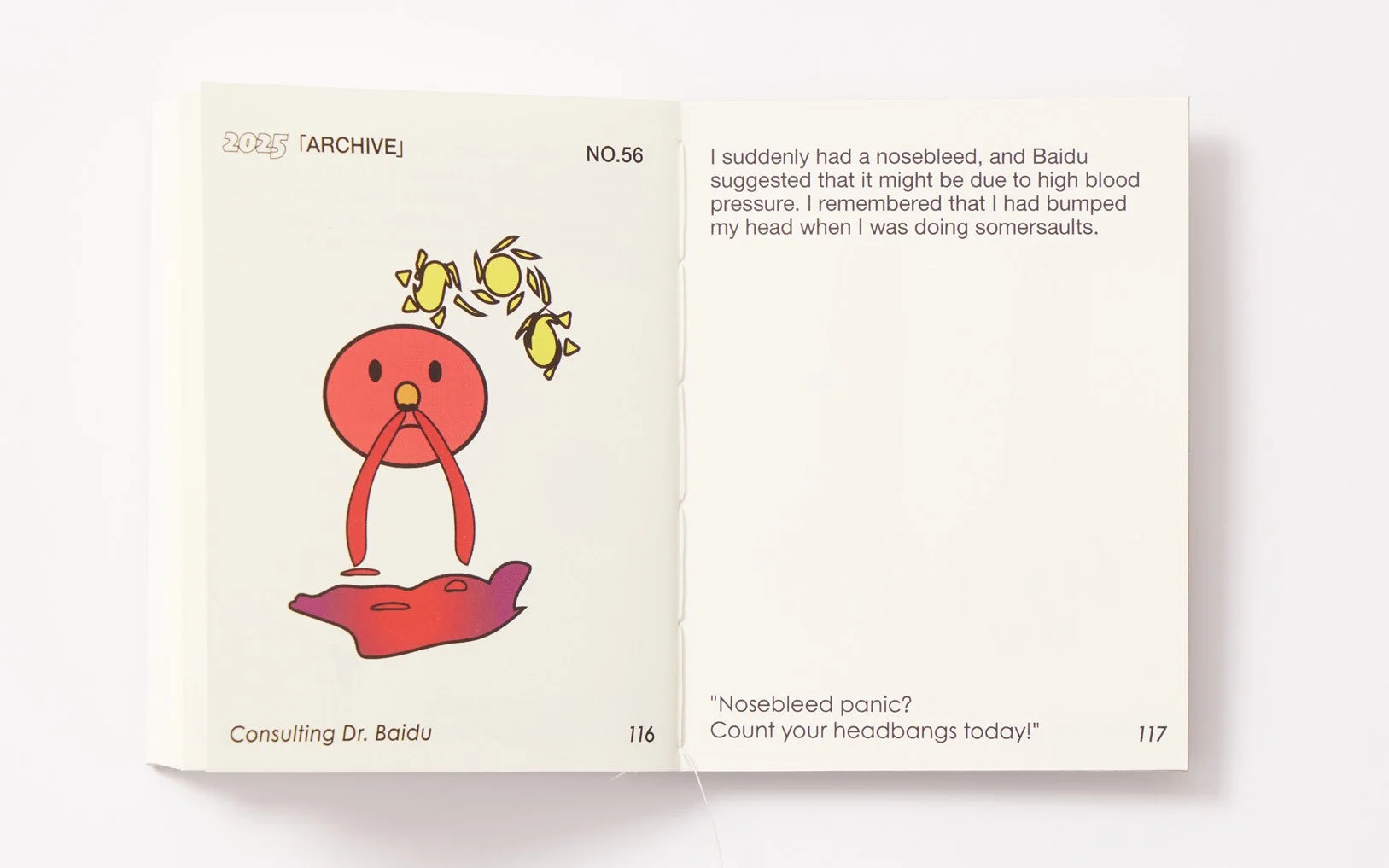
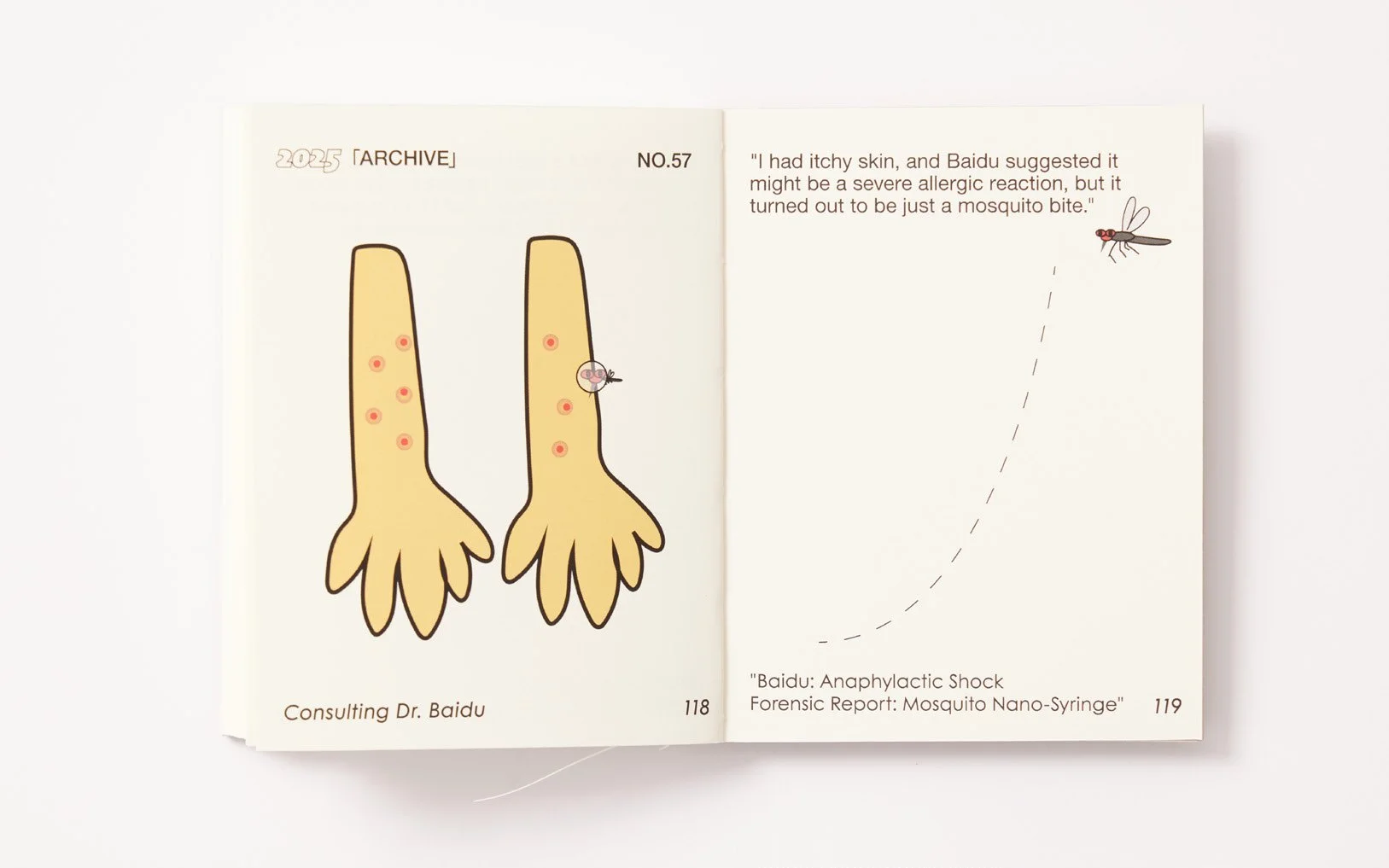
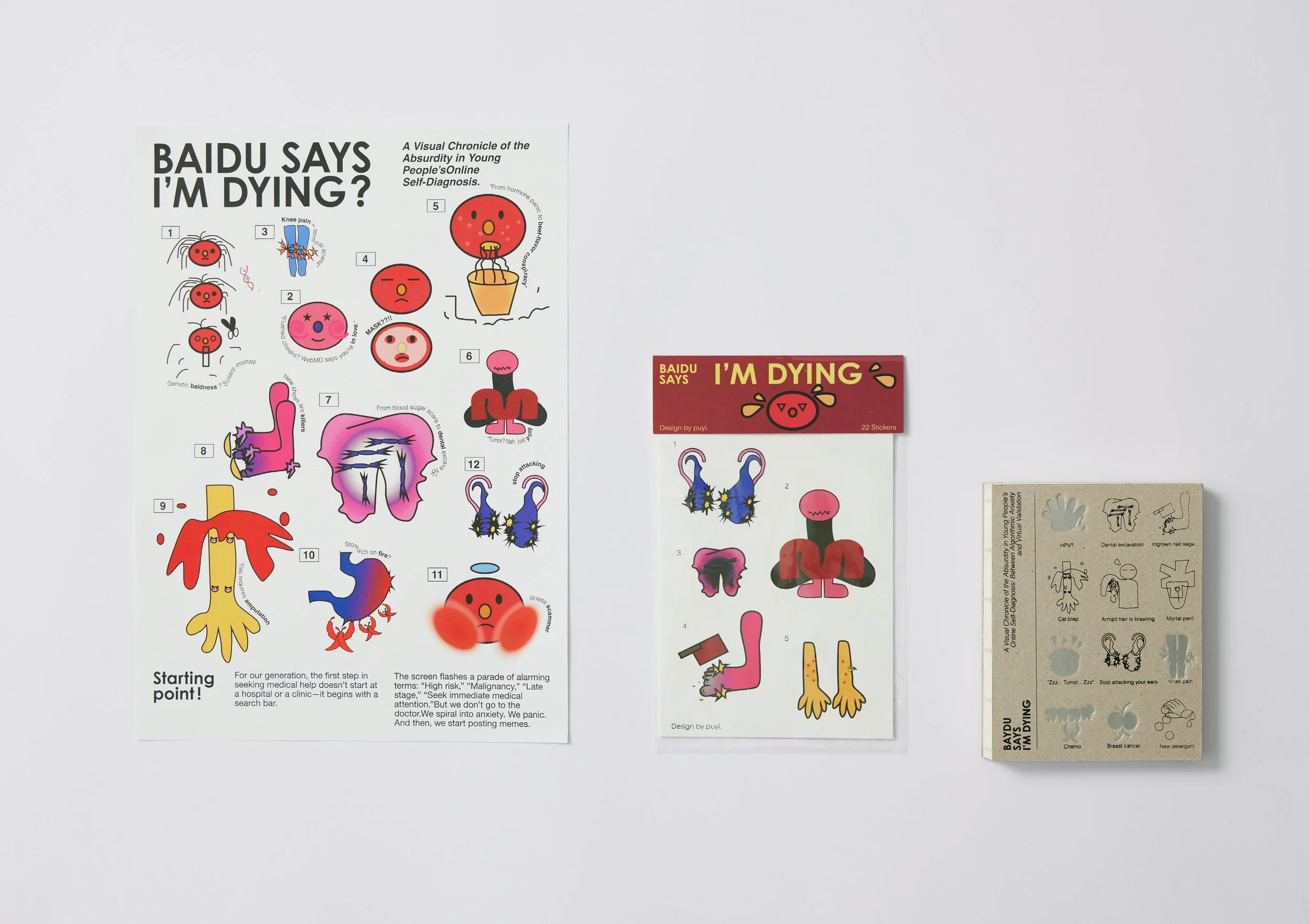
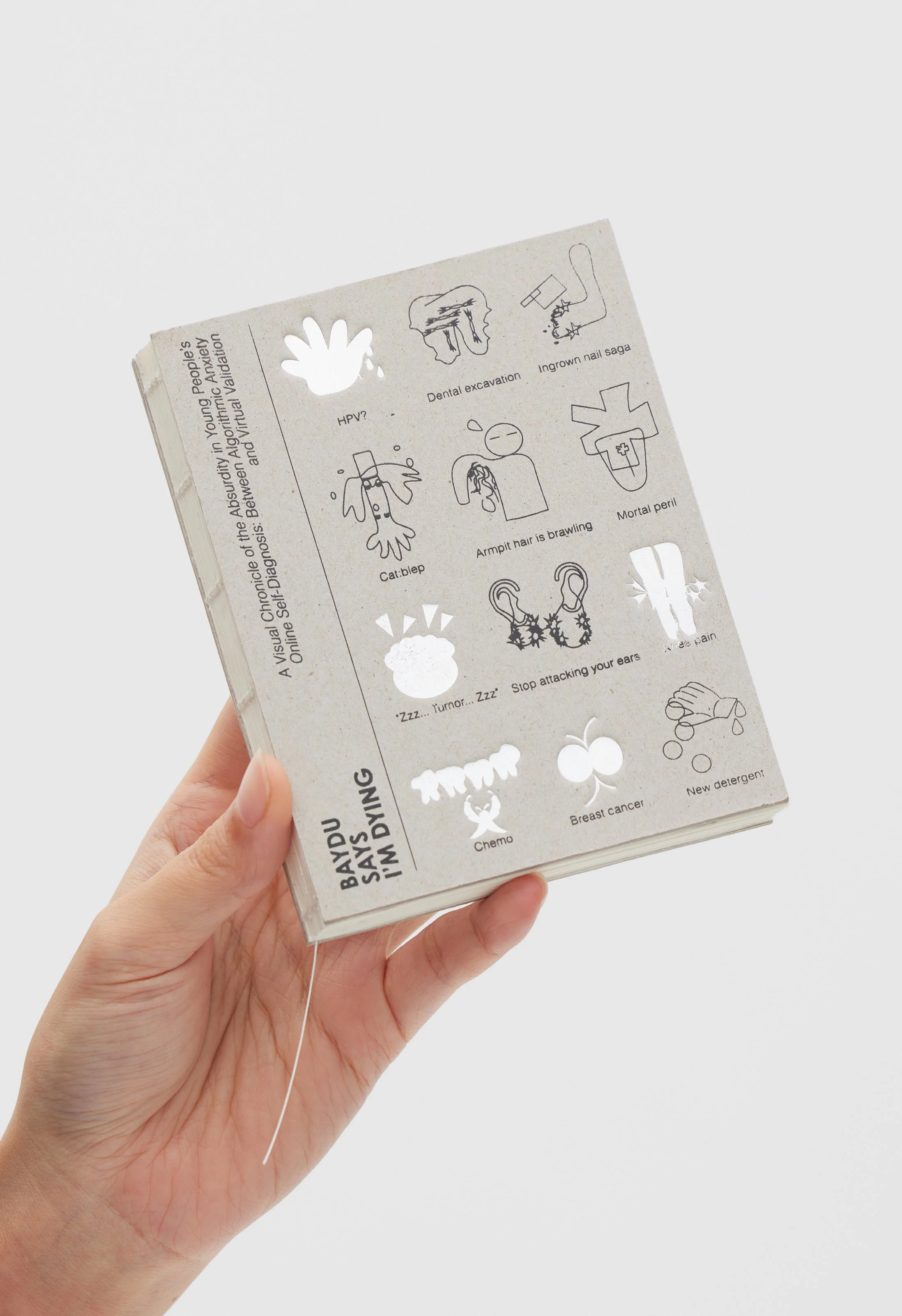
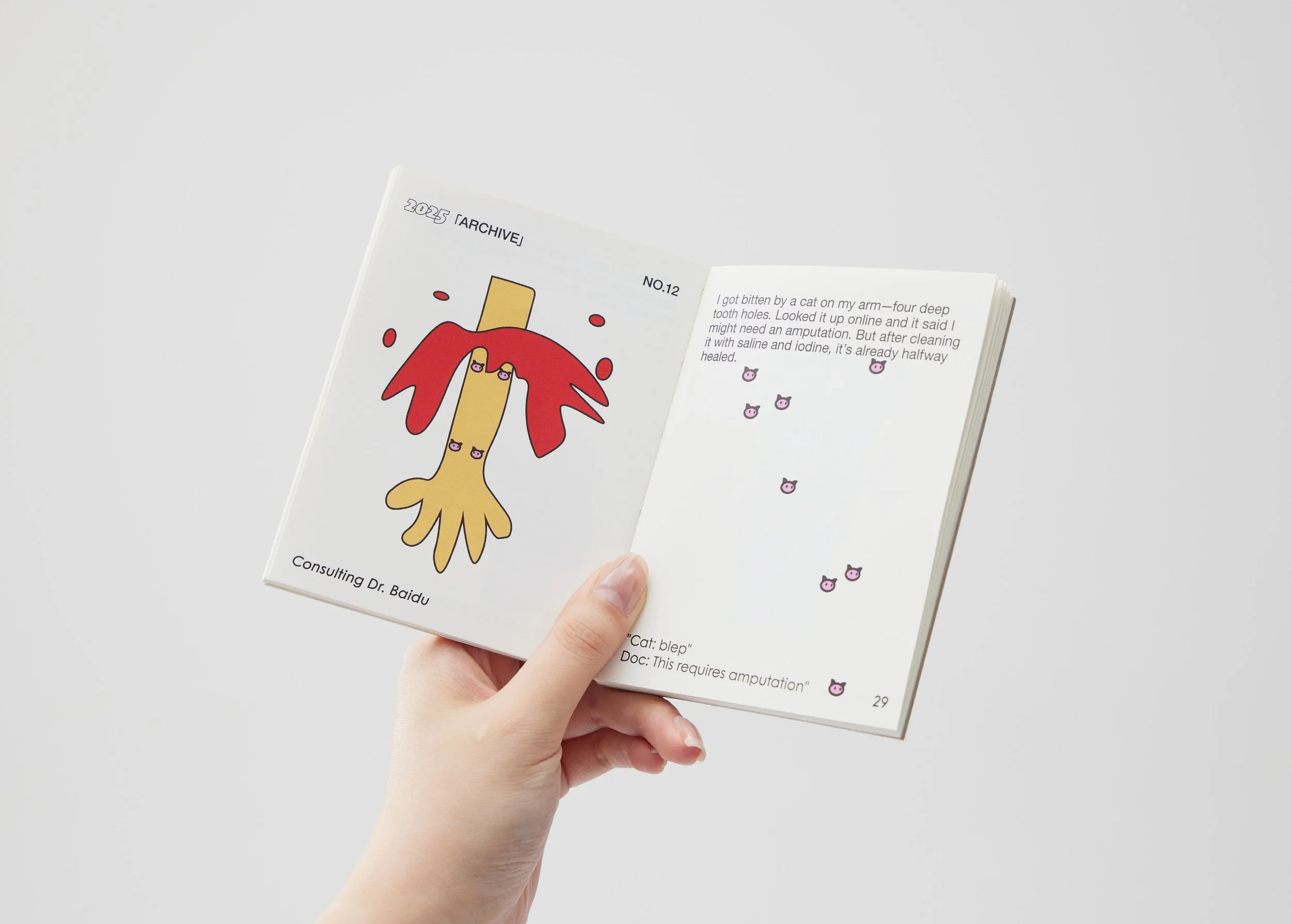
This project, presented as a visual documentary zine, captures and reconstructs the absurd journey of online self-diagnosis:from googling symptoms and panicking to misjudgments and self-deprecating humor.
It is both a satirical archive of how false medical informationfuels fear, and a critical reflection on the culture of digitalhealth anxiety.
INSPIRATION
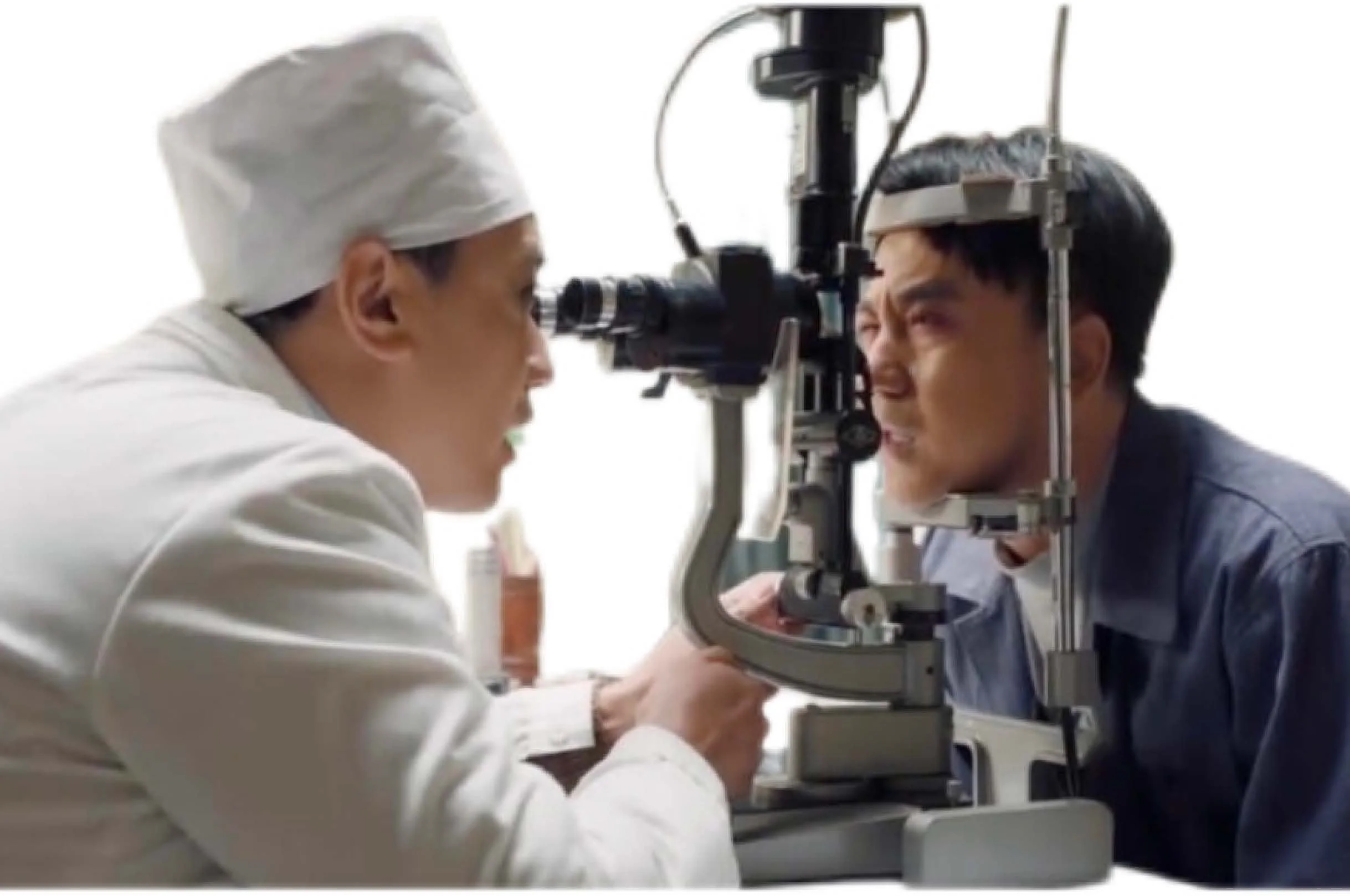
The inspiration for this project stems from my childhood experiences. As a child, l often had to go to the hospital toadjust my eyeglass prescription due to my nearsightedness.
During every check-up, the doctor would always tell me in a stem and impatient tone: "Your prescription has worsened again-this is serious." These words gradually built up into aninvisible pressure within me, fostering a long-lasting fear andavoidance of seeking medical care.
Even after l grew up, whenever l felt unwell, l would still instinctively dread going to the hospital-afraid of being criticized, of hearing harsh judgments, and of that feeling of being negated.
Key words
“MYOPIA SHAMING”
Child
CHILDHOOD TRAUMA
MEDICAL PHOBIA
COMMUNICATION BARRIER
AVOIDANCE BEHAVIOR
Formation and Internalization
Authoritative blame: Myopia is harshly attributed to parents, teachers, or doctors, making children feel it’s their own “fault” or “weakness.”
Peer ridicule: Insulting nicknames from classmates lead to feelings of inferiority.
Due to myopia-related shame, some avoid eye exams and refuse to wear glasses, leading to worsened vision, higher prescriptions, and fear of seeking medical help.
Adult
Conclusion
Concealment and Transformation
Wearing contact lenses and similar practices reflect efforts to meet aesthetic and professional norms, avoiding “image penalties.” Shame drives individuals to hide perceived flaws through consumption and behavior to minimize social risk.
Older
Overlap and Resignation
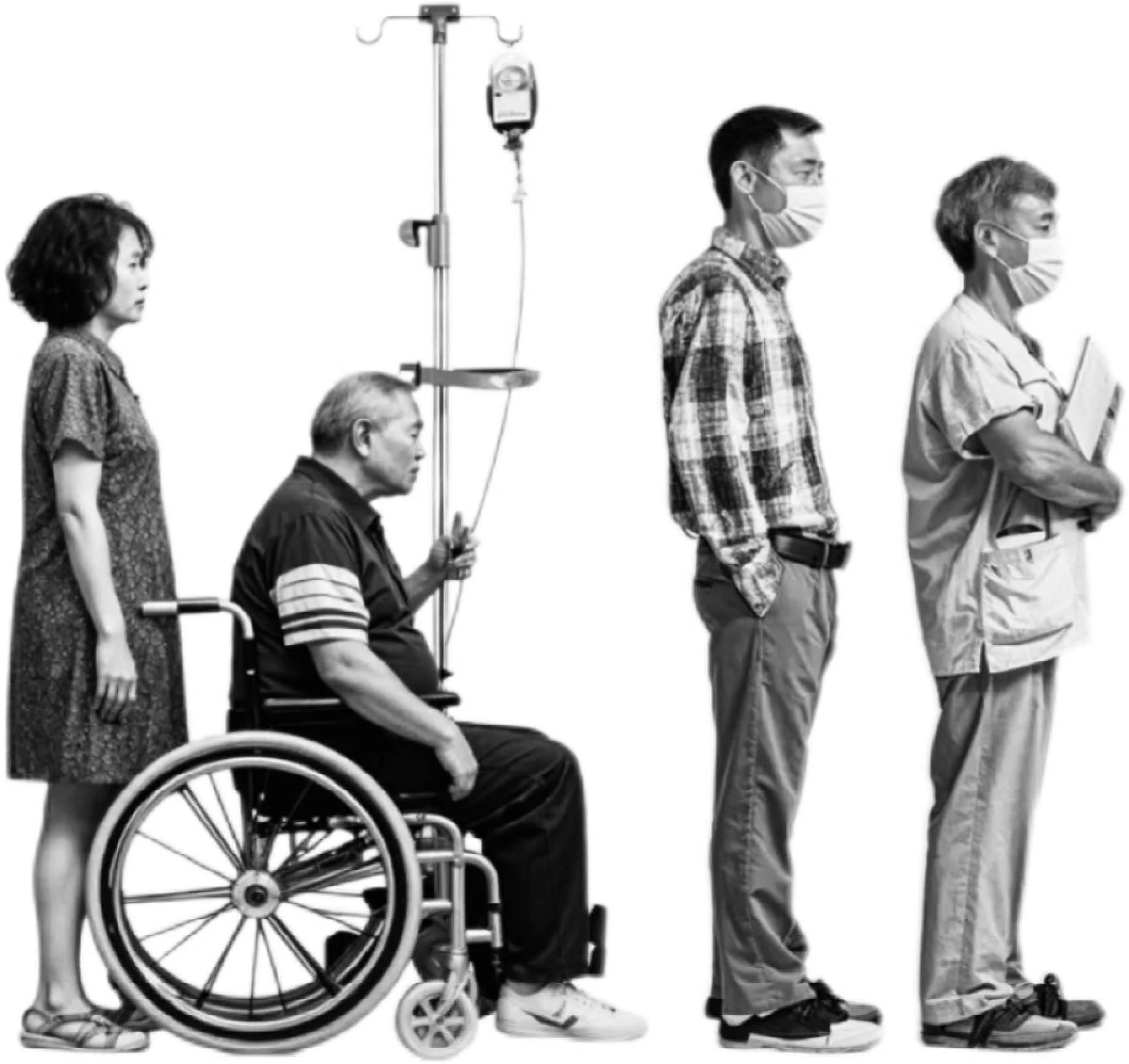
Emotional overlap: Shame mixes with aging-related decline and neglect, often expressed through silent helplessness and resignation.
BACKGROUND RESEARCH
1
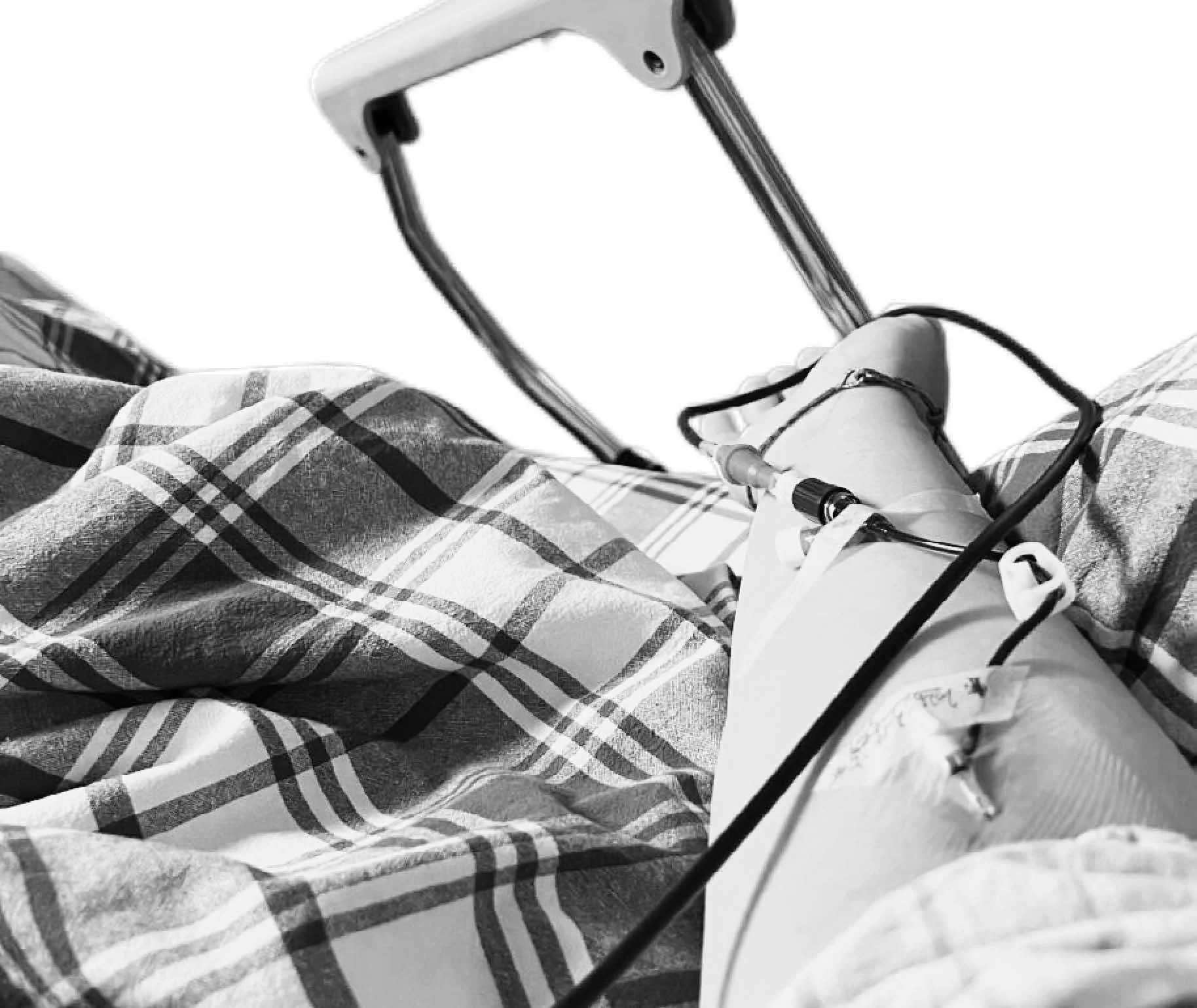
Afraid of intravenous infusion

3
02.Phenomenon of Contemporary Young People
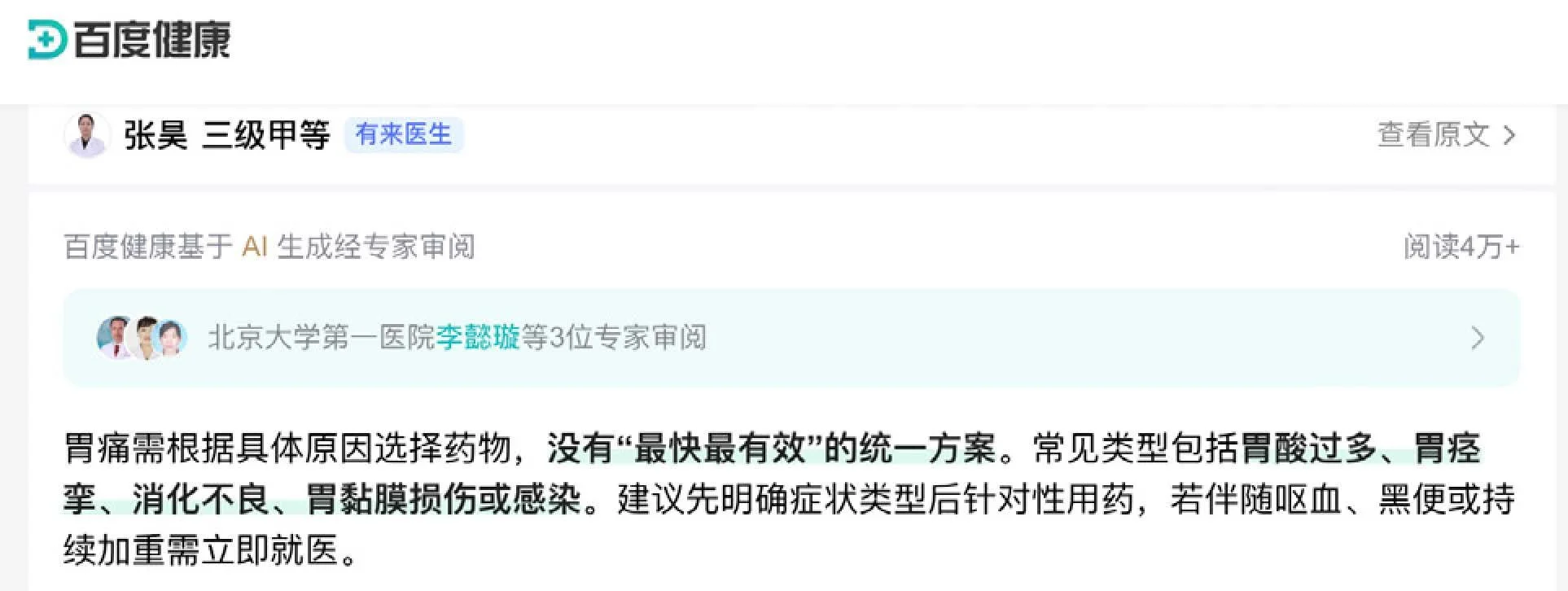
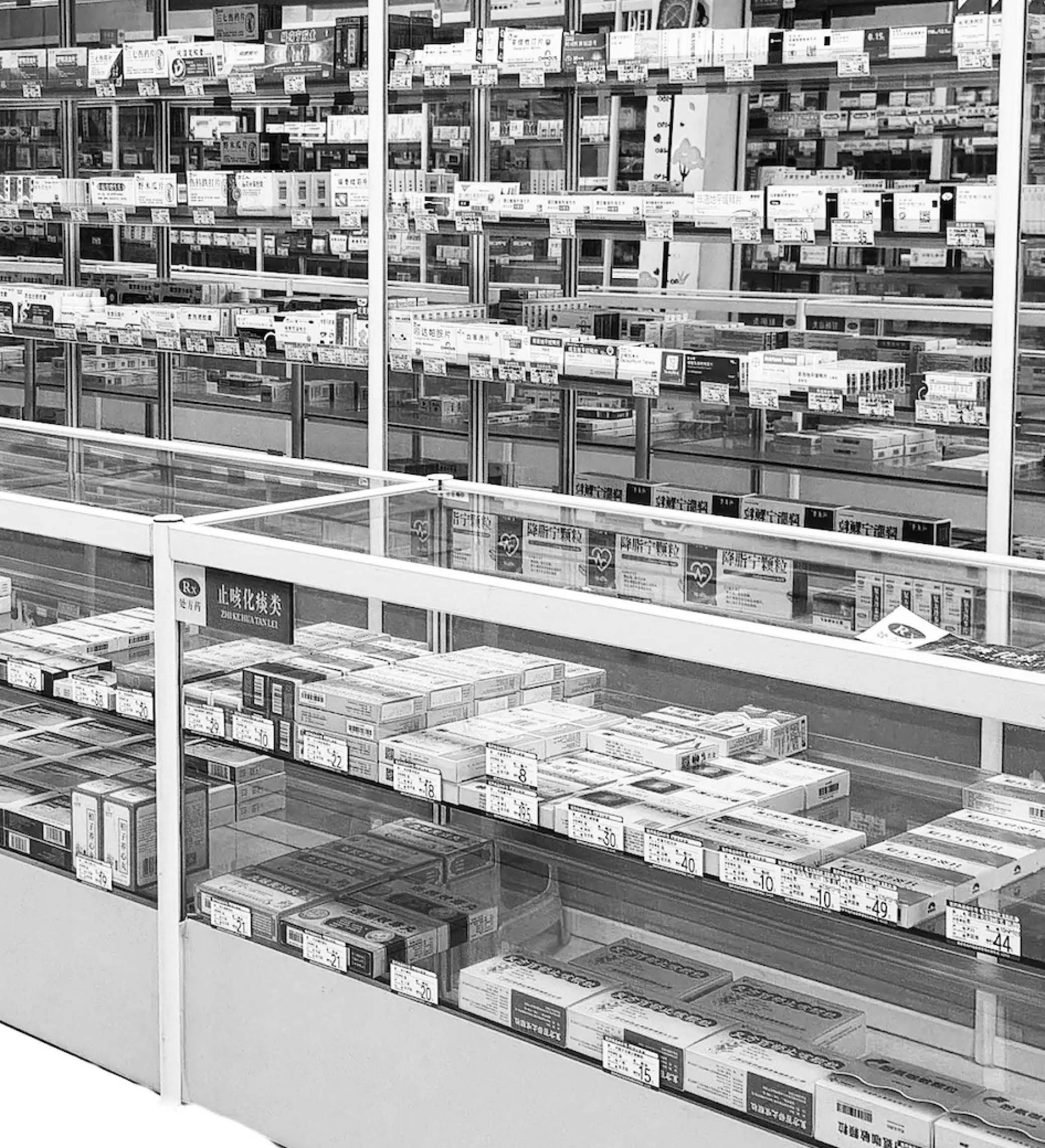
The reason why modern young people choose Baidu for medical treatment instead of hospitals is essentially driven by time costs, economic pressure, limited medical resources, and poor offline medical experience, which compromise the demands for immediacy and privacy.
STEP2-Result
STEP1—Define
Afraid to undergo an examination
Afraid of doctors making diagnoses
2
4
Afraid of 'no medicine to cure'
5
Conclusion
For our generation, medical help often begins not at a clinic, but with a search bar.
At the first discomfort, we turn to our phones. “Baidu-style self-diagnosis” reflects both healthcare barriers and digital convenience. In seconds, we’re hit with terms like “high risk” and “late stage.”
We don’t see a doctor—we panic, spiral, and joke to cope. Behind this is a broken system: inaccessible, cold, and inefficient. So we choose the internet—not out of trust, but lack of better options.
01.Analysis of Medical Avoidance in China
"Medical avoidance" is a prevalent socio-psychological phenomenon in China, characterized by delayed treatment due to fear of diagnosis, financial concerns, and negative perceptions of healthcare settings.
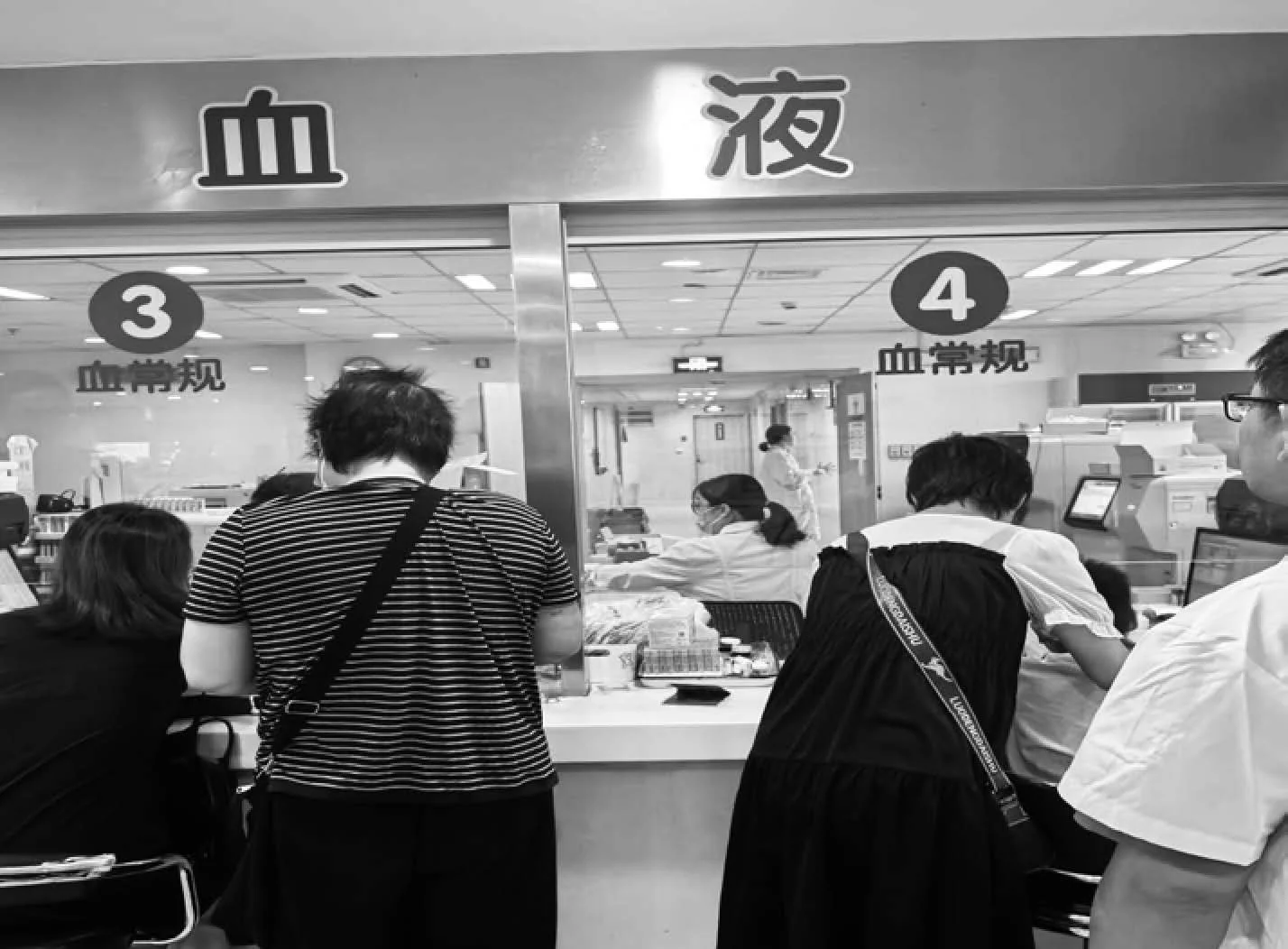
Afraid of queuing up
2.INSTALLATION MAKING
STEP1 RESEARCHING
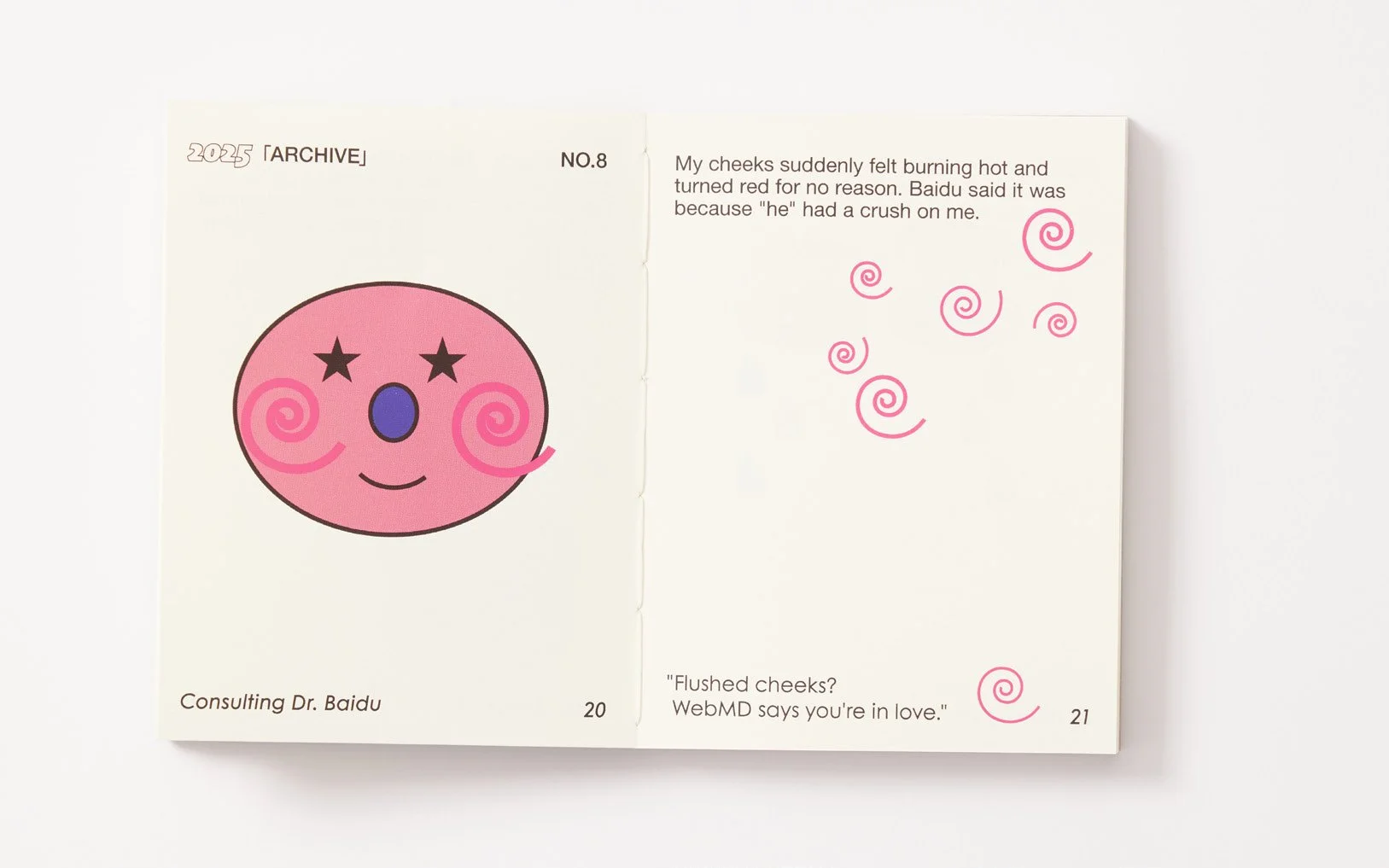
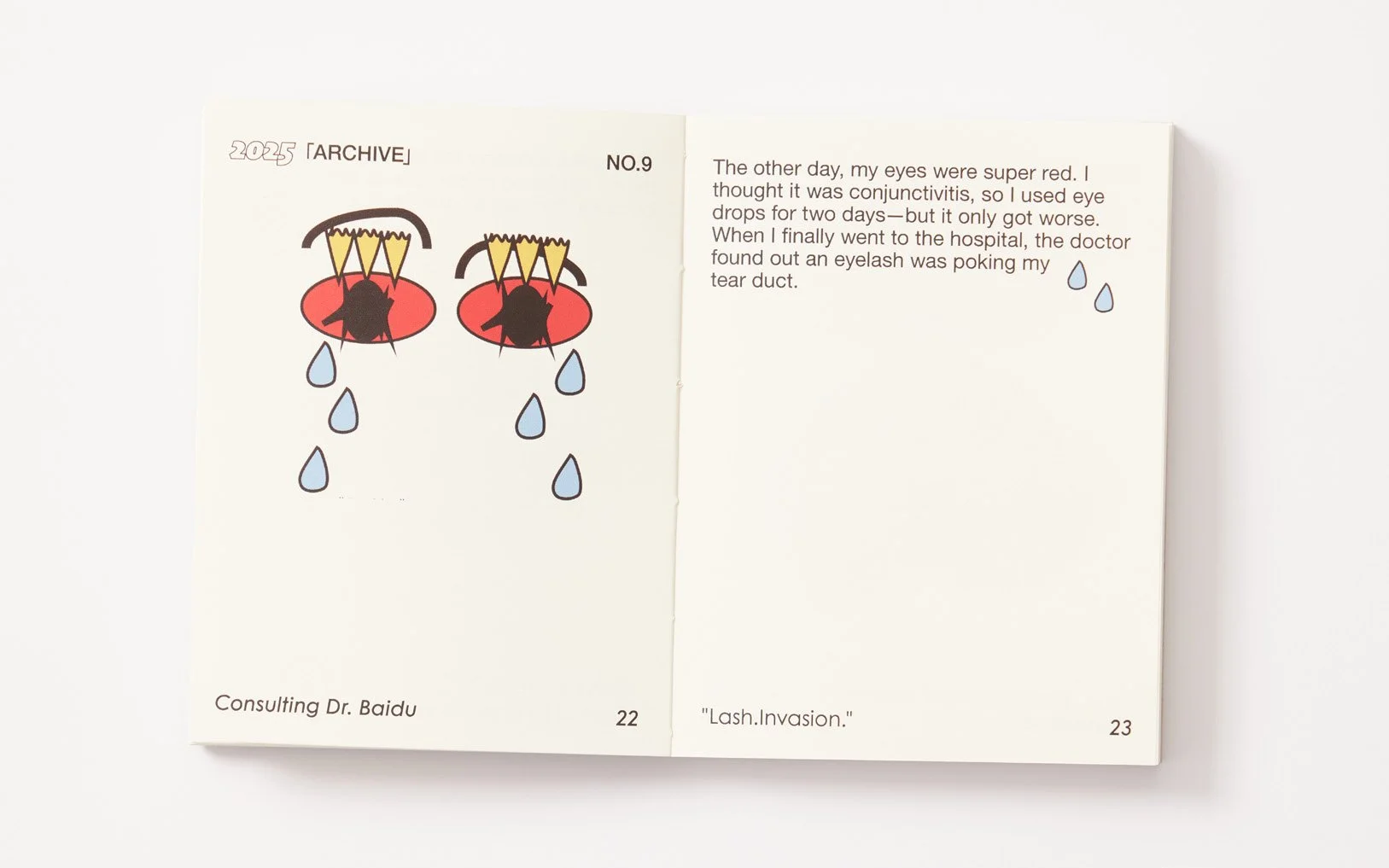
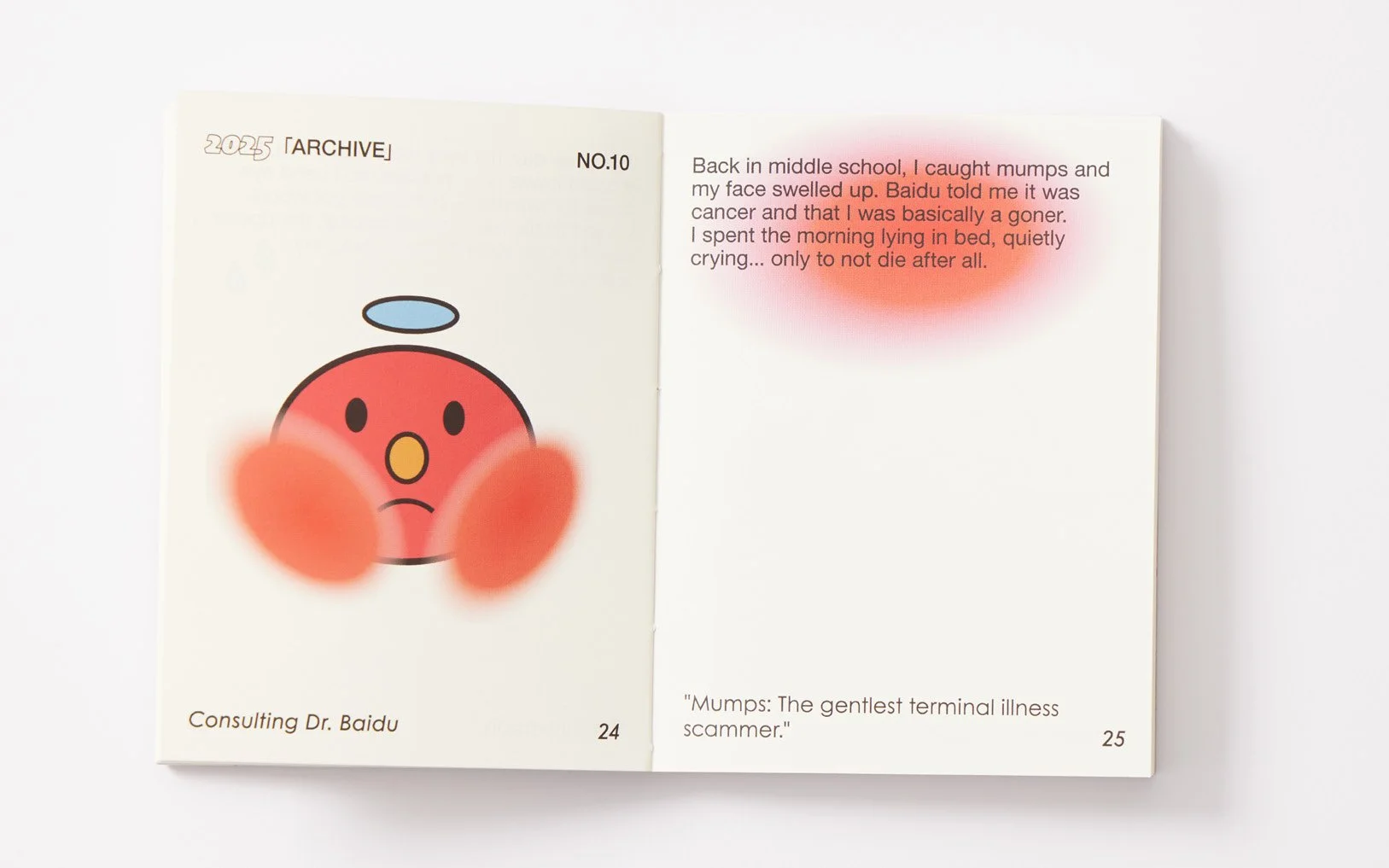
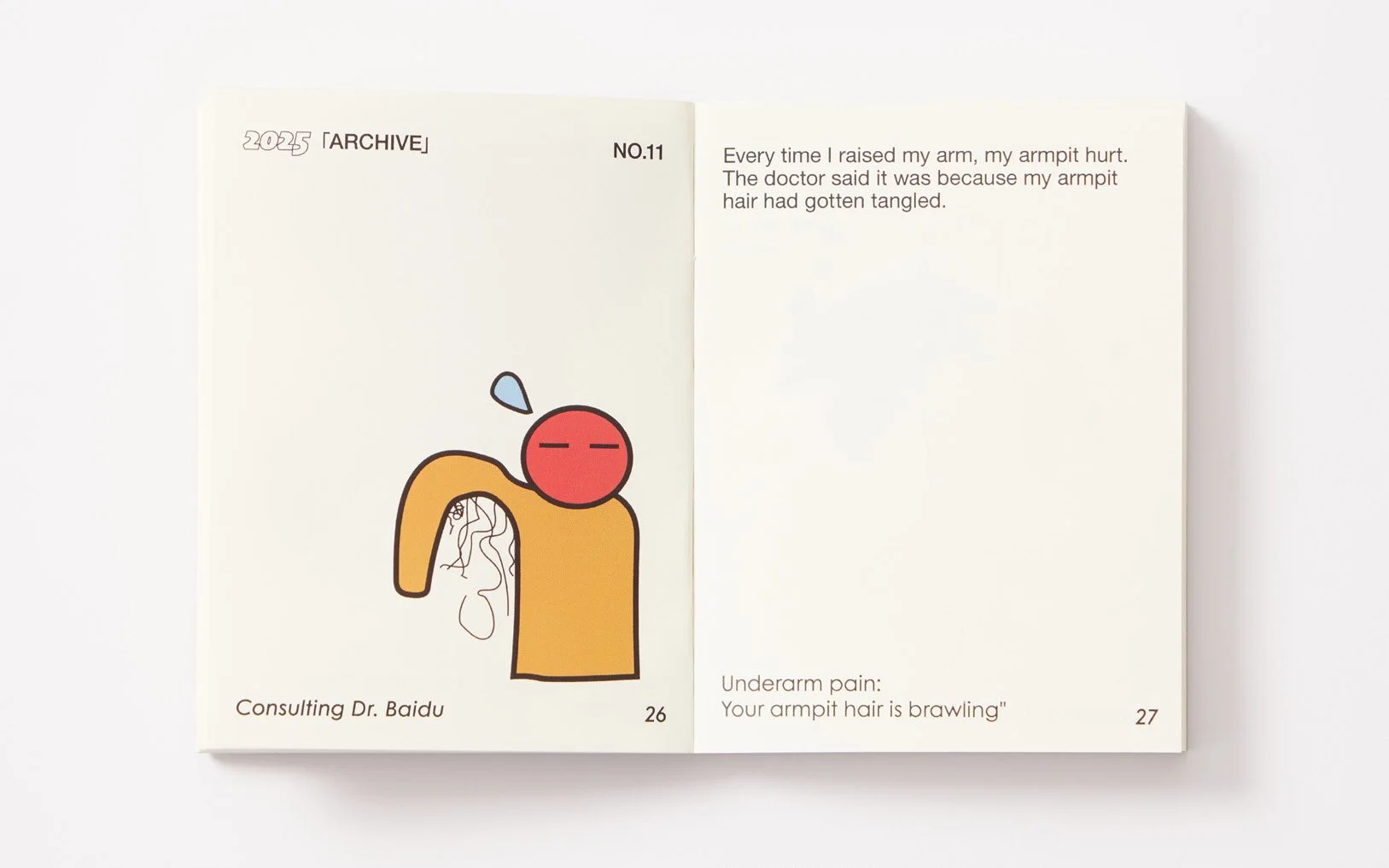
I have collected many black humor jokes about "Baidu Medical". After sharing their personal experiences online,
I have collected and organized 60 different stories.
STEP2 COLLECTING
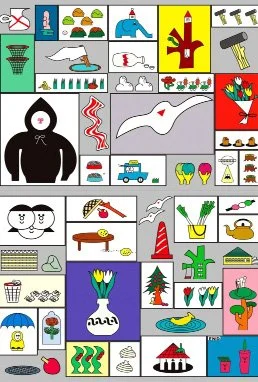
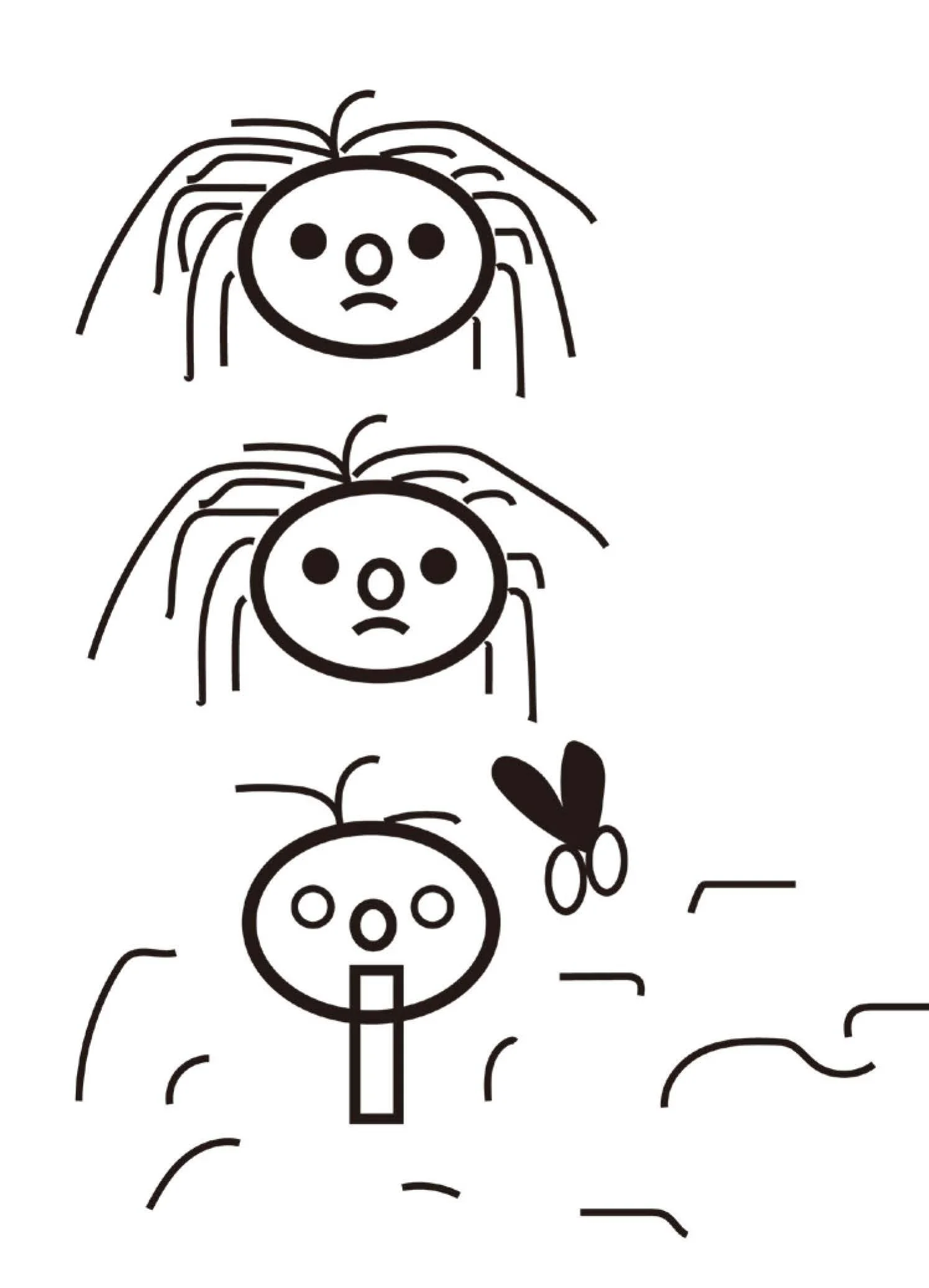
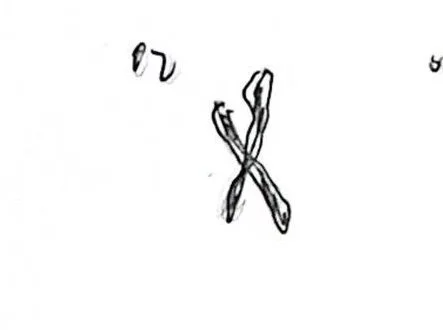
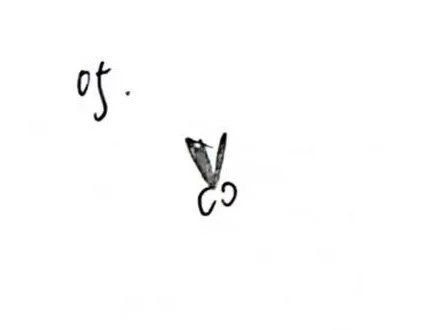
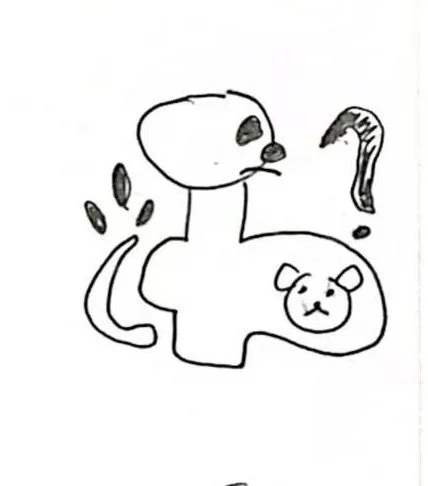
Then, I distilled each paragraph into core keywords and transformed them into a visual representation.
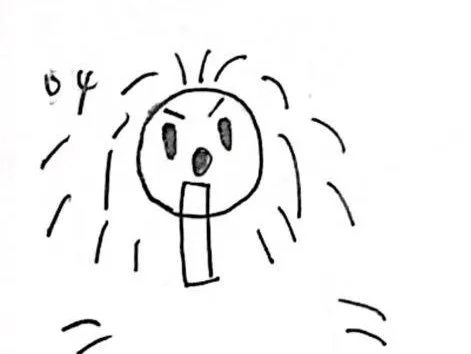
Haircut
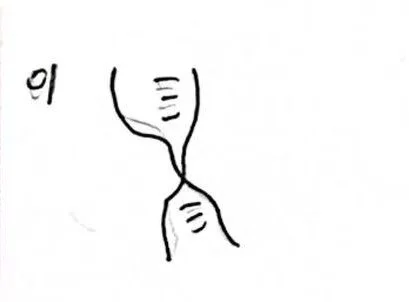
Genes
Surprise
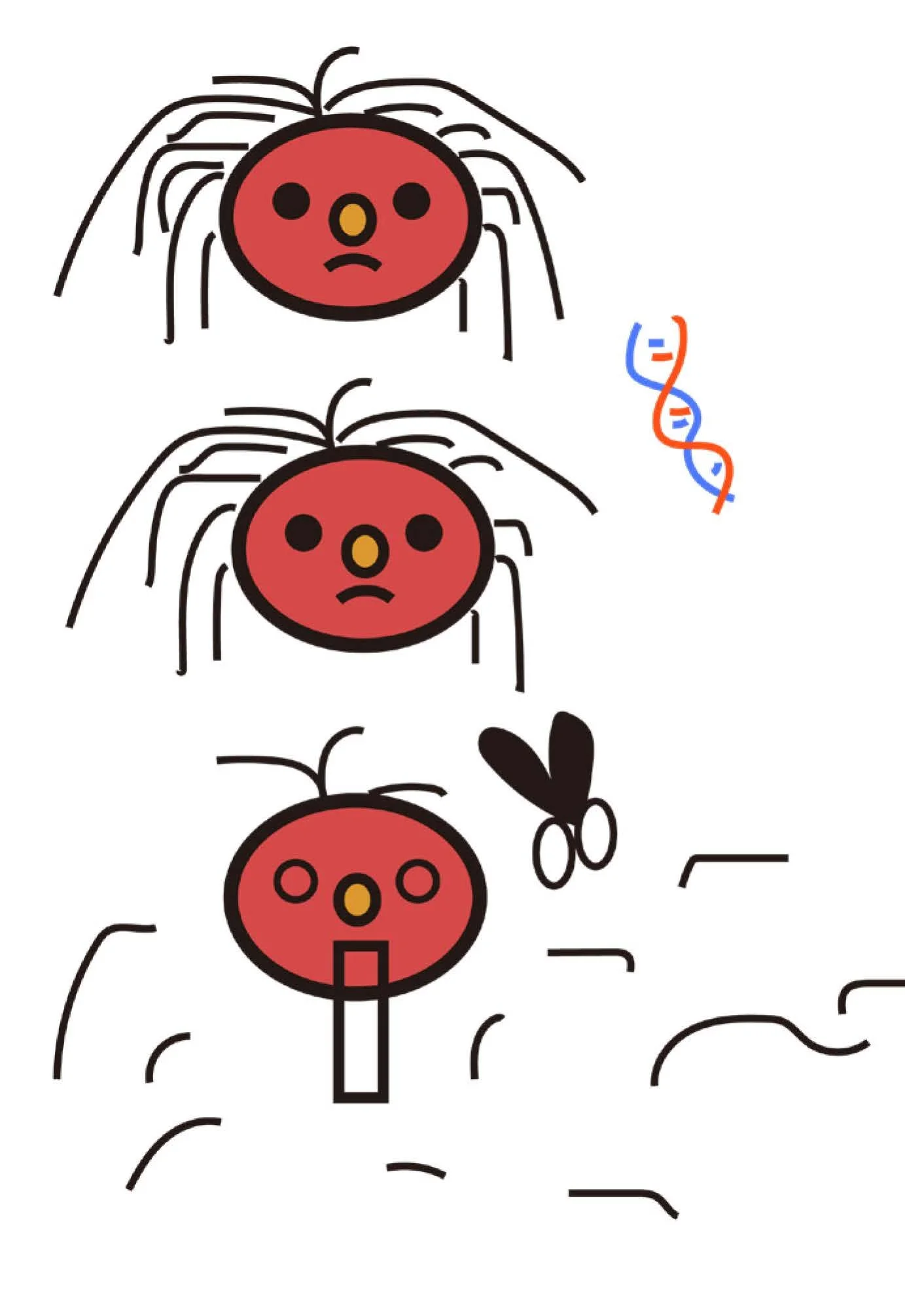
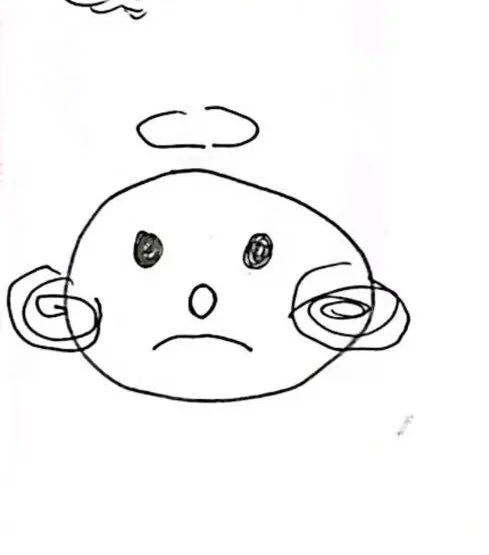
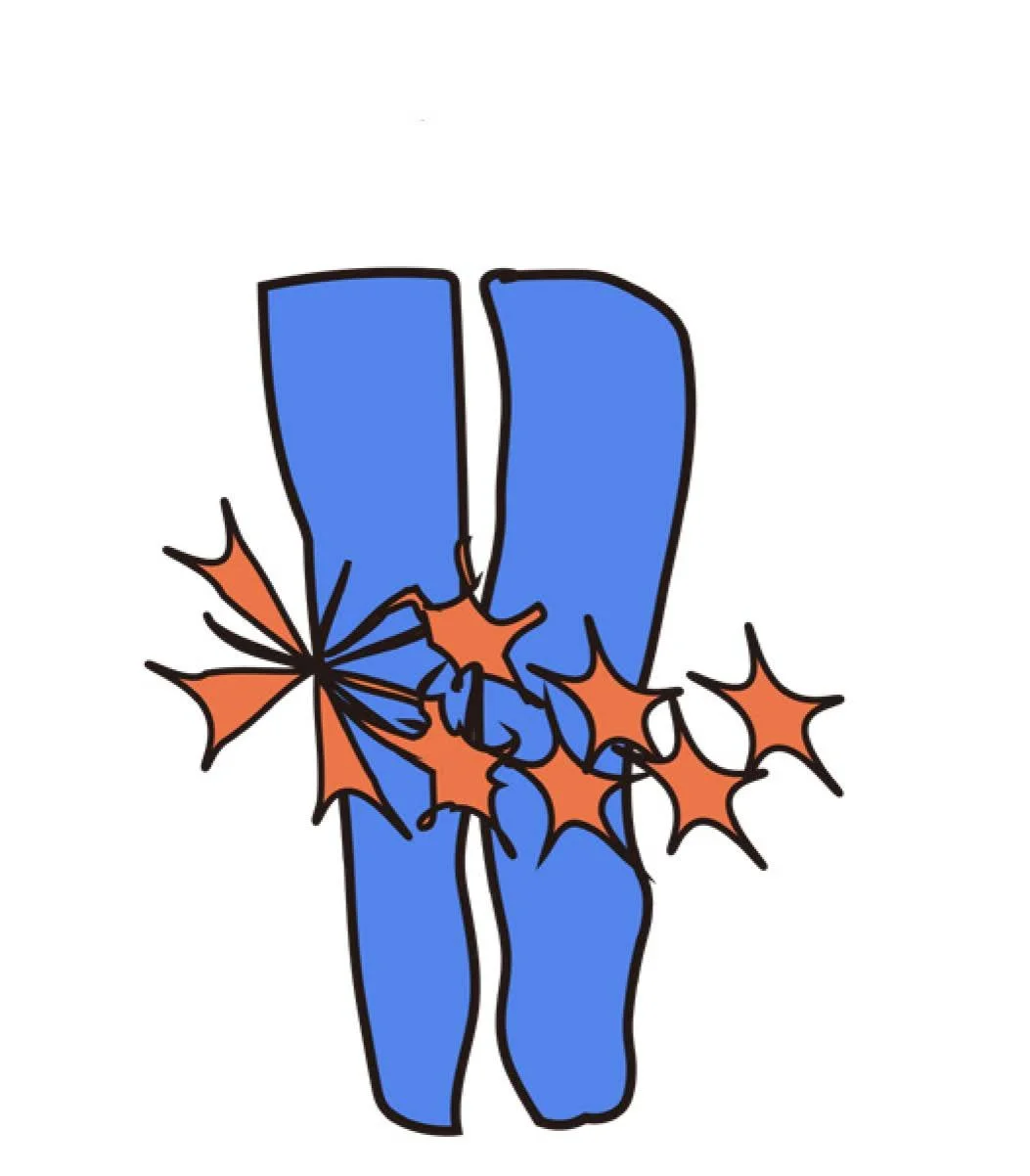
Finally, integrate them based on the condensed text and visualize them into a complete picture.
FIRE GUIDE AO SUN
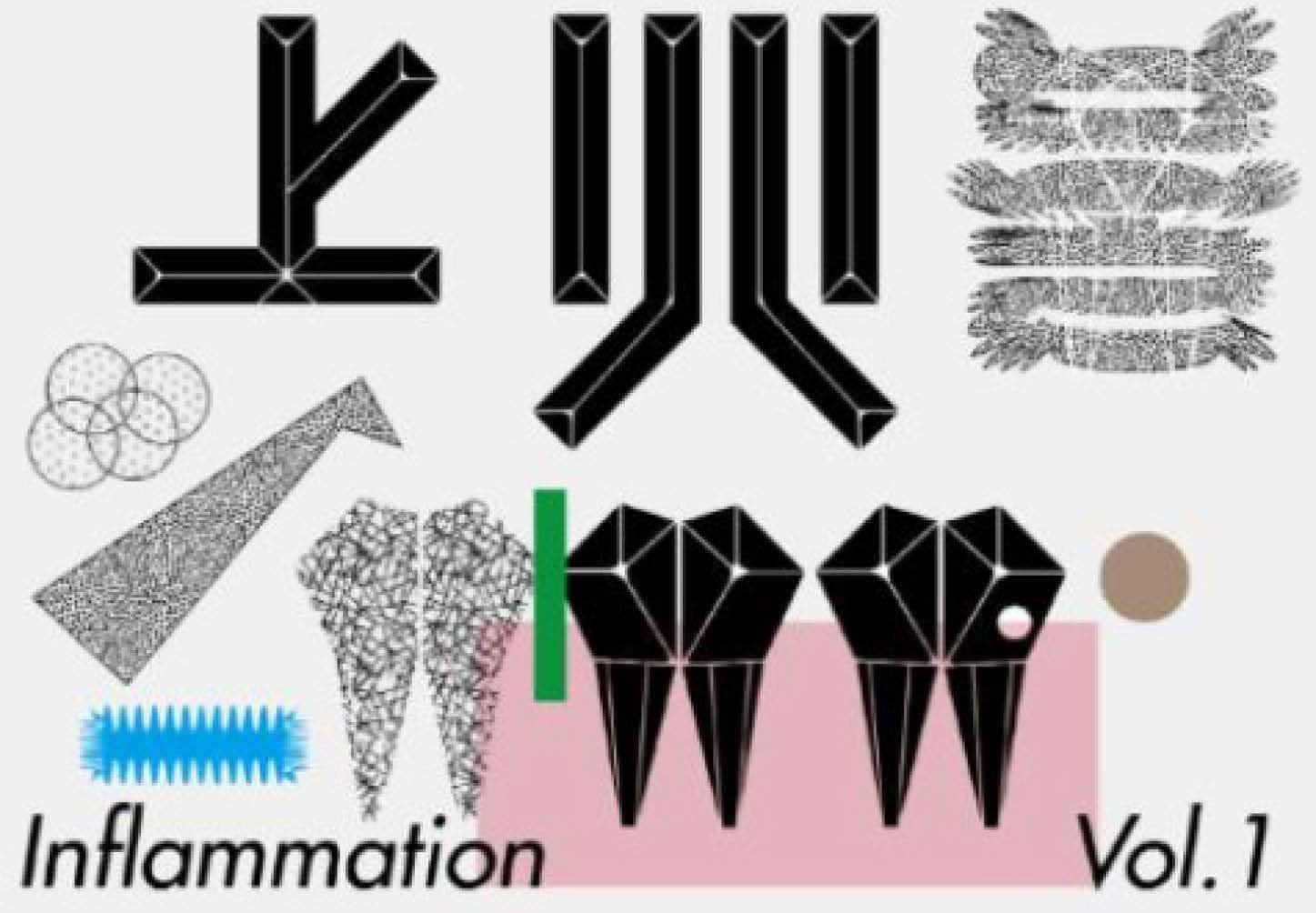
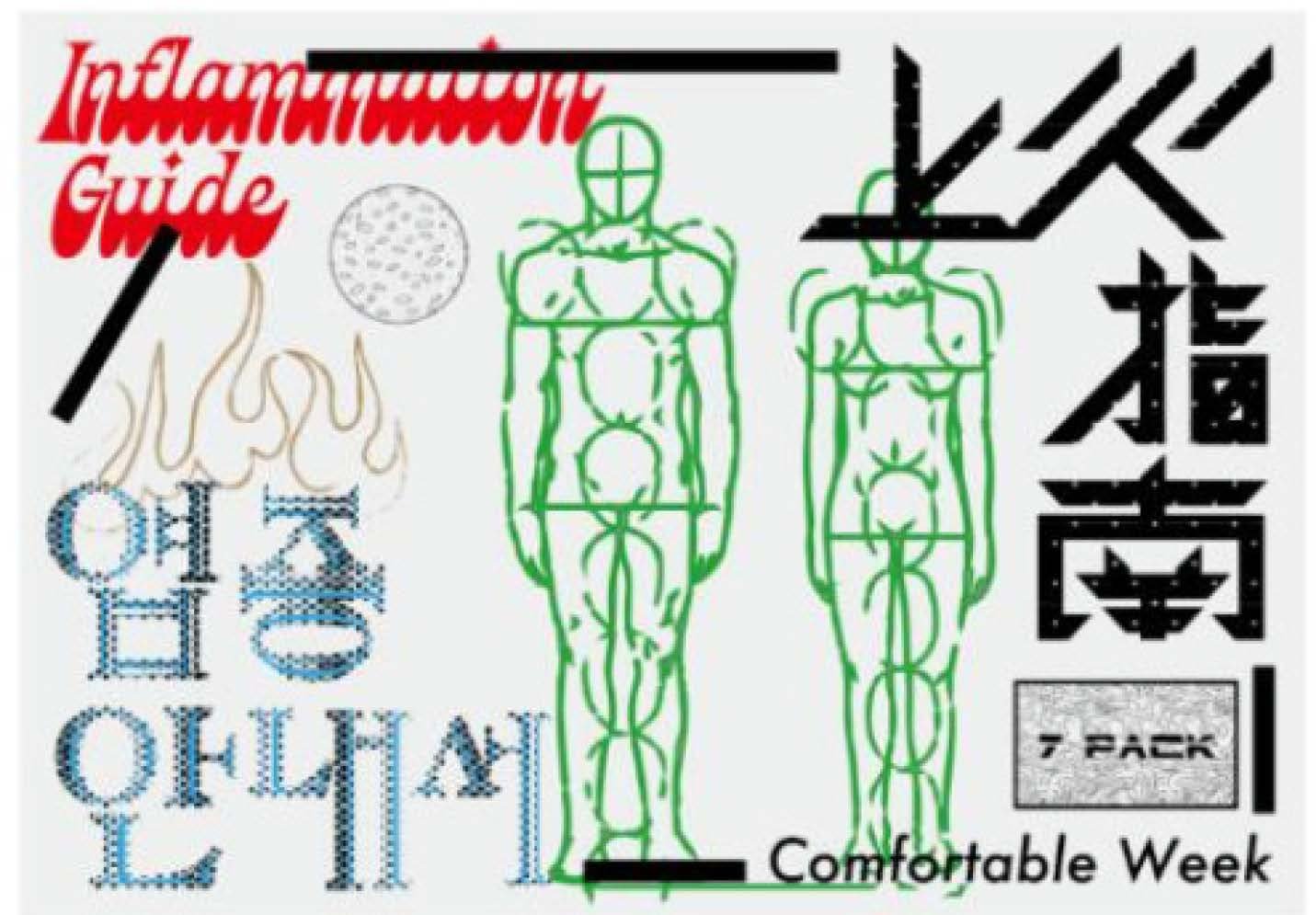
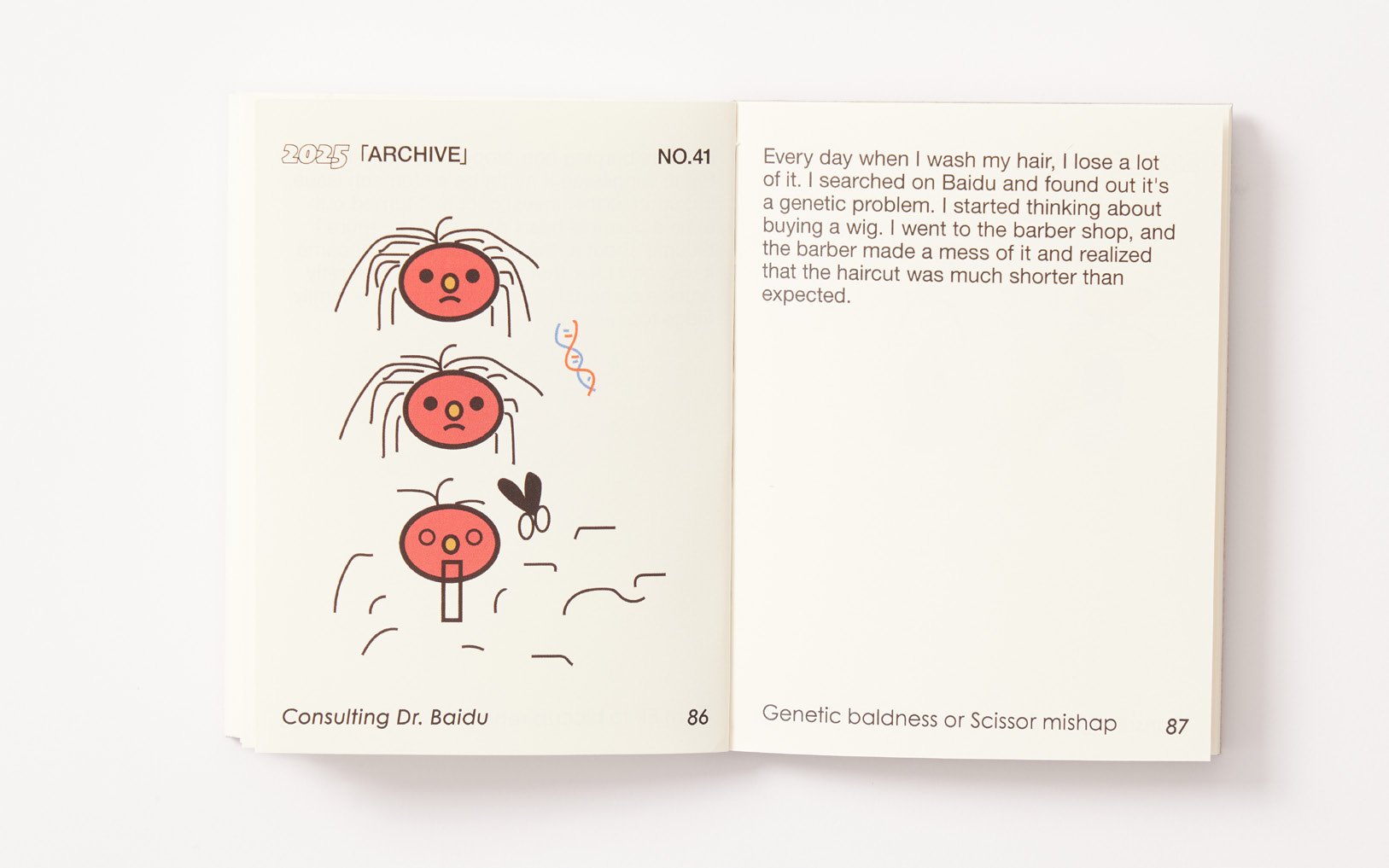
Hair loss:
I lose a lot of hair every day after washing it, and when I checked on Baidu, it was said to be a genetic problem, so I started thinking about buying a wig.
I went to a hair salon and the barber suddenly realized that the haircut was much shorter than expected
This story is about how a lot of hair falls out every day after washing, and when I searched on Baidu, it was said to be a genetic problem, but the result was that the barber cut it too short.
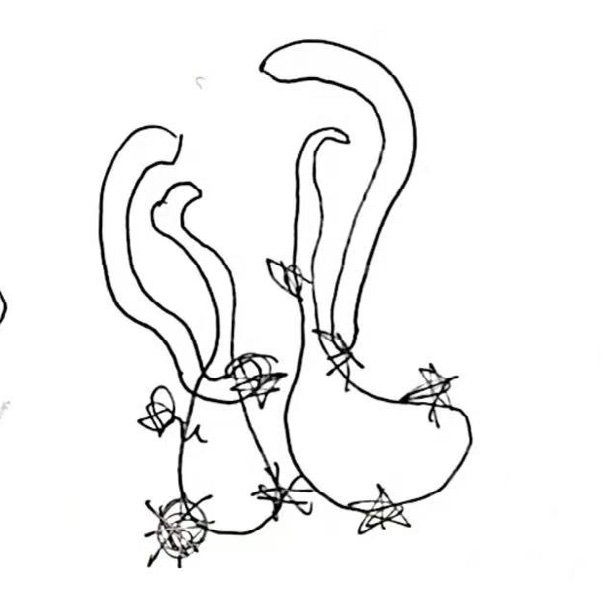
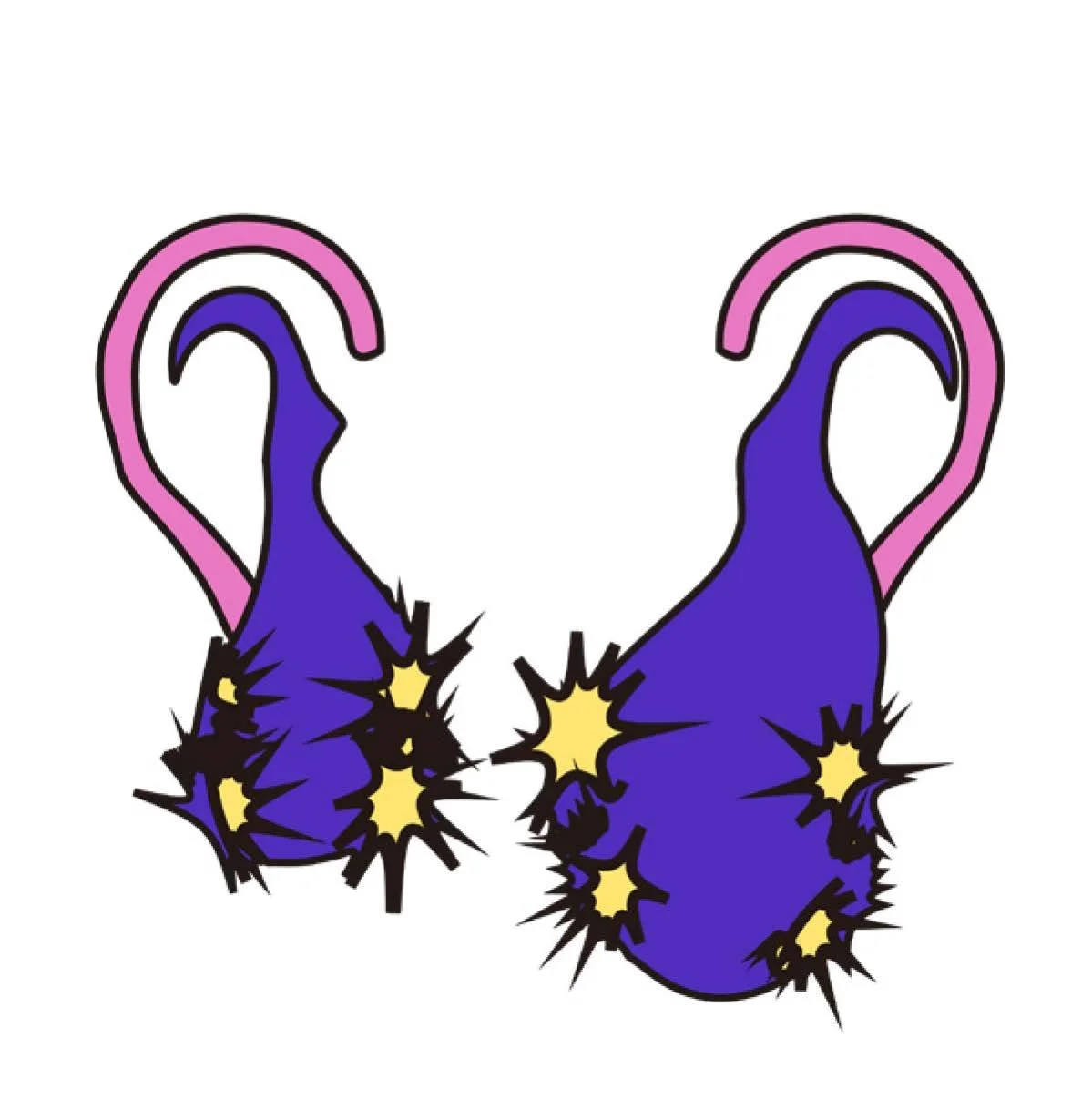
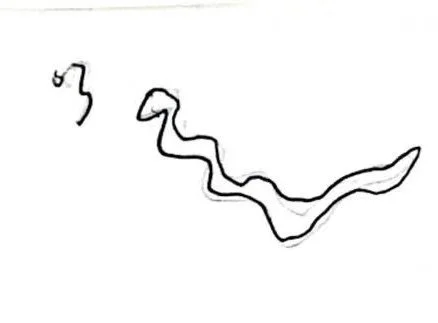
So I chose three keywords for visualization: "genes," "haircut," and "surprise" .
STEP3 VISUALISING
→
OUTCOME
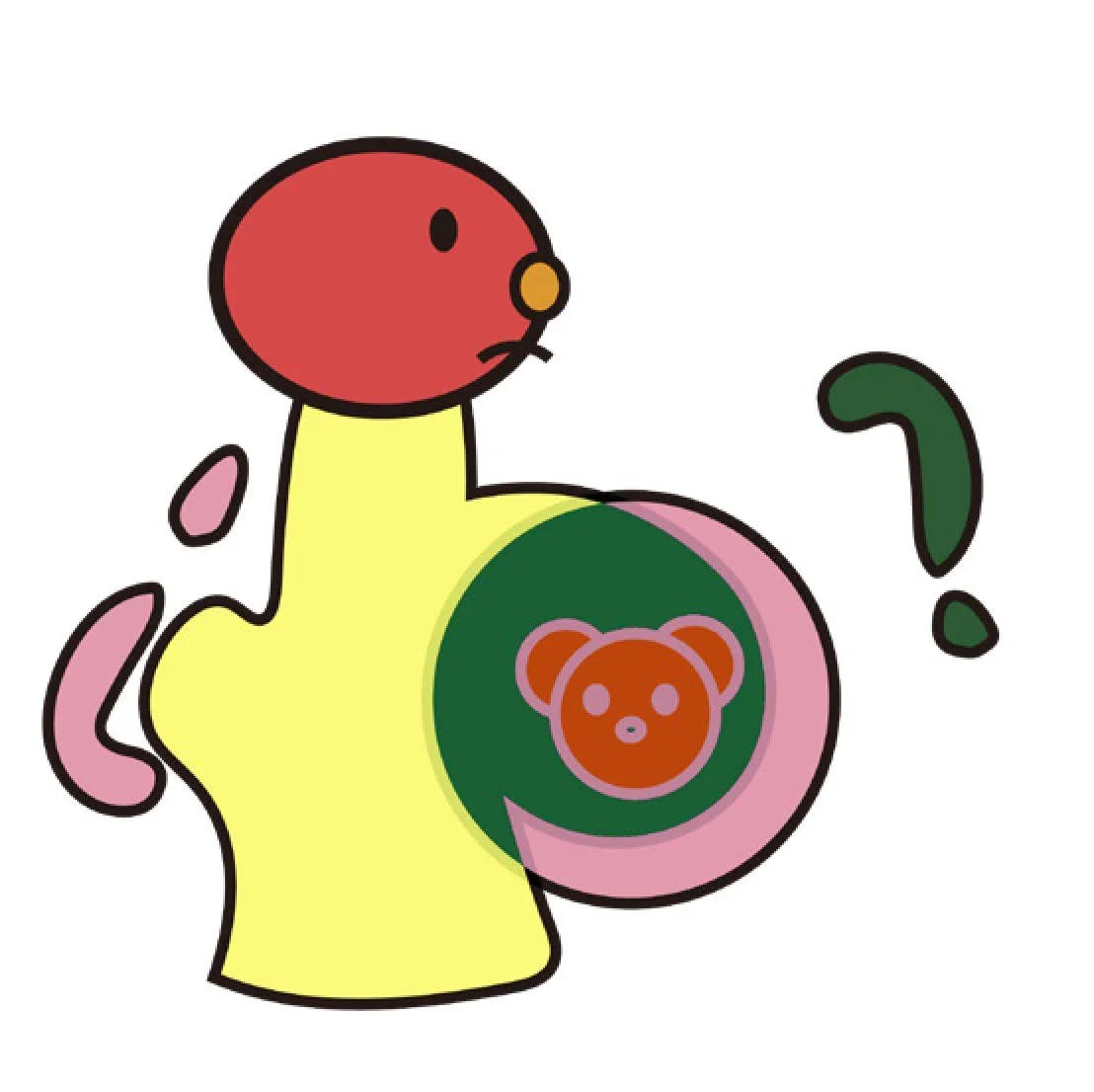
VISUAL TEST
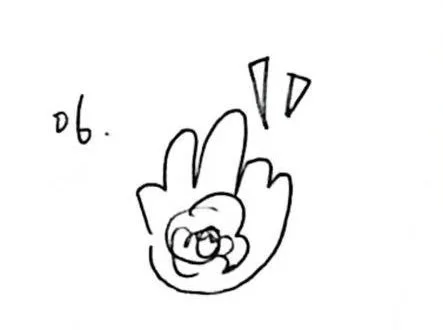
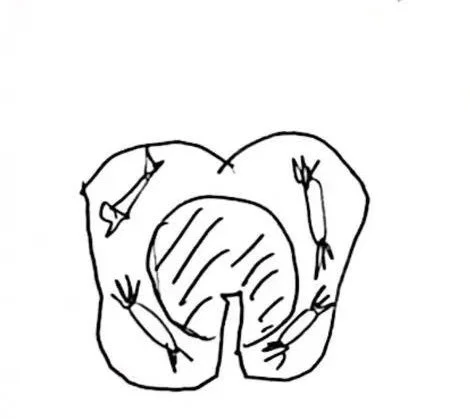
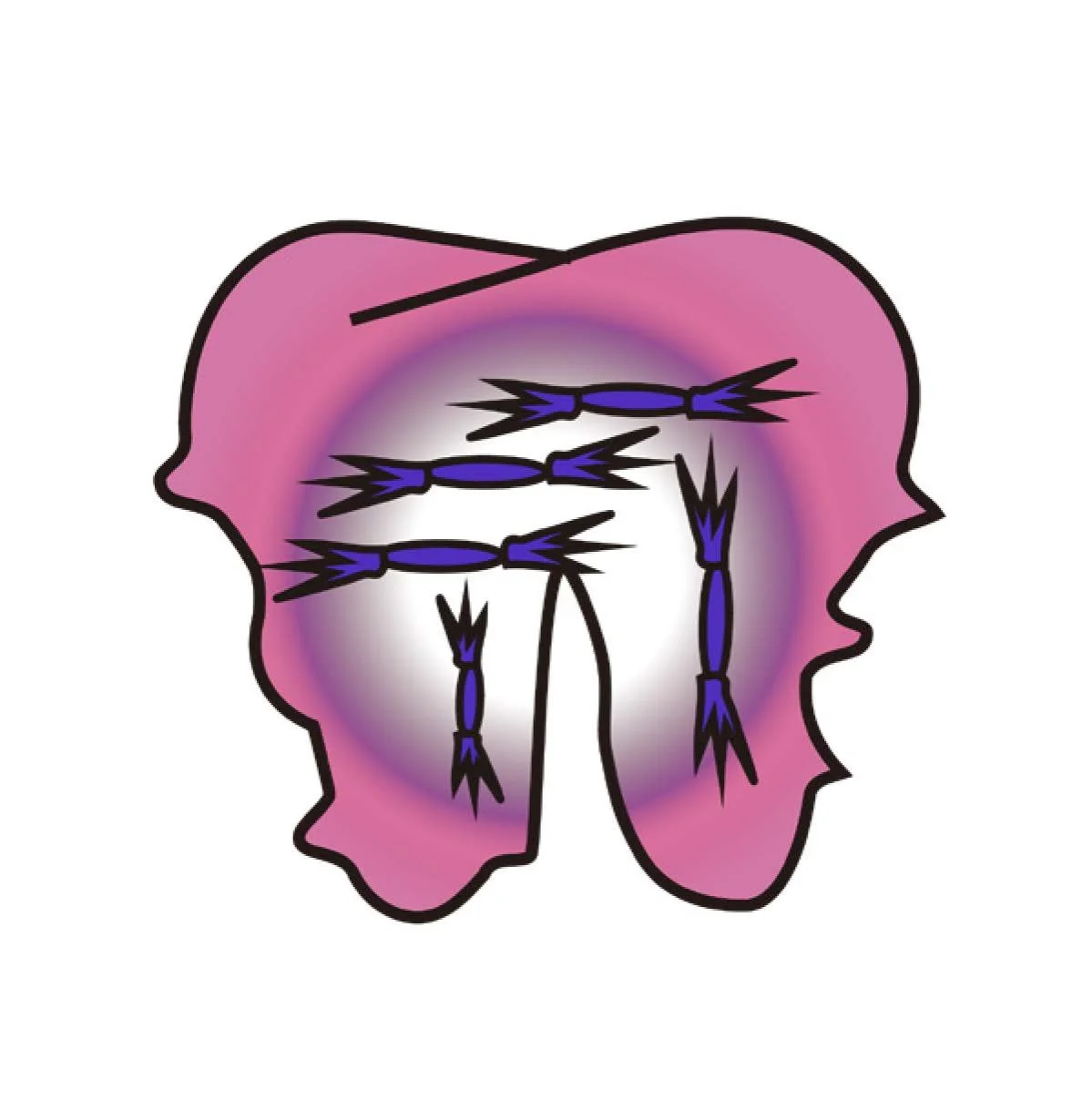
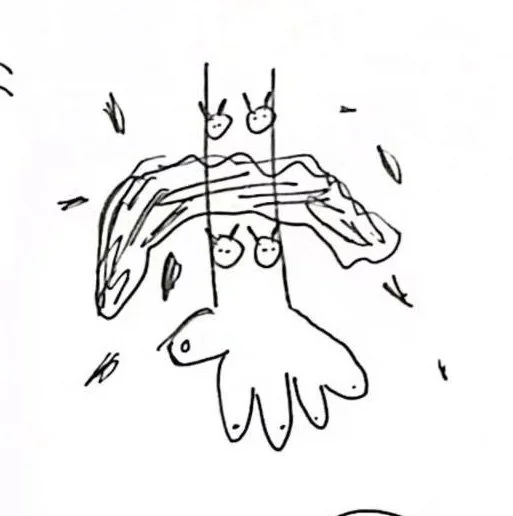
The author attempts to counter the homogenized style of current graphic design by using tilted, exaggerated, and rough multilingual typography, giving readers a dual visual and sensory experience.
TOMOMI NISHIKAWA
Vibrant Color Palettes: She excels in using highly saturated colors. These vivid and intense hues are visually striking and instantly capture the viewer's attention.
Minimal Geometric Composition: Her designs often incorporate clean geometric shapes. Through the skillful arrangement of these basic forms, she creates visually distinctive works.
VISUAL EXPERIMENT
Click the arrow to view more