FAITH FRAGMENT
What
This project delves into the profound yet often vague role of faith in Chinese society, examining how different generations perceive and practice belief, as well as the objects that carry symbolic meaning within these traditions.
How
To visually and spatially express this concept, I created two site-specific installations and placed them unpredictably in urban environments, allowing the works to emerge naturally within the daily lives of city residents. This approach aims to create moments of unexpected encounter and reflection. Furthermore, I developed a mini-program that offers detailed descriptions and exhibition schedules, enabling the audience to gain a deeper understanding of the works and interact with them beyond the physical space. Through this combination of tangible installations and digital engagement, the project bridges traditional faith symbols with contemporary modes of communication and experience.
BACKGROUND
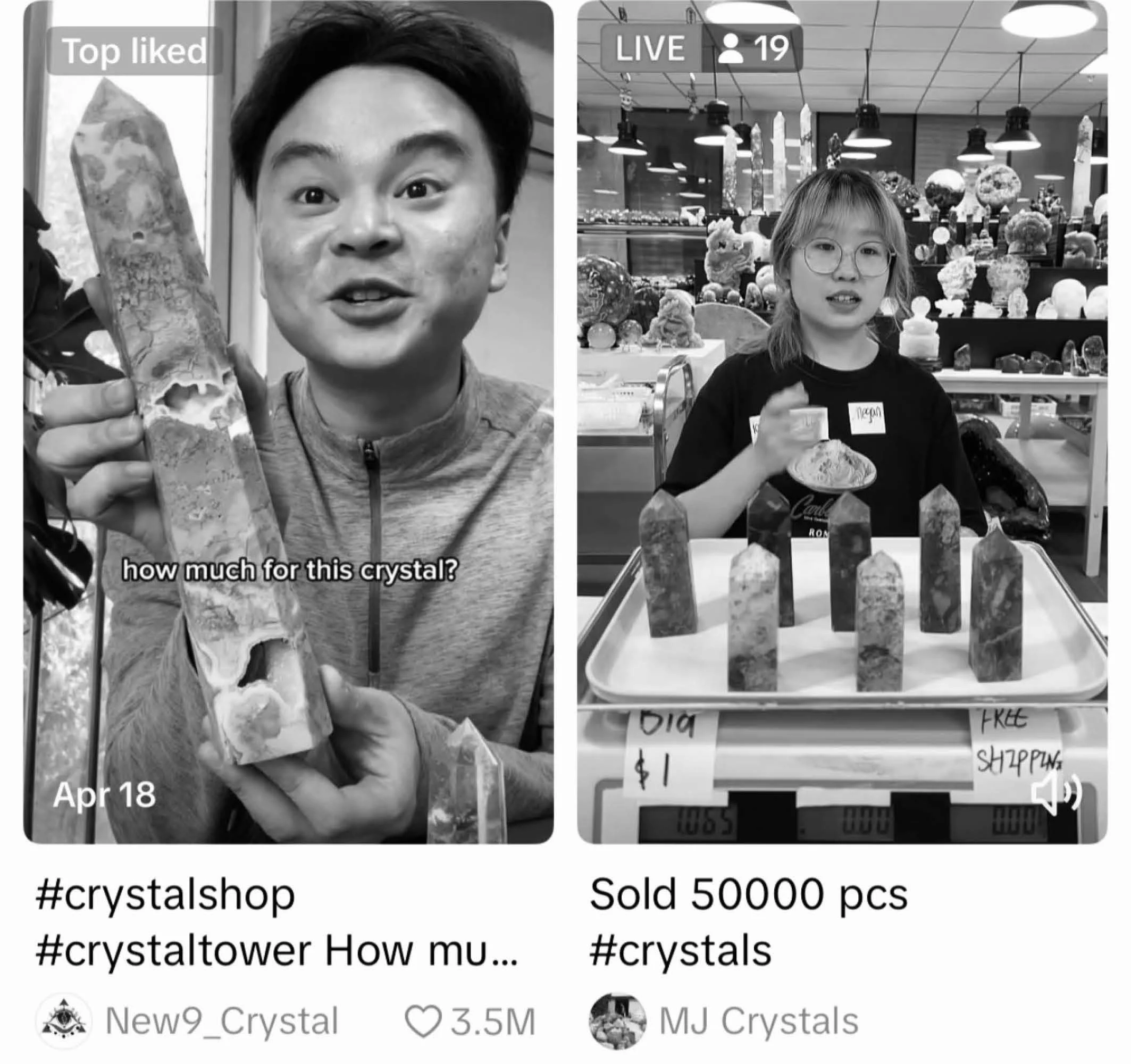
I was inspired to do this partly because more and more people are keen to buy crystals and Buddhist beads, and this trend seems to be gaining momentum in the fashion industry and on social media. However, many people seem to be unaware of the profound cultural significance and symbolic connotations behind these items.
In addition, I have also observed that many people often turn to faith and prayer to God to seek spiritual comfort and support when they encounter challenges in life or hope to achieve goals.W
RESEARCH
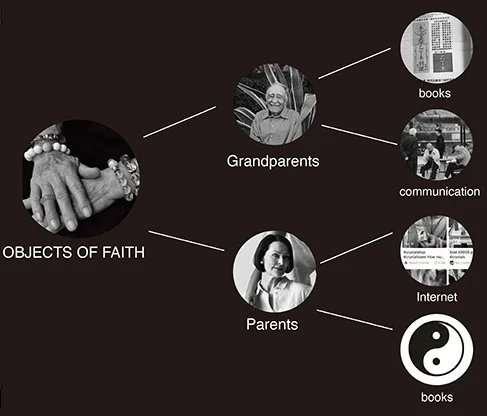
The older generation understood matters of faith in a simple way: by consulting ancient texts and learning from the myths or concepts such as "Yin and Yang and the Eight Trigrams" recorded in these books.
Another common approach is communication and exchange among the elderly themselves, as this method often leads to a stronger dissemination effect.
Young people's ways of understanding faith are much quicker and more direct than those of the elderly. They use online searches to access numerous perspectives on faith and learn about objects of spiritual significance.
Unlike their grandparents' generation, parents turn to books to quickly learn which objects can serve a purpose rather than to understand their history and evolution.
SOCIAL PHENOMENON
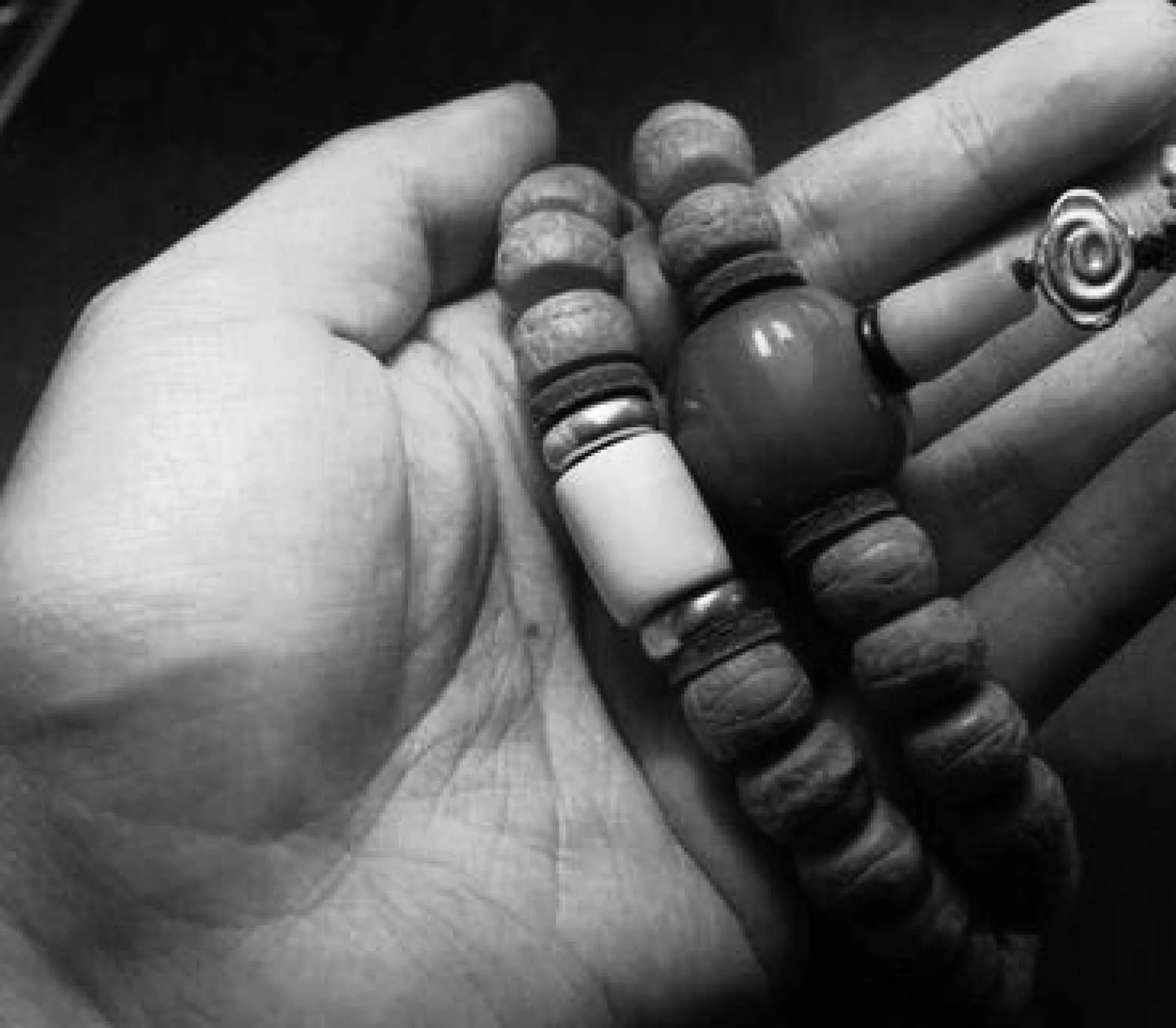
Prayer beads bracelets
Prayer beads bracelets have transformed from religious objects into a modern trend symbol, widely embraced by young people as a fusion of emotional therapy, cultural identity, and fashion accessory.
Tarot cards
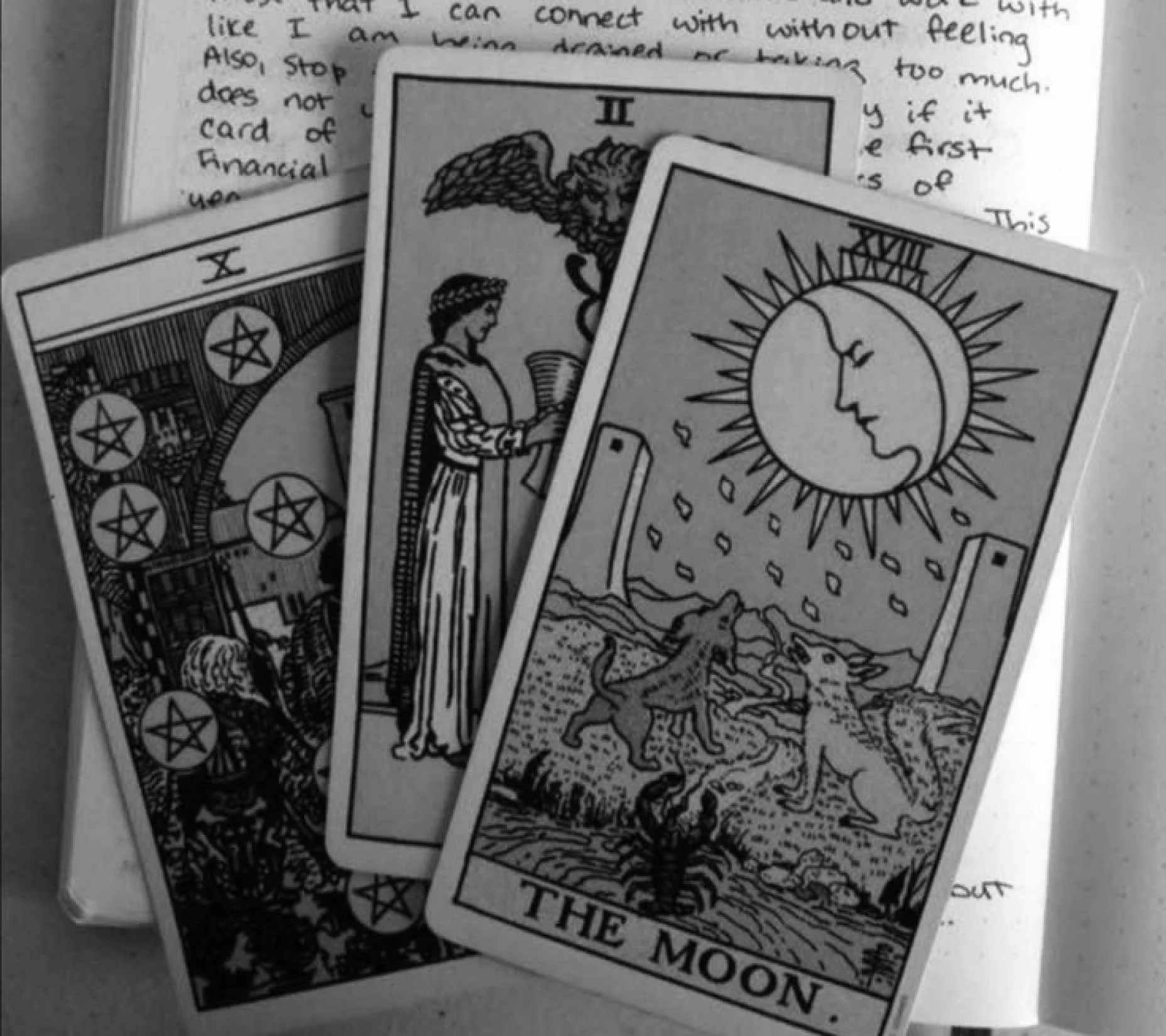
The popularity of Tarot cards reflects a widespread mindset in which modern individuals, amidst uncertainty, seek decision-making reference and emotional solace through a modern ritual that combines entertainment, psychological counseling, and social interaction
Lucky koi
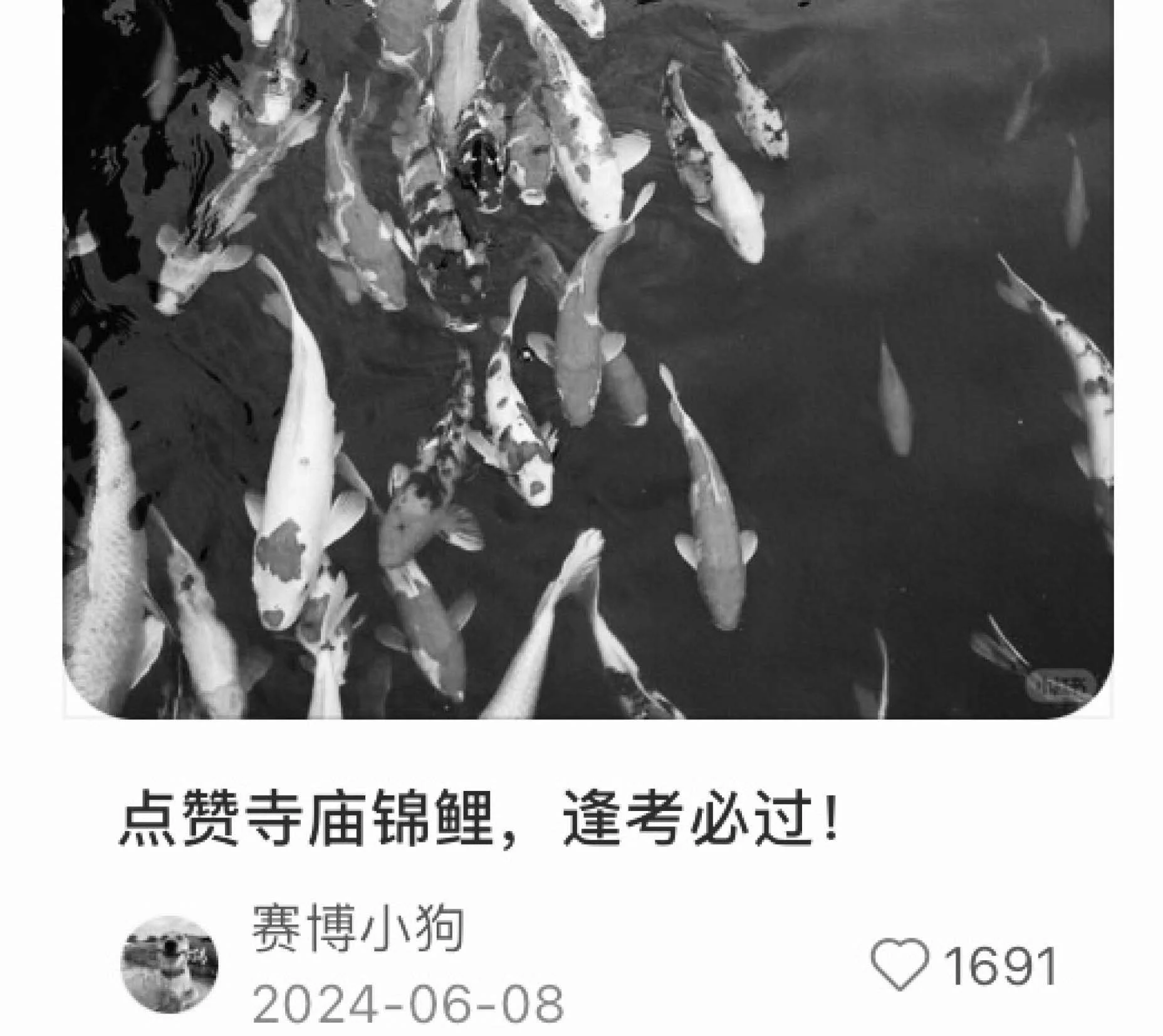
The popularity of "lucky koi" is a collective psychological comfort behavior in which modern youth use a lighthearted, playful, and easily spreadable internet symbol to cope with real-life pressures and project their hopes for good fortune.
INTERVIEW
GroupA:Parents Age 48
Expressions books/iternet
Level of Belief

Approach
Parents' generation:
Some parents may be influenced by their parents' understanding and worship of faith due to family customs. Some people only have some understanding because of some special changes. The way of expression will be more modern, usually advocating objects of faith to express, and some will participate in activities and spread together with like-minded people.
Most people have faith in their hearts to become the courage to accomplish something.
GroupB:Grandparents Age 80
Expressions books/iternet
Level of Belief

Approach

Grandparents' generation:
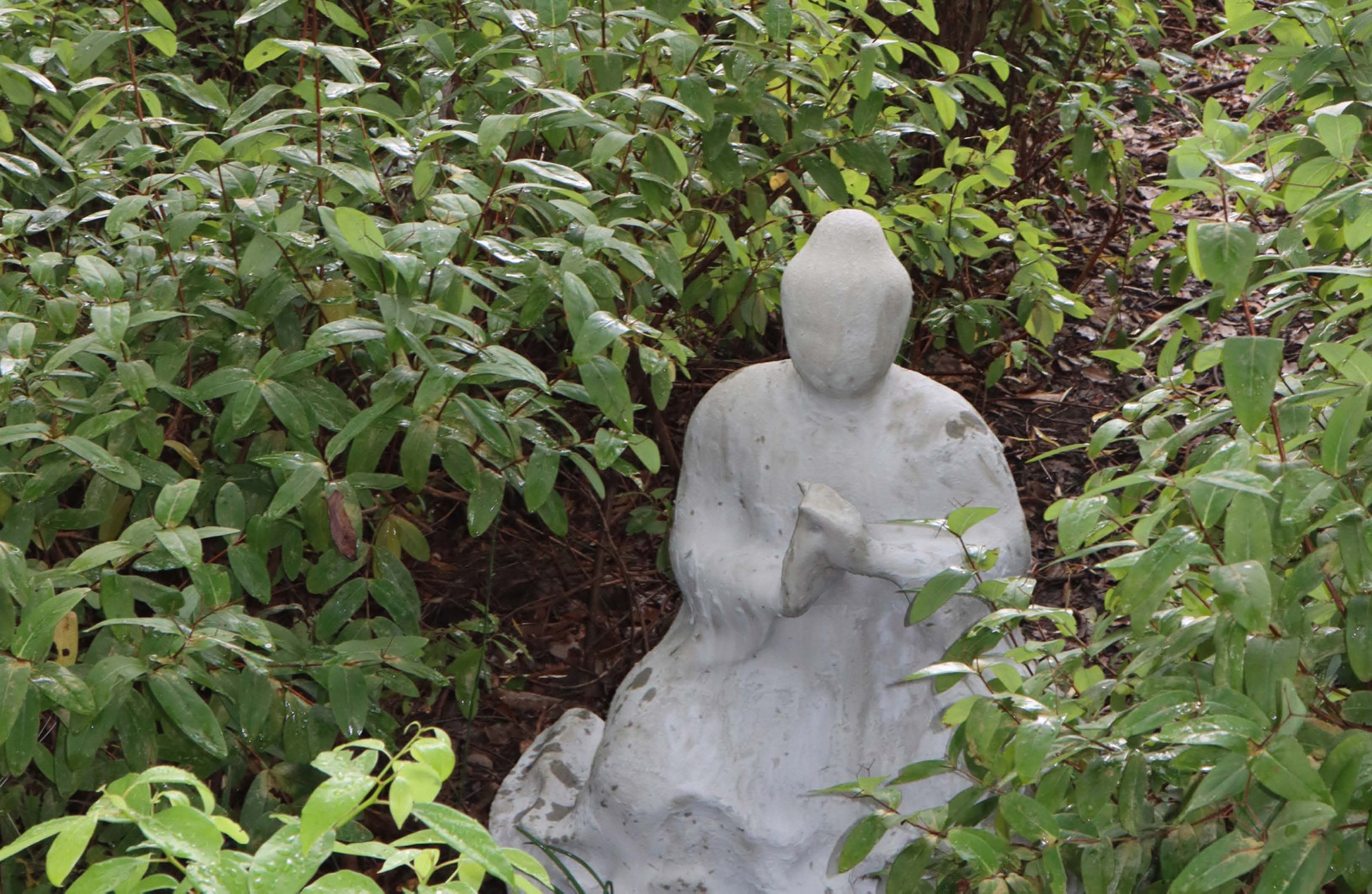
Older people usually use rituals to express their faith. For example, they often express their respect for the "gods" on specific religious holidays to request a smooth coming year. People of grandparents' generation often learn about it through mythological stories or books.
They often have this belief because they hope their children will be safe and successful, which is a kind of inheritance of hope.
DESIGN CONCEPT
Material
Plastic,Cement
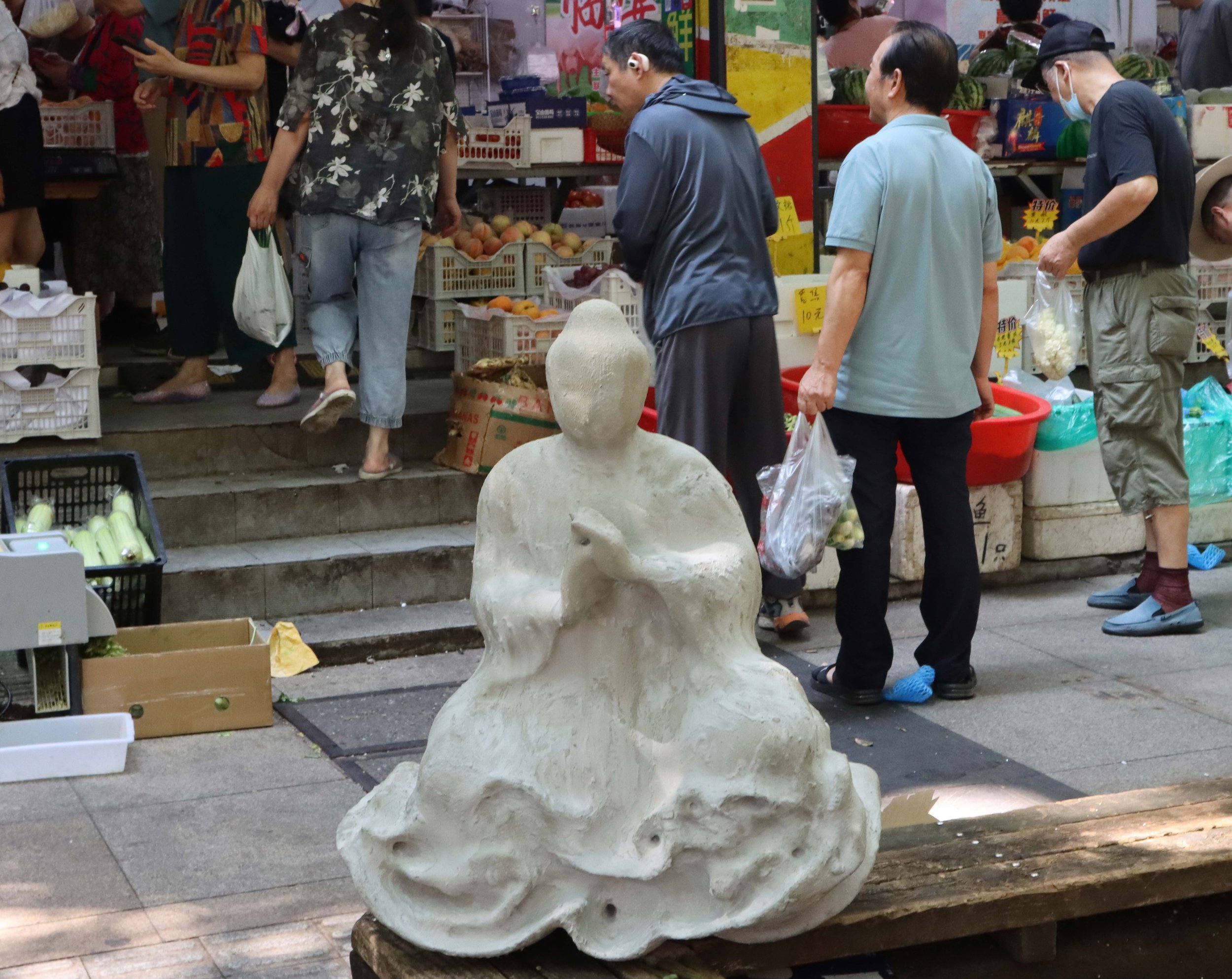
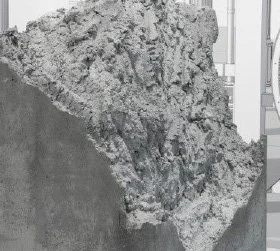
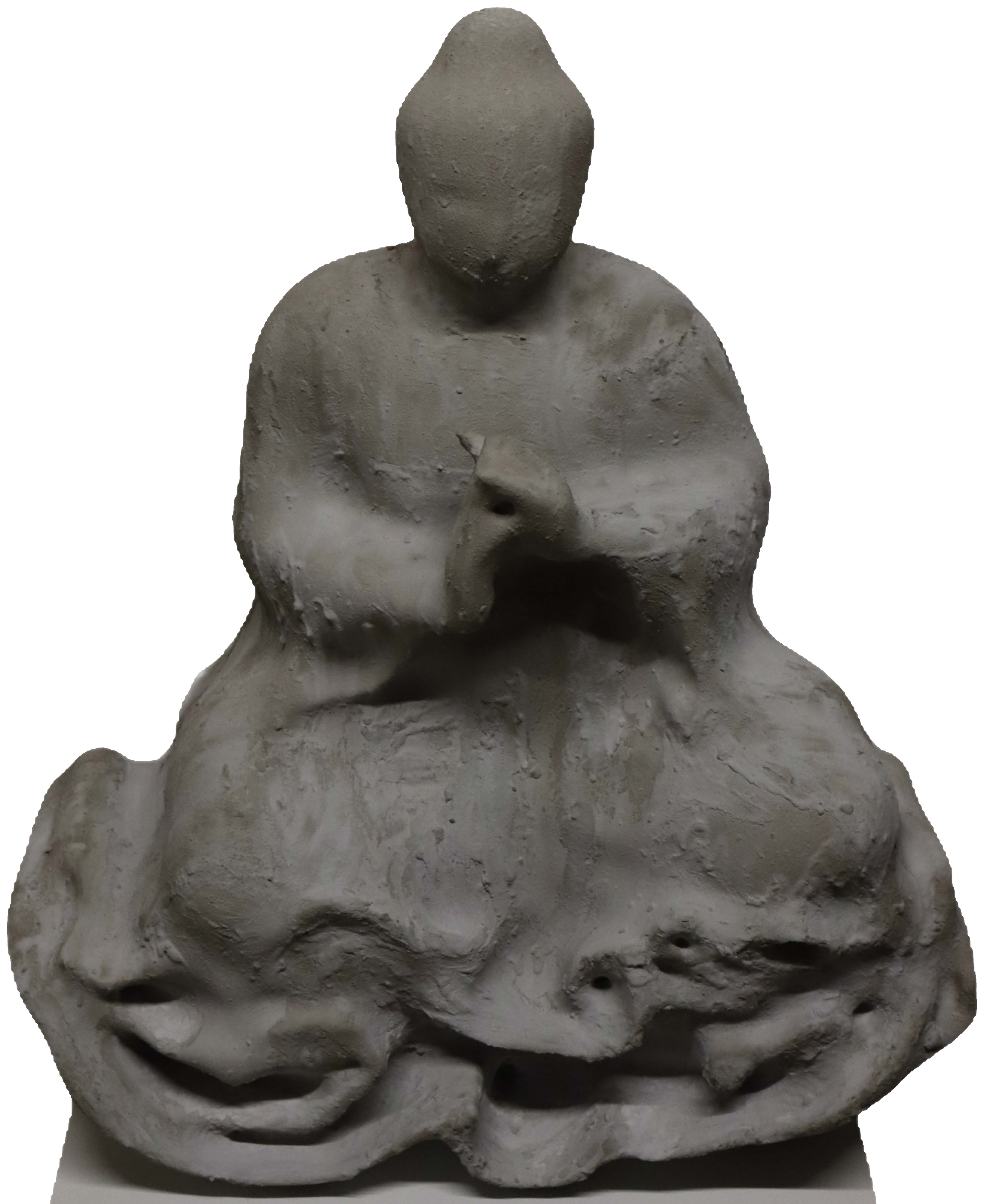
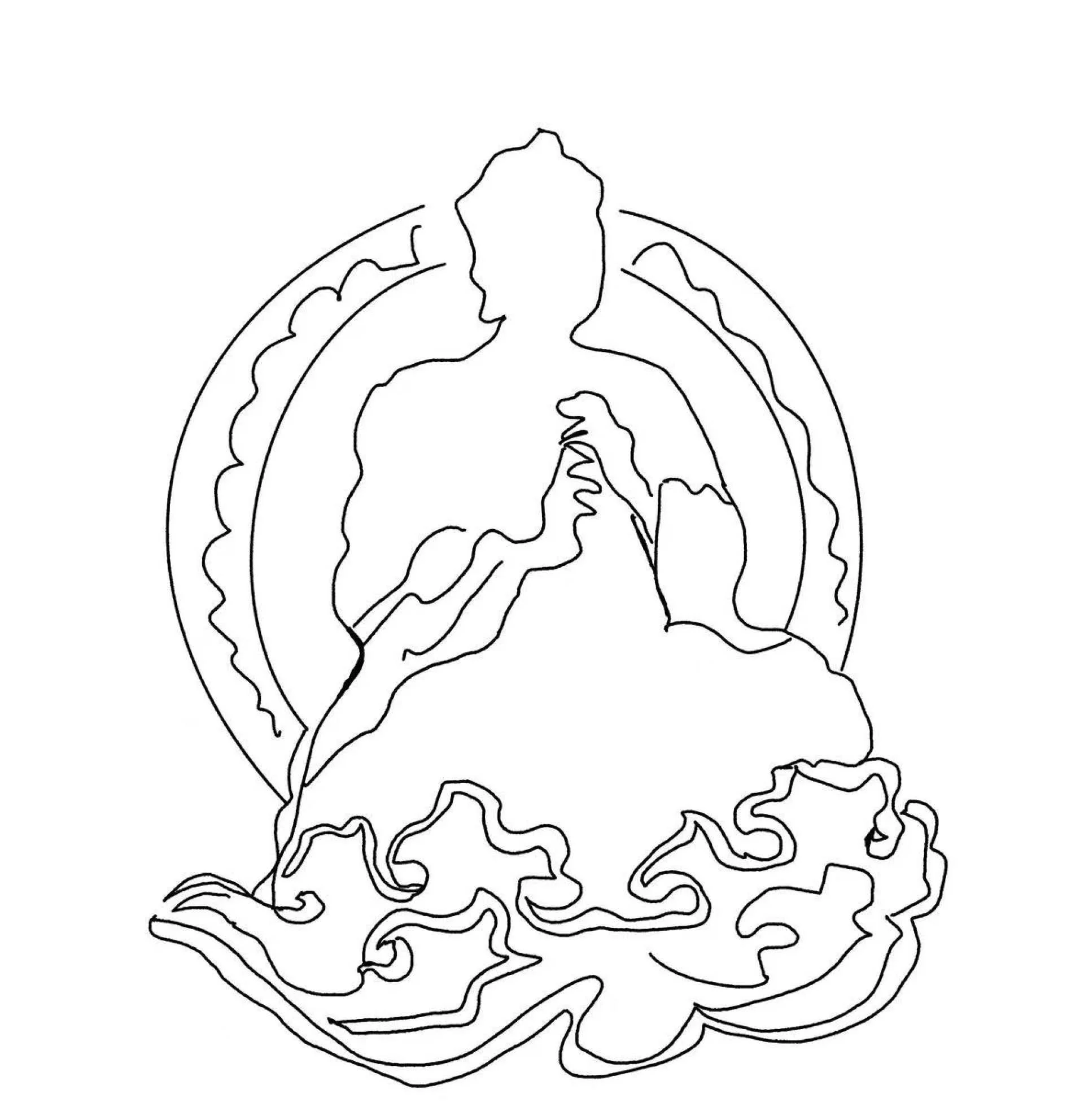
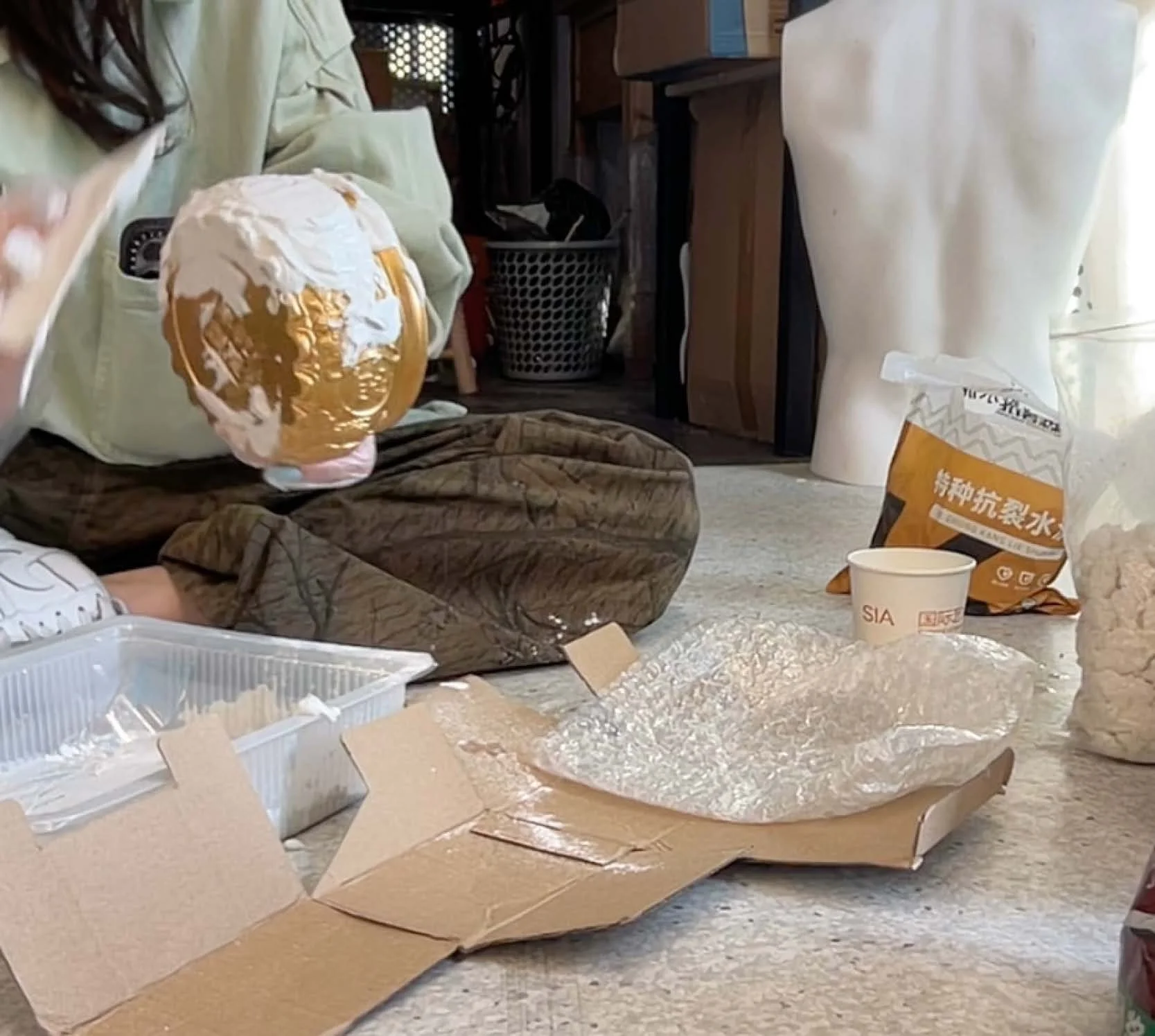
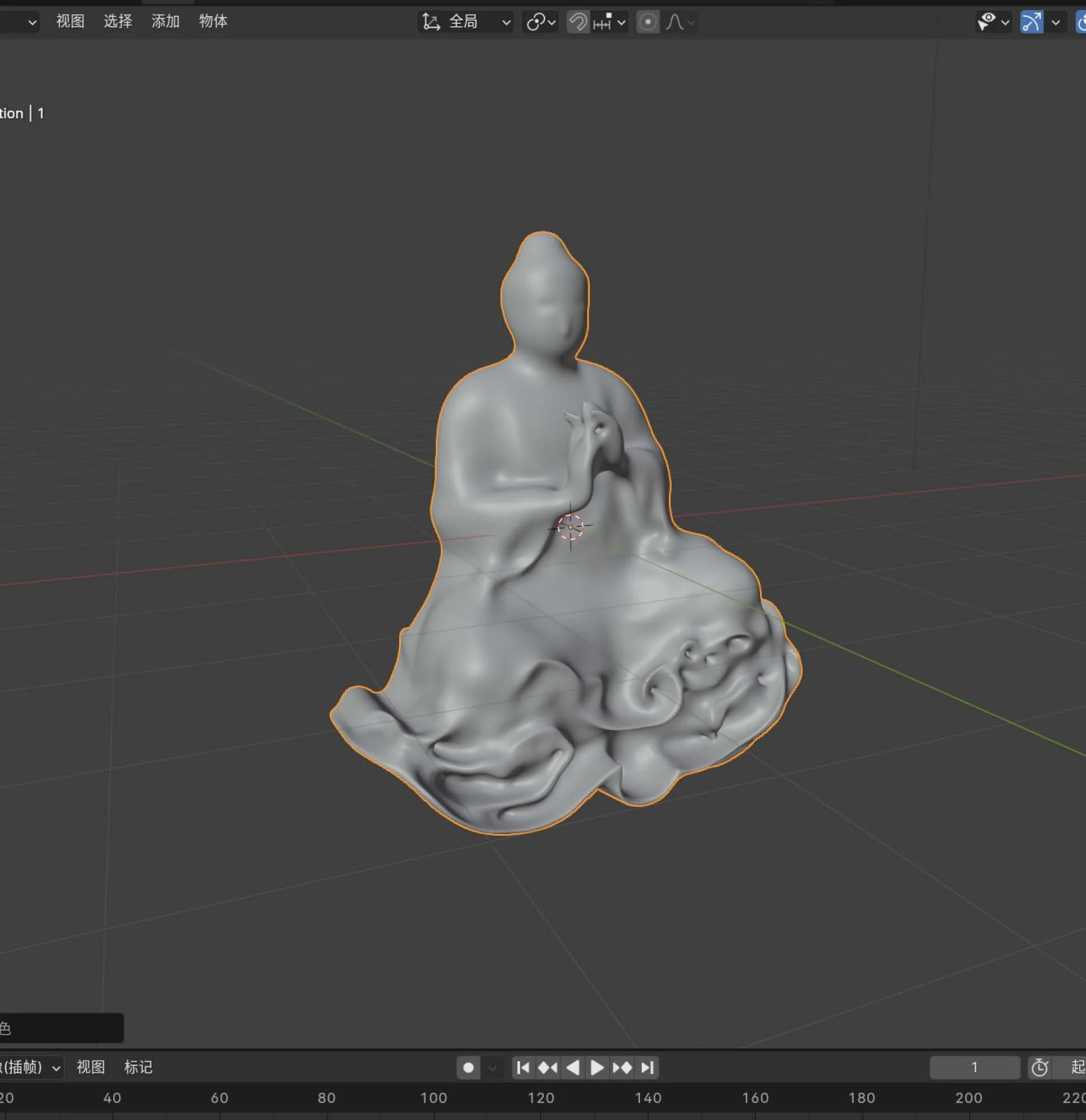
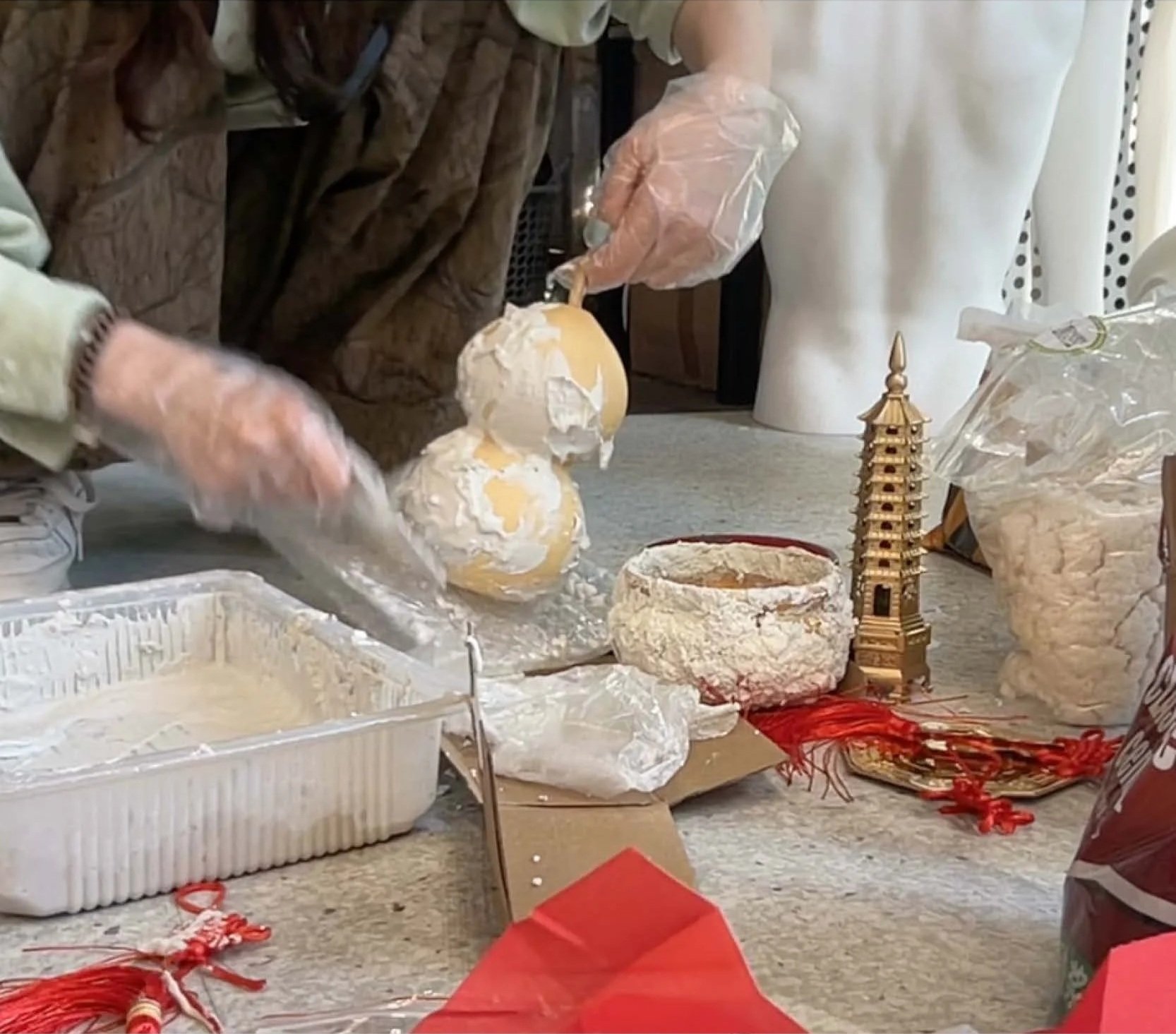
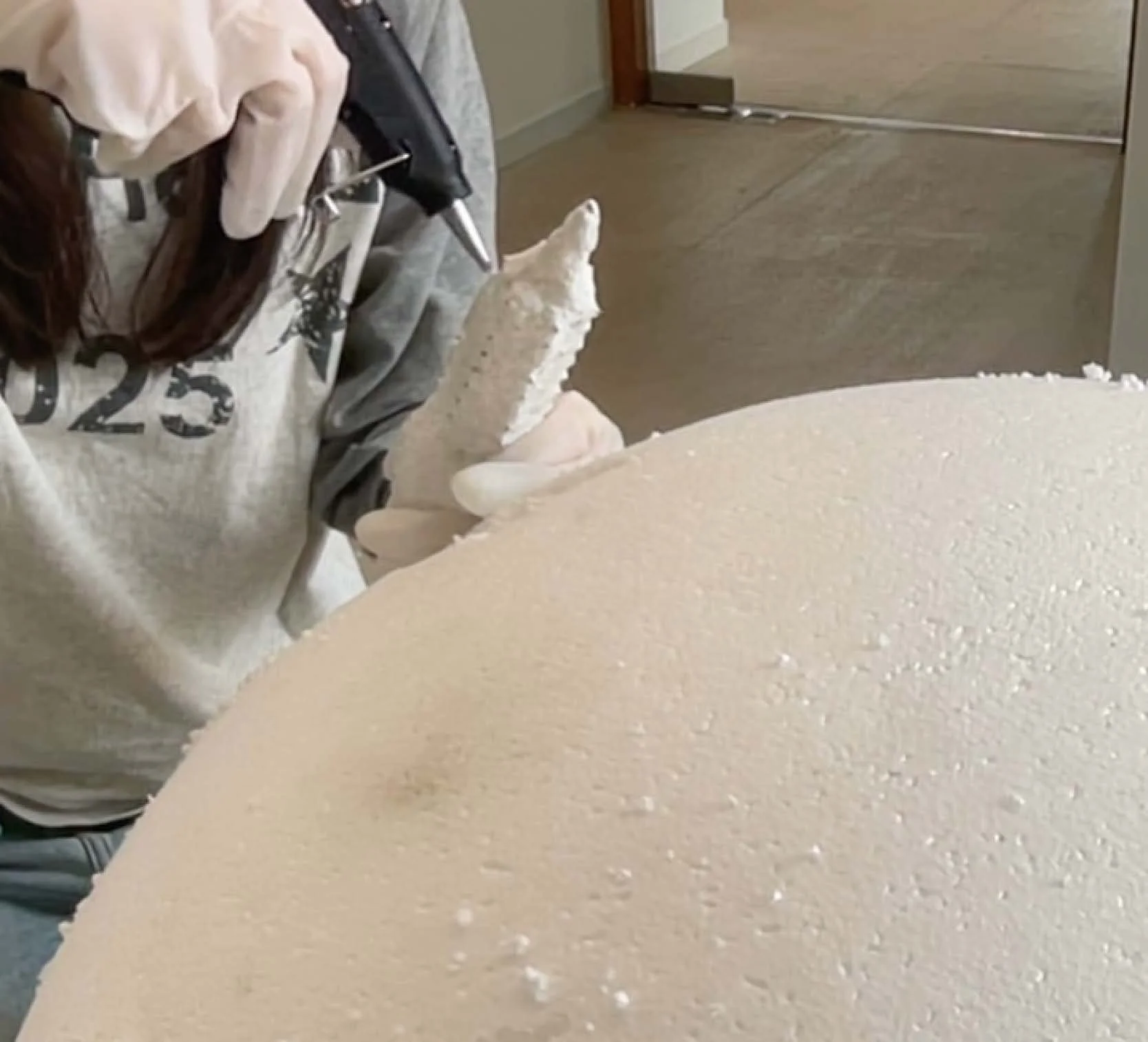
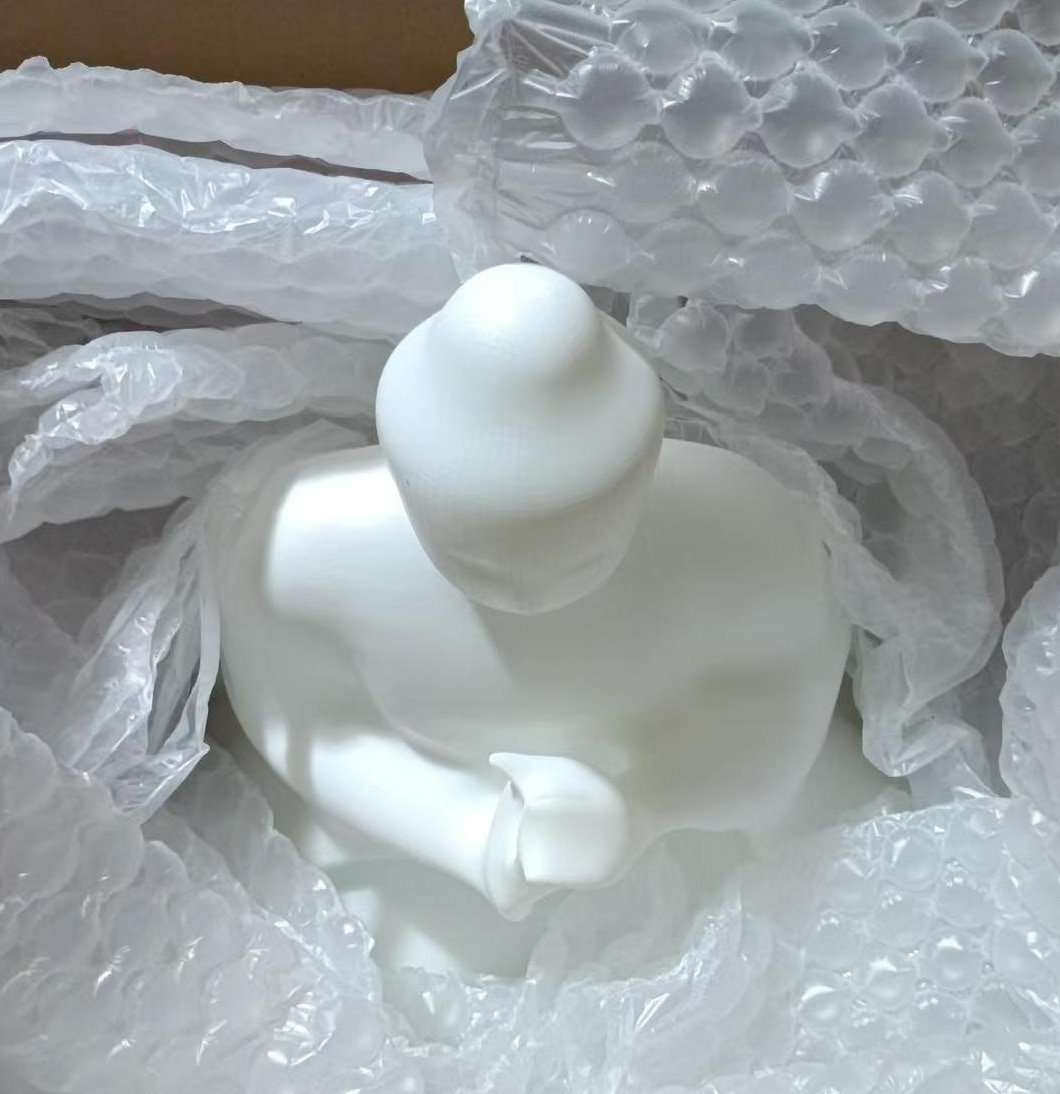
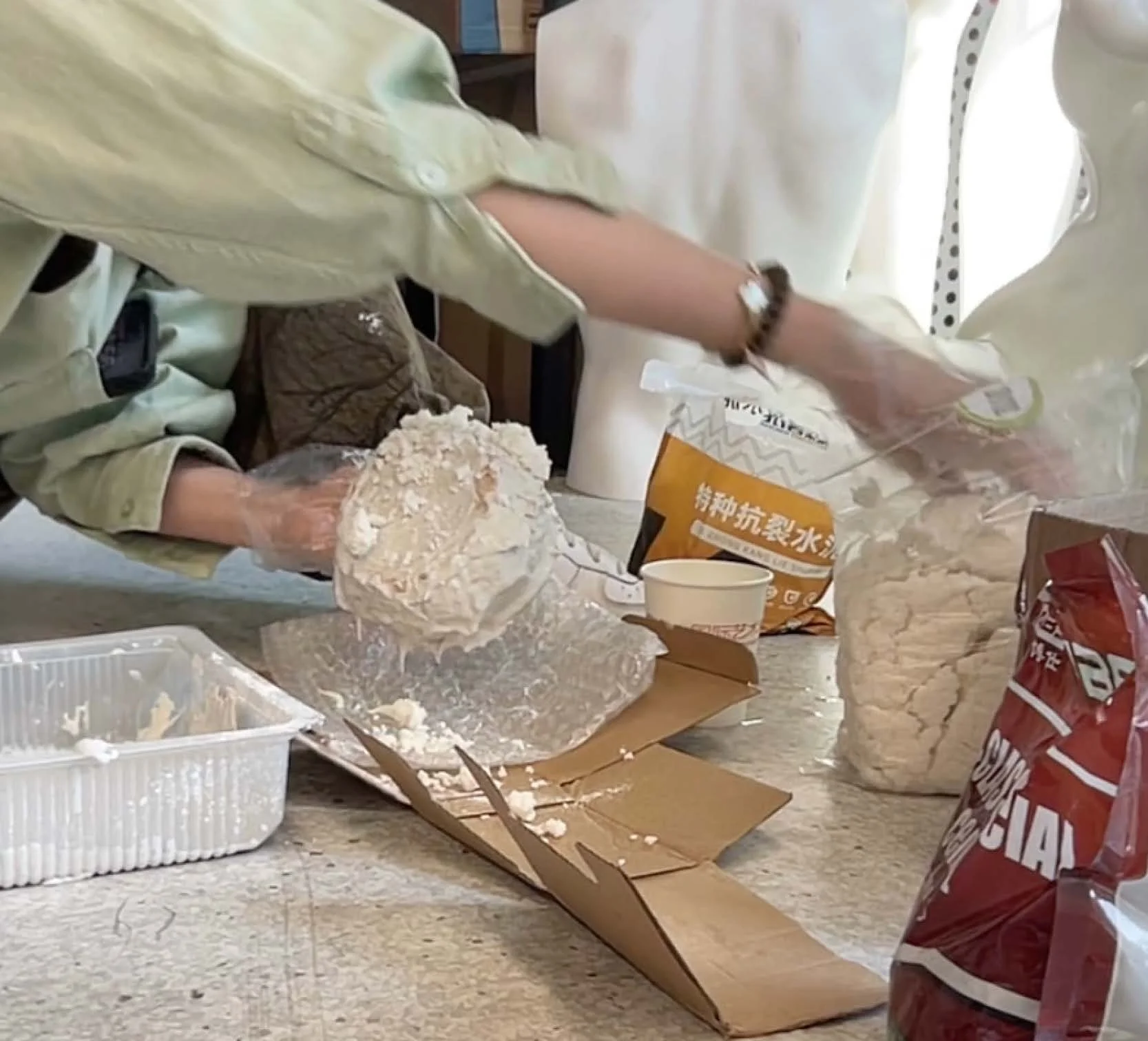
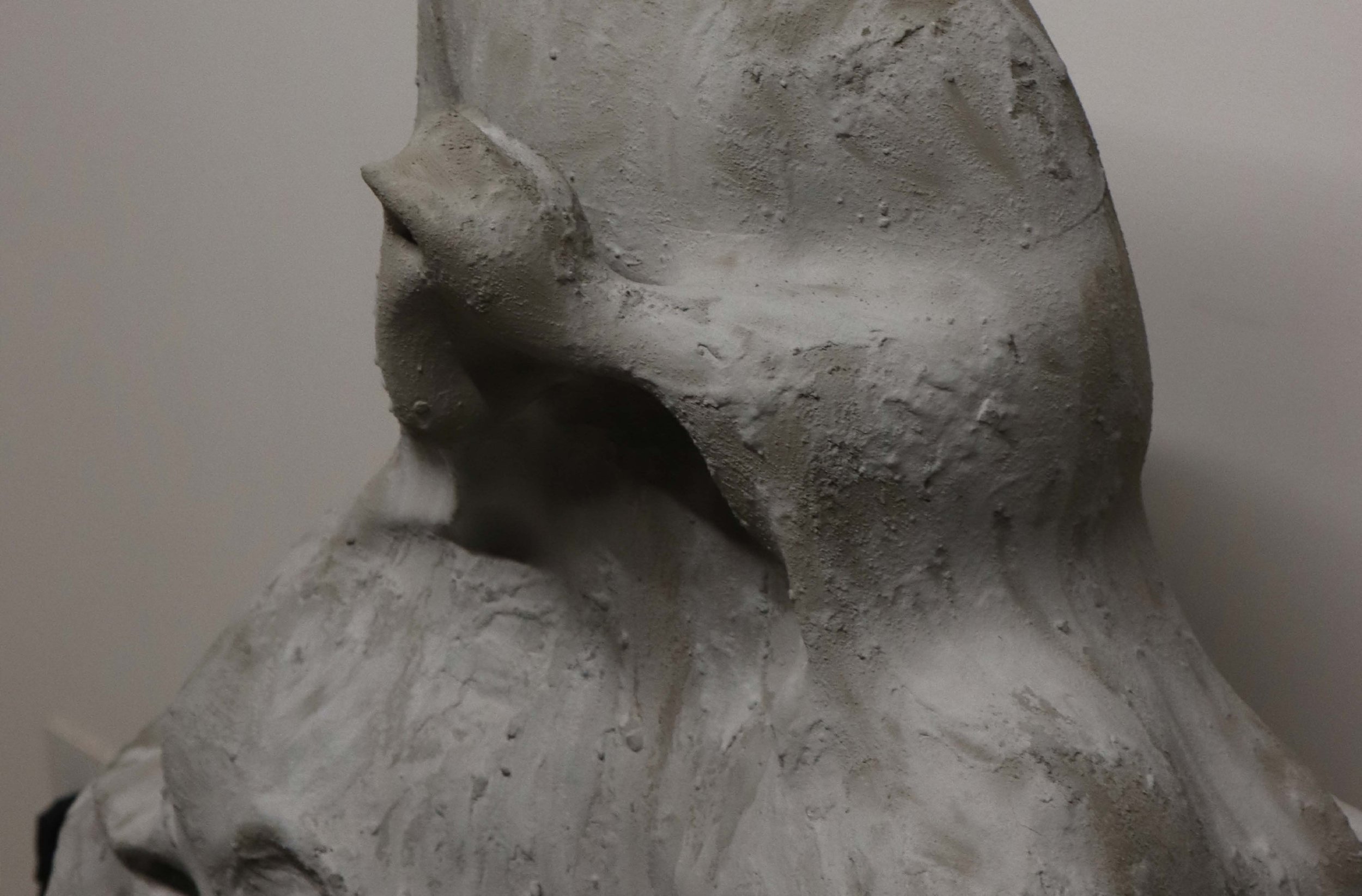
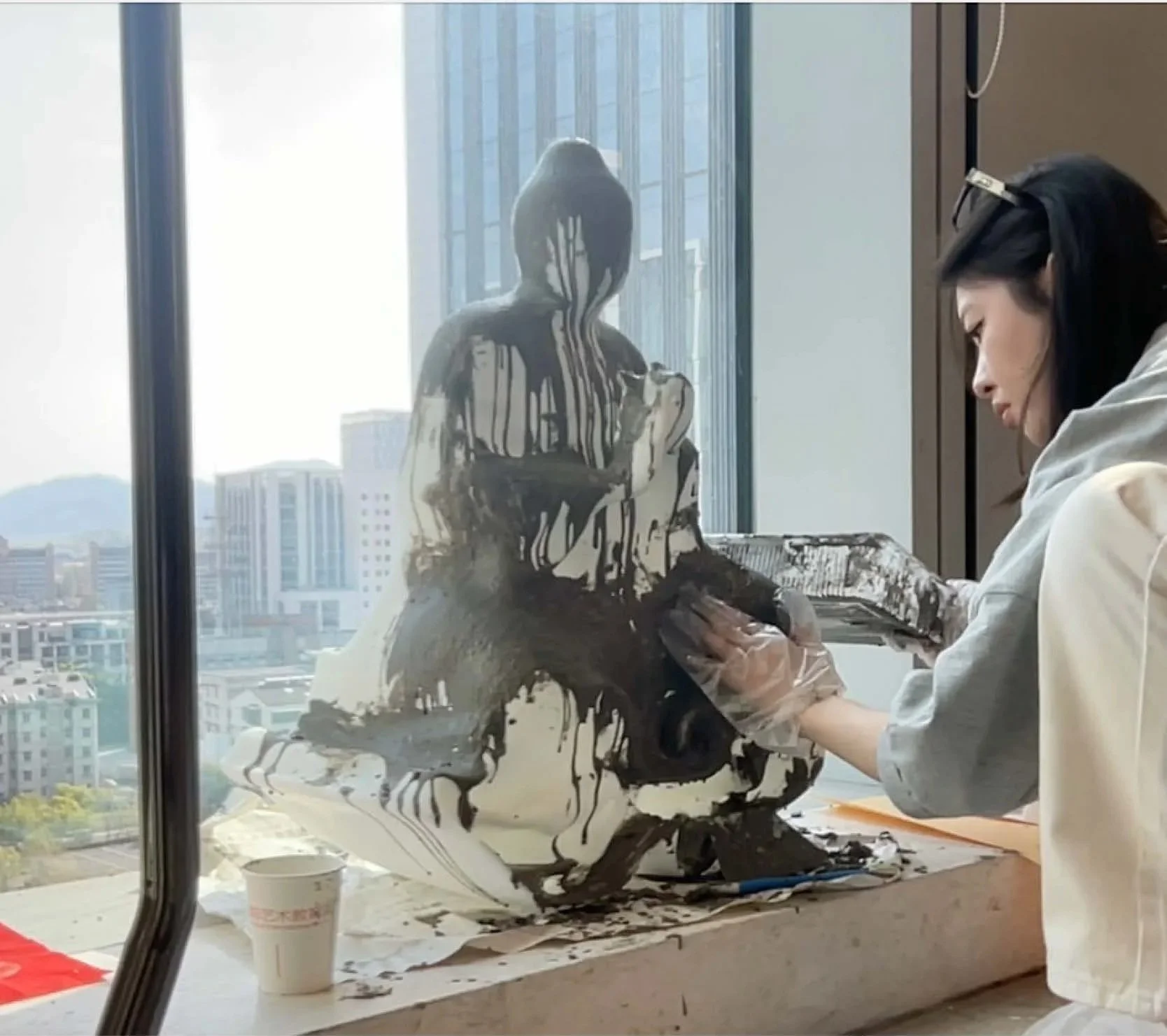
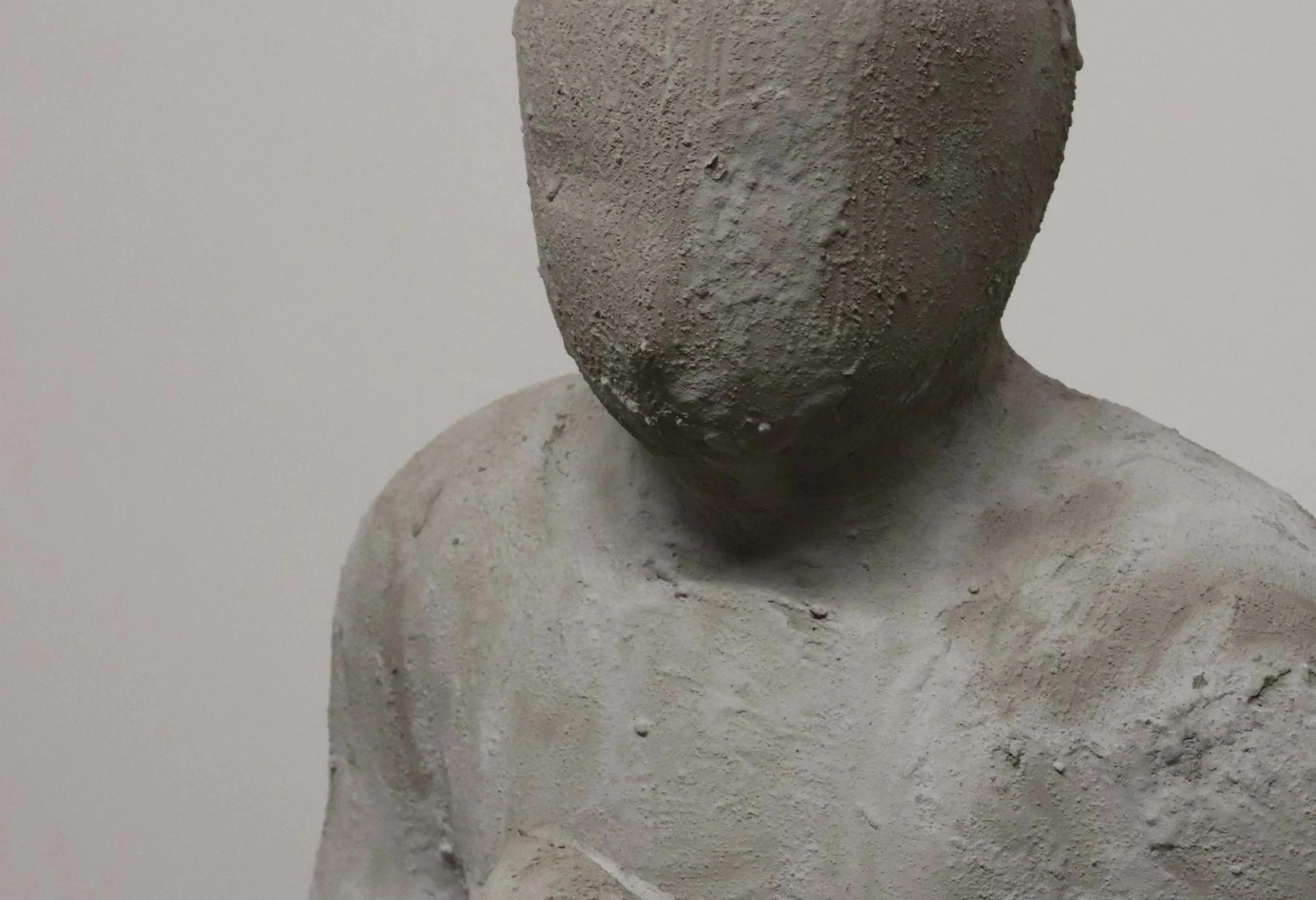
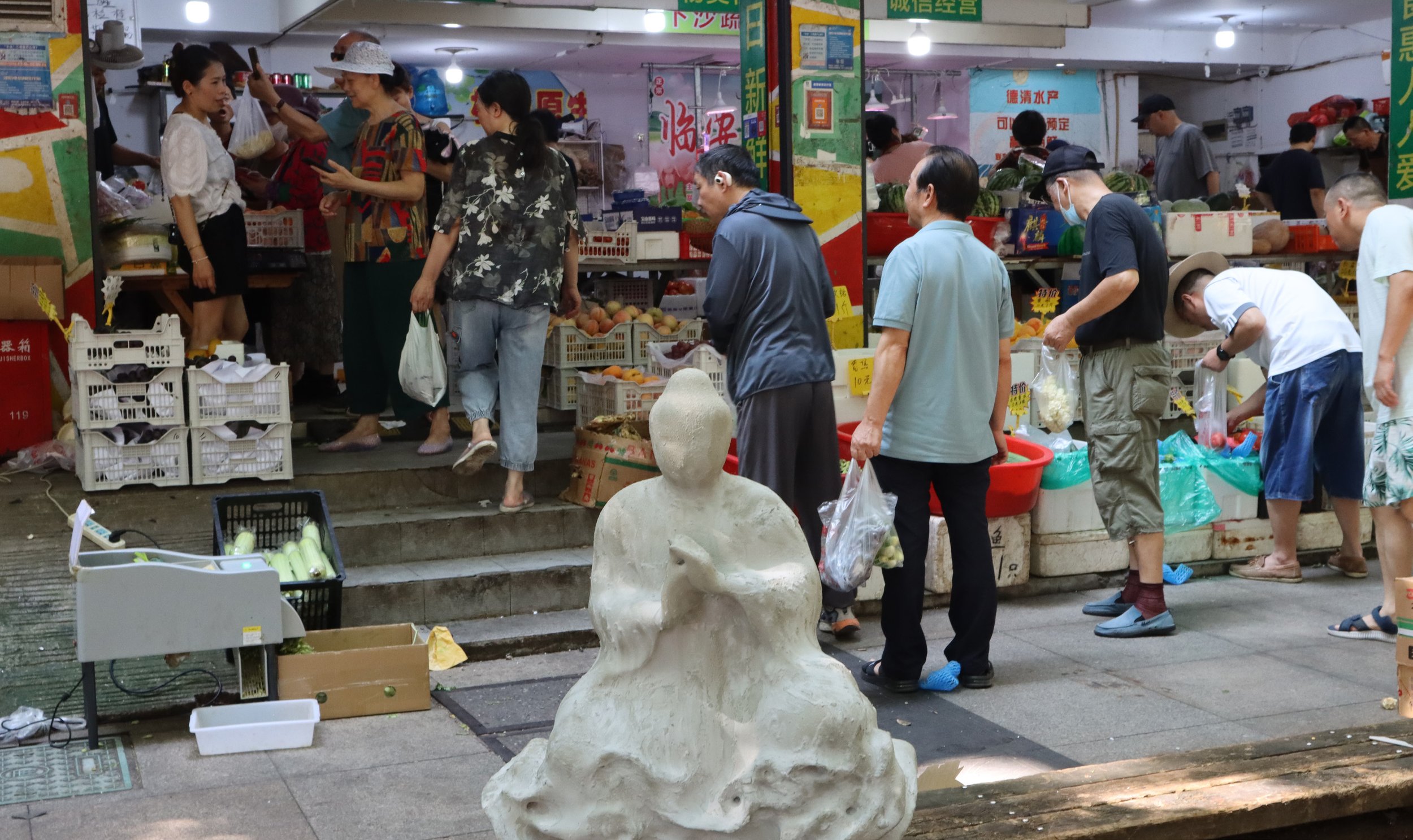
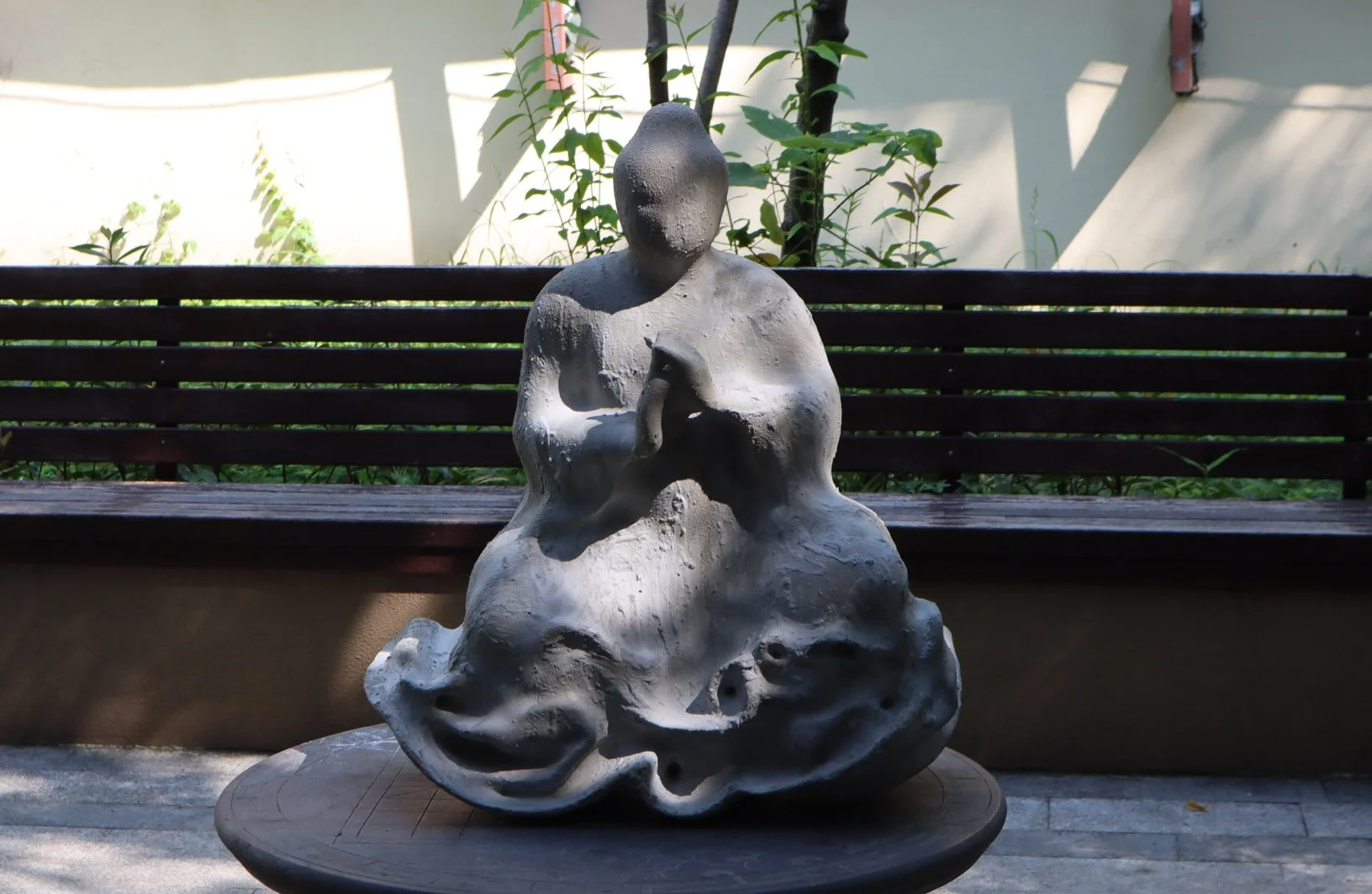
The Buddha statue is crafted from cement: first, the cement is mixed into a powder and then applied over a 3D-printed model. This choice of material symbolizes the grandparents' generation's perception of faith—as solid and profound as cement itself—while also reflecting their deep perseverance and steadfast commitment to the meaning of faith.
Material
Paper
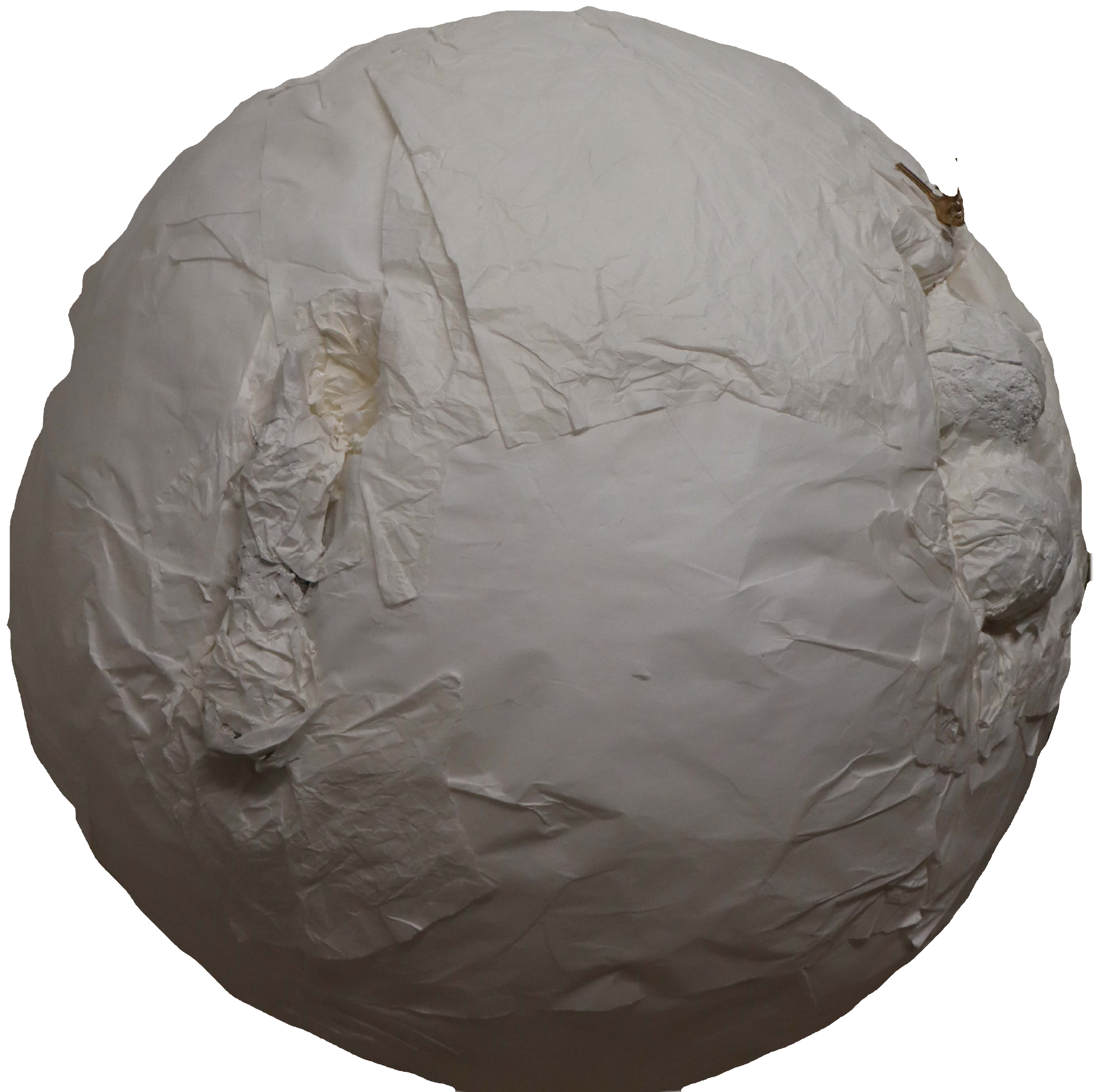
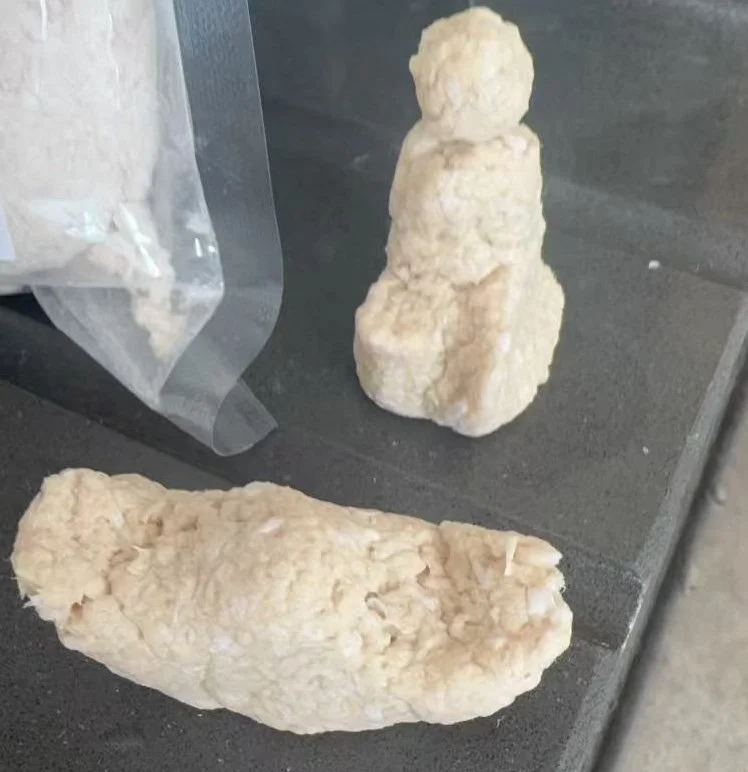
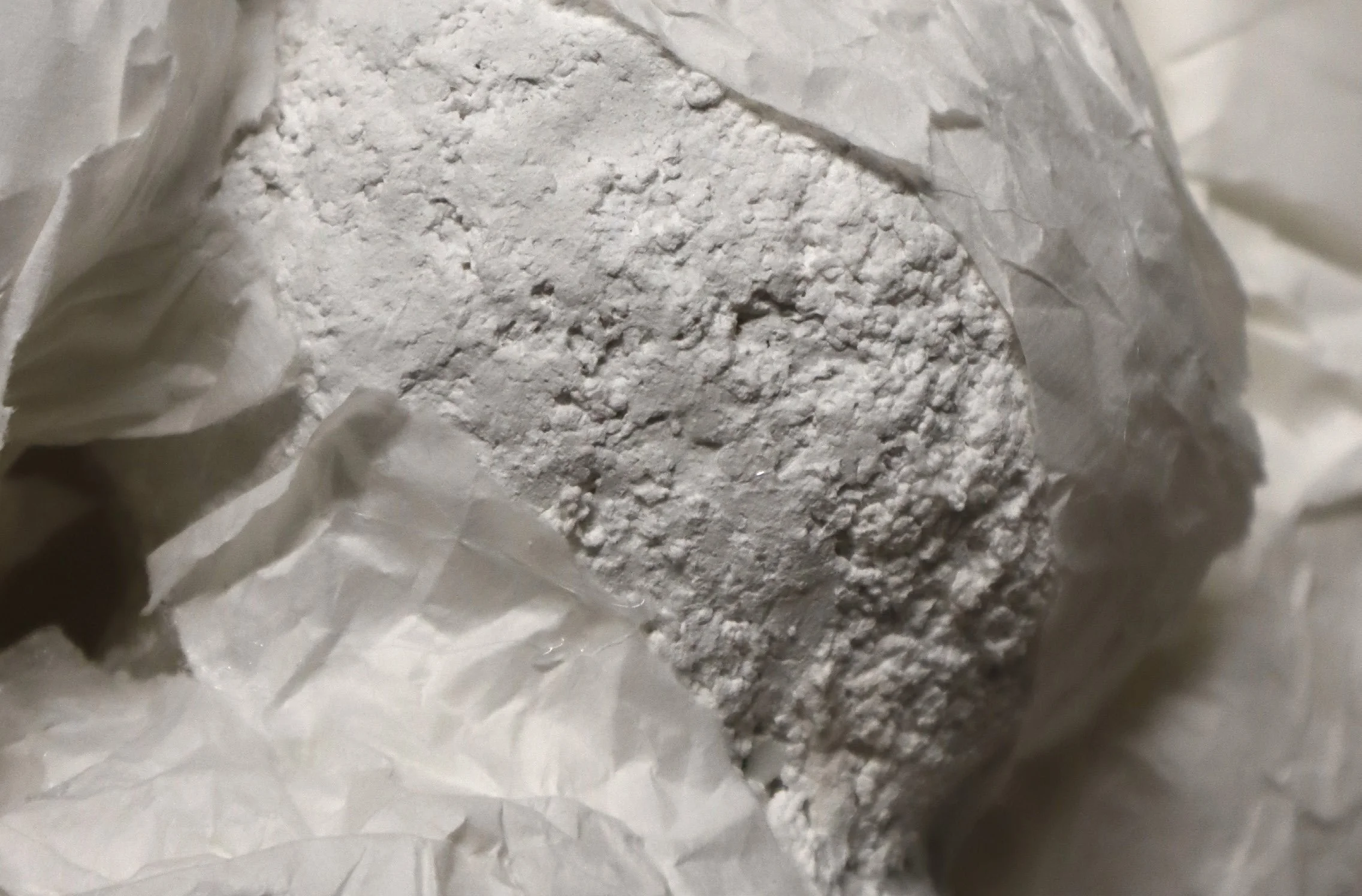
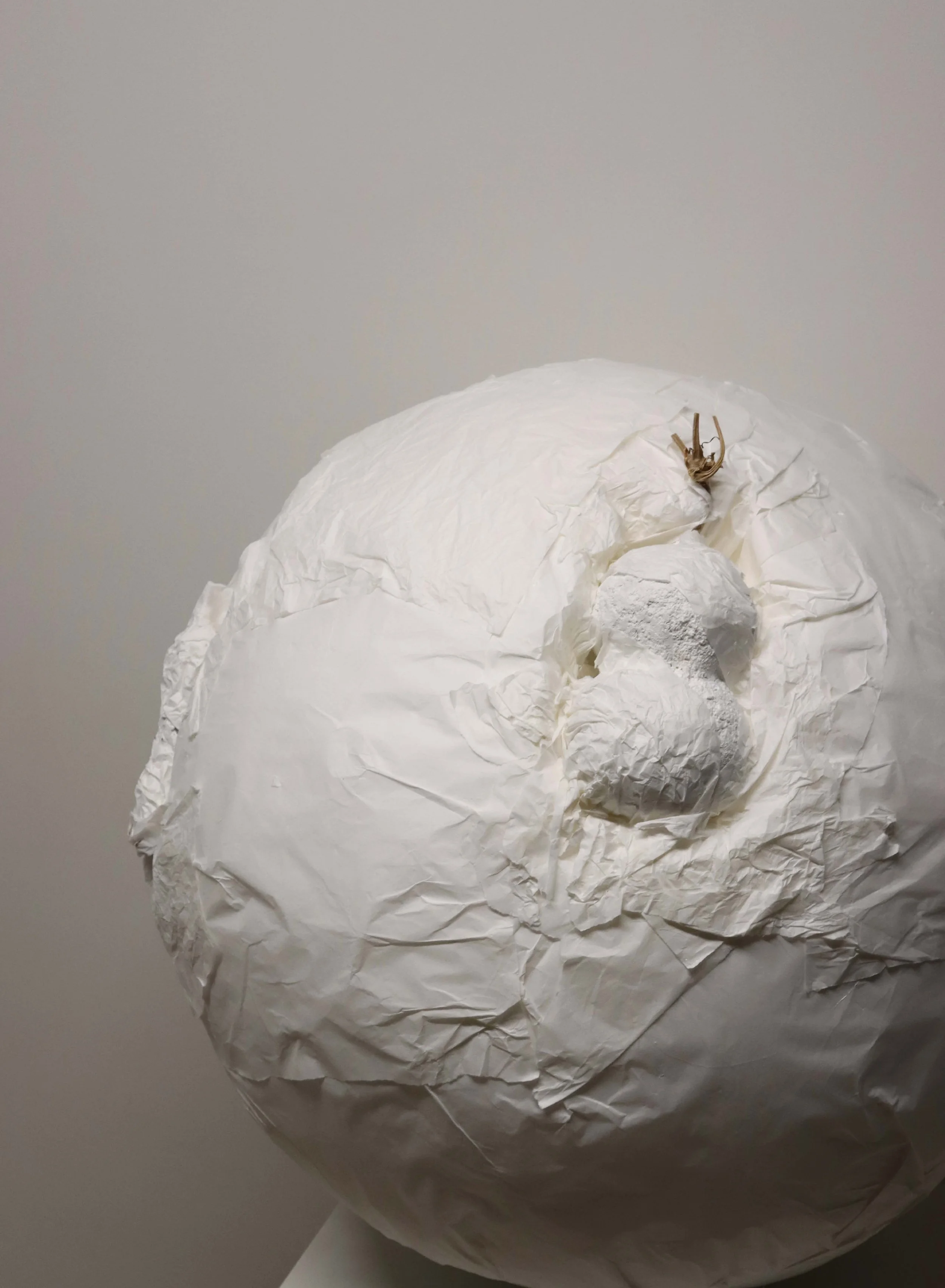
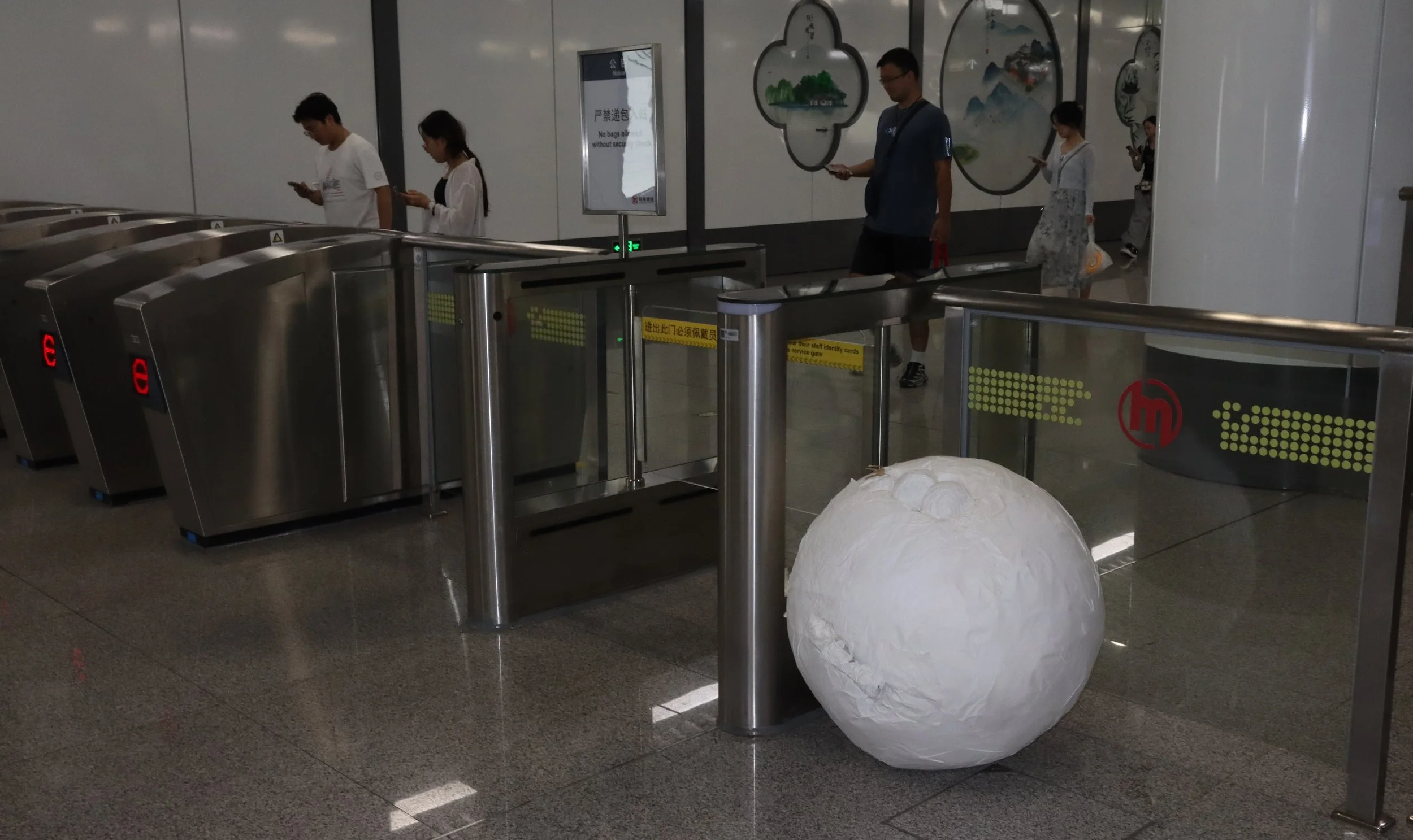
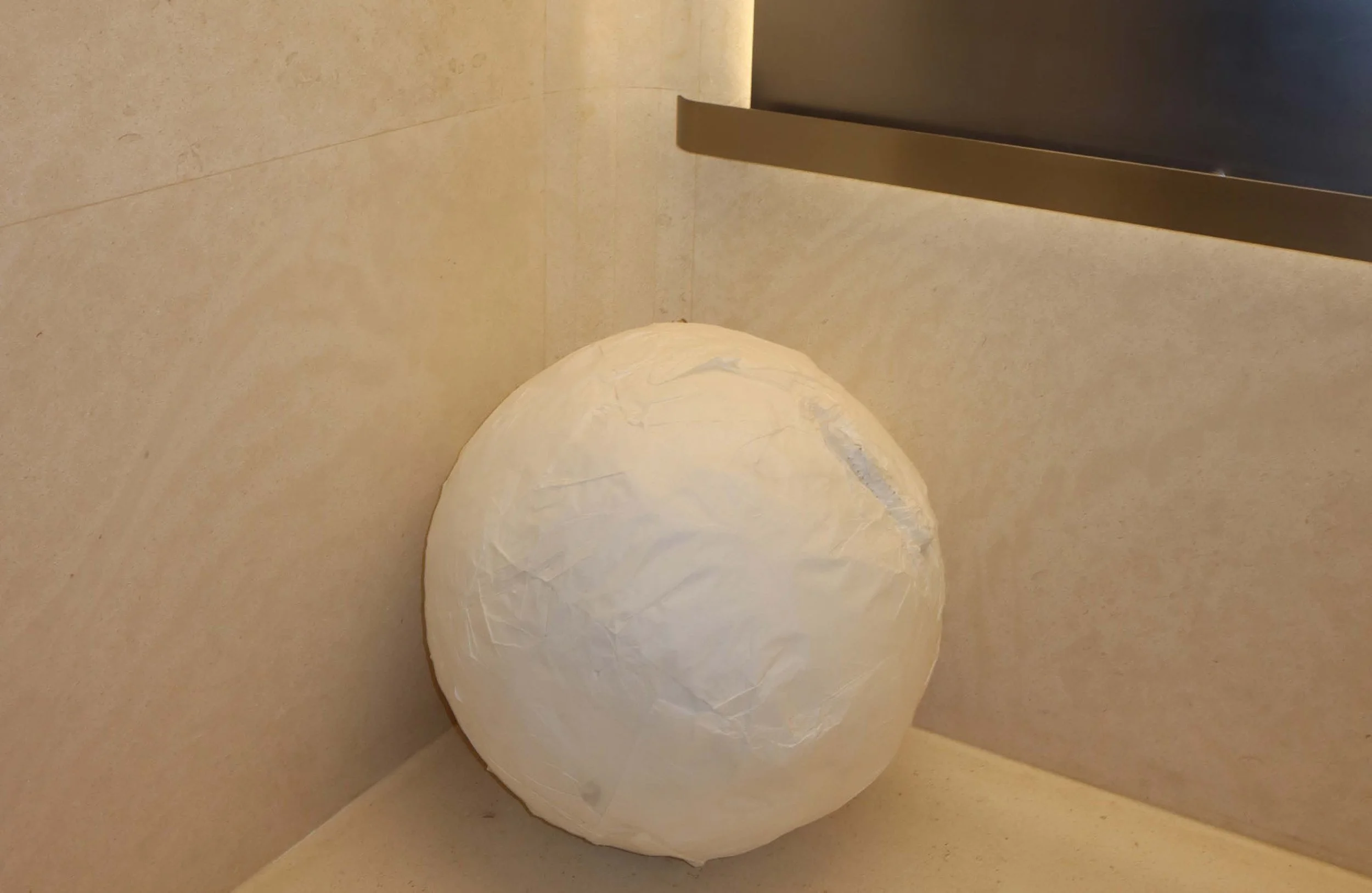
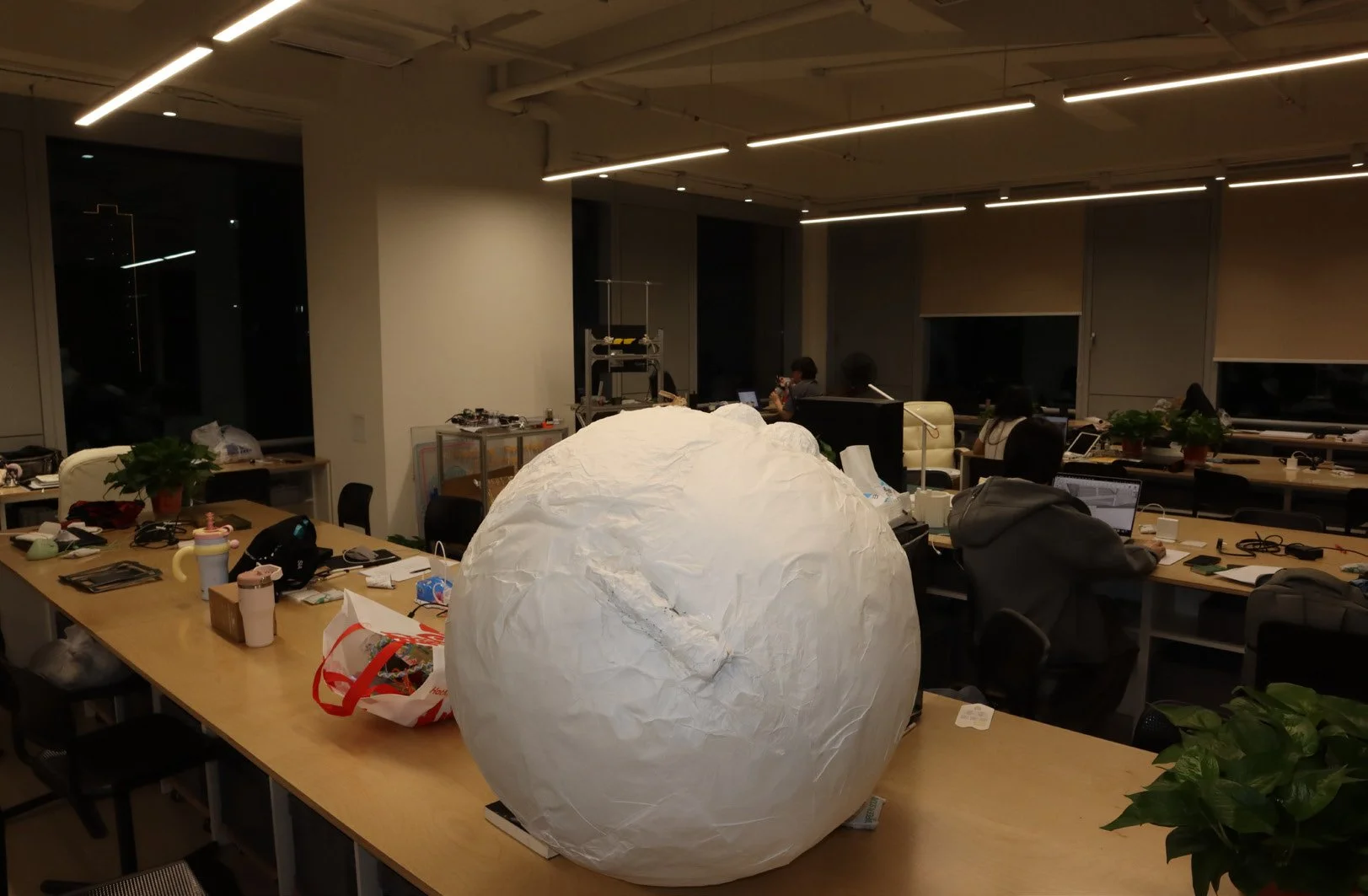
The paper-wrapped installation presents to the parent generation that faith is a form of existence perceived through knowledge in books. Using paper as the material, the installation alludes to objects commonly associated with faith, such as scriptures and talismans, while also echoing the symbolic role of books as carriers of knowledge.
Items of faith
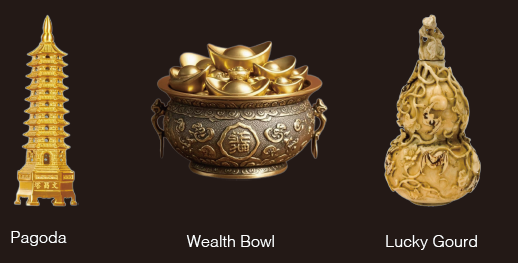
I have selected some key objects frequently mentioned in Chinese Feng Shui books, such as the Wenchang Pagoda—a tower traditionally believed by parents to bless their children with academic success. These objects are then wrapped in paper and collected within a large installation.

INSTALLATION DESIGN
Sketch of installtion
3D Modeling
INSTALLATION DESIGN
I am using two distinct installations to present the importance of faith across two generations. Based on prior research, the exhibition reflects forms and mediums familiar to them, ultimately taking shape as an urban exhibition.
Final installtion
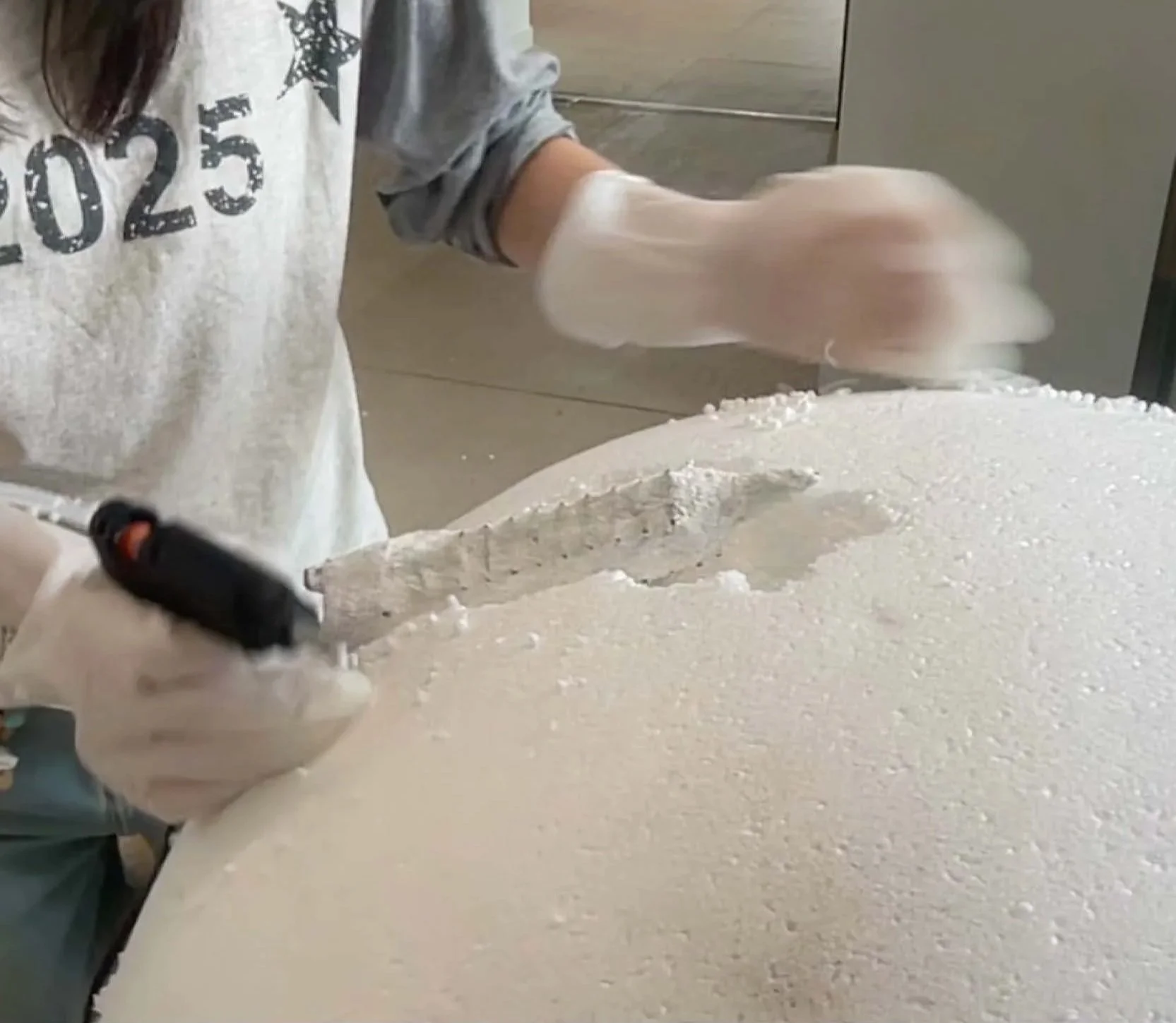
INSTALLATION DISPLAY
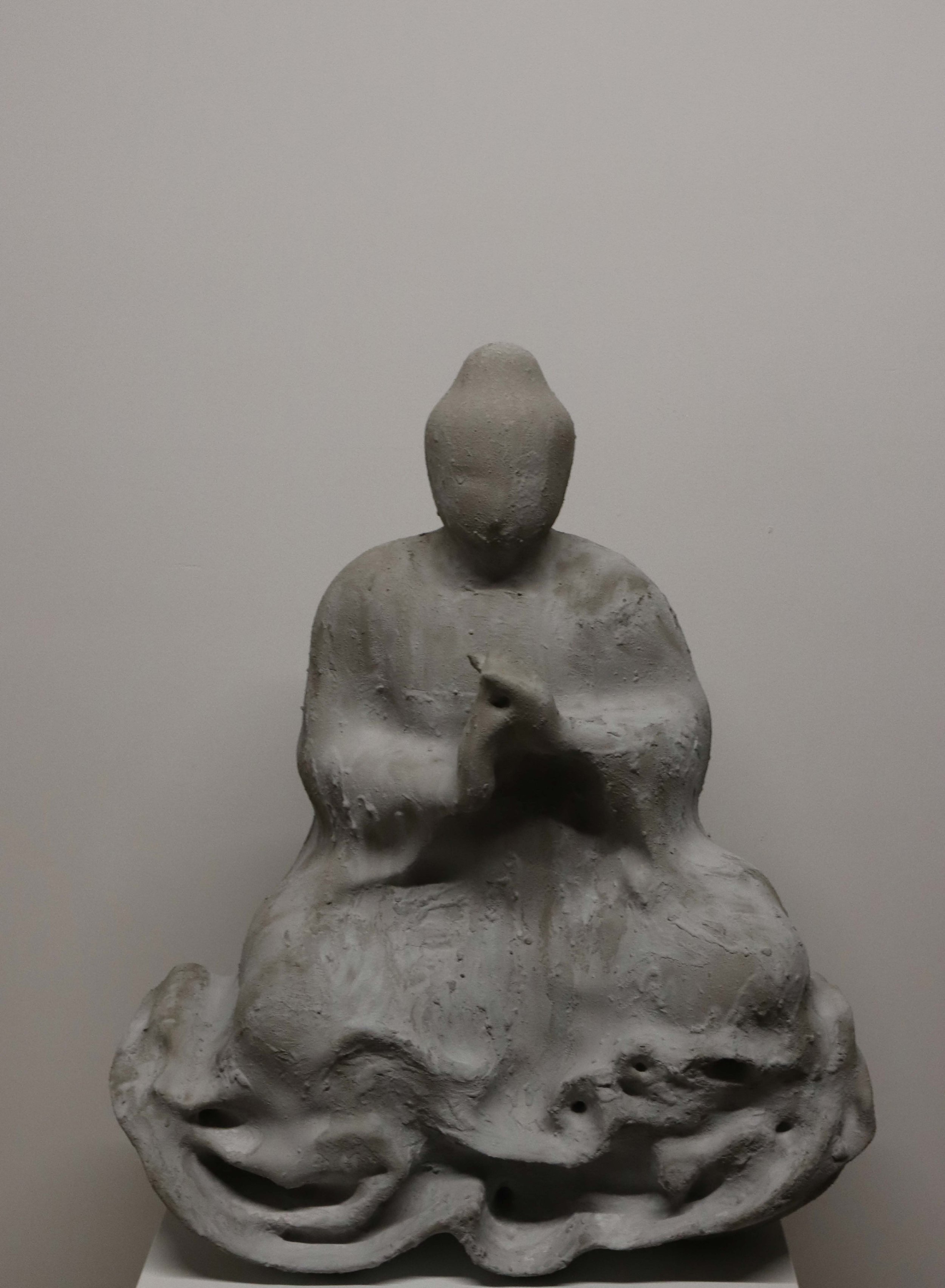
Test Material
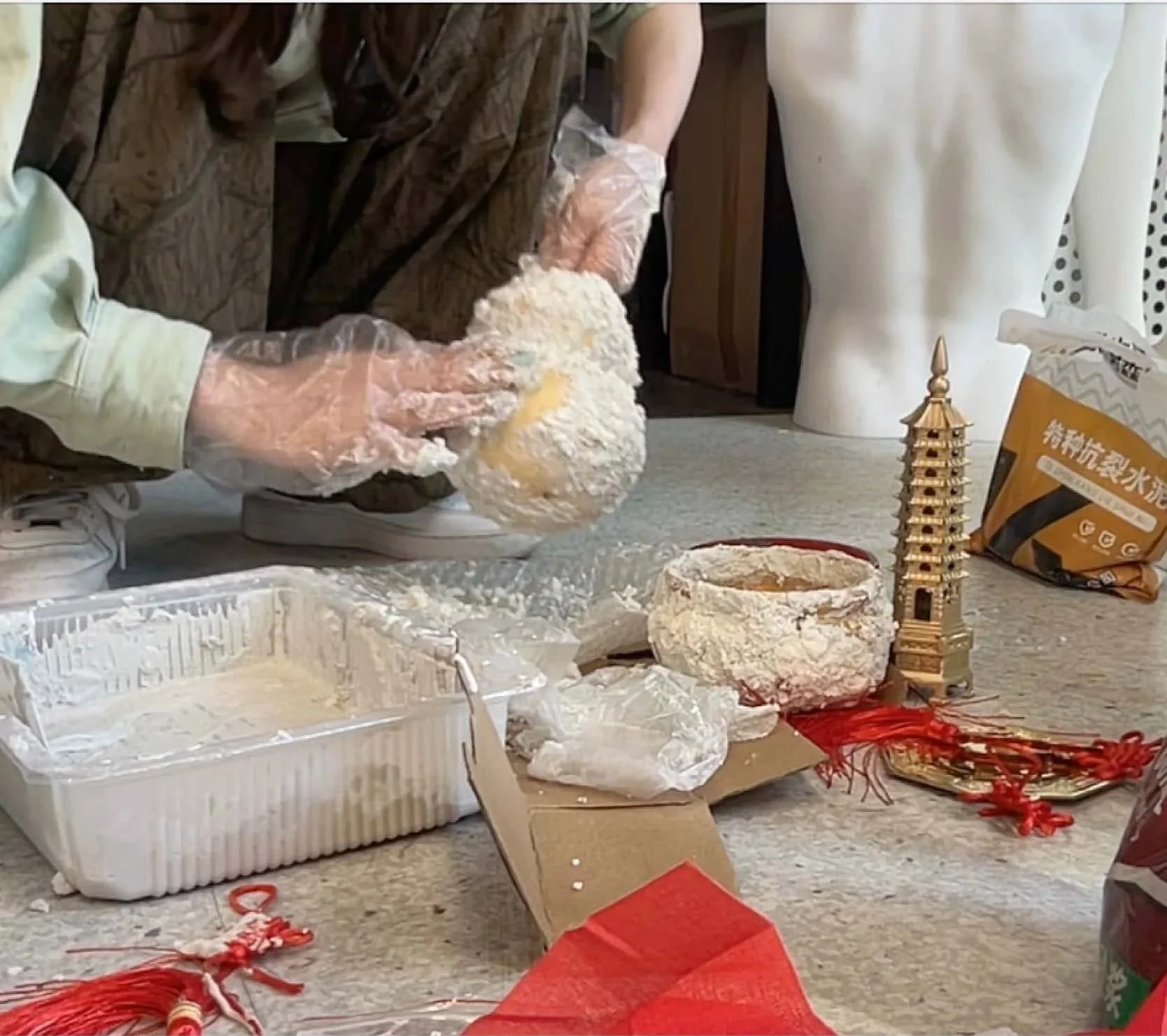
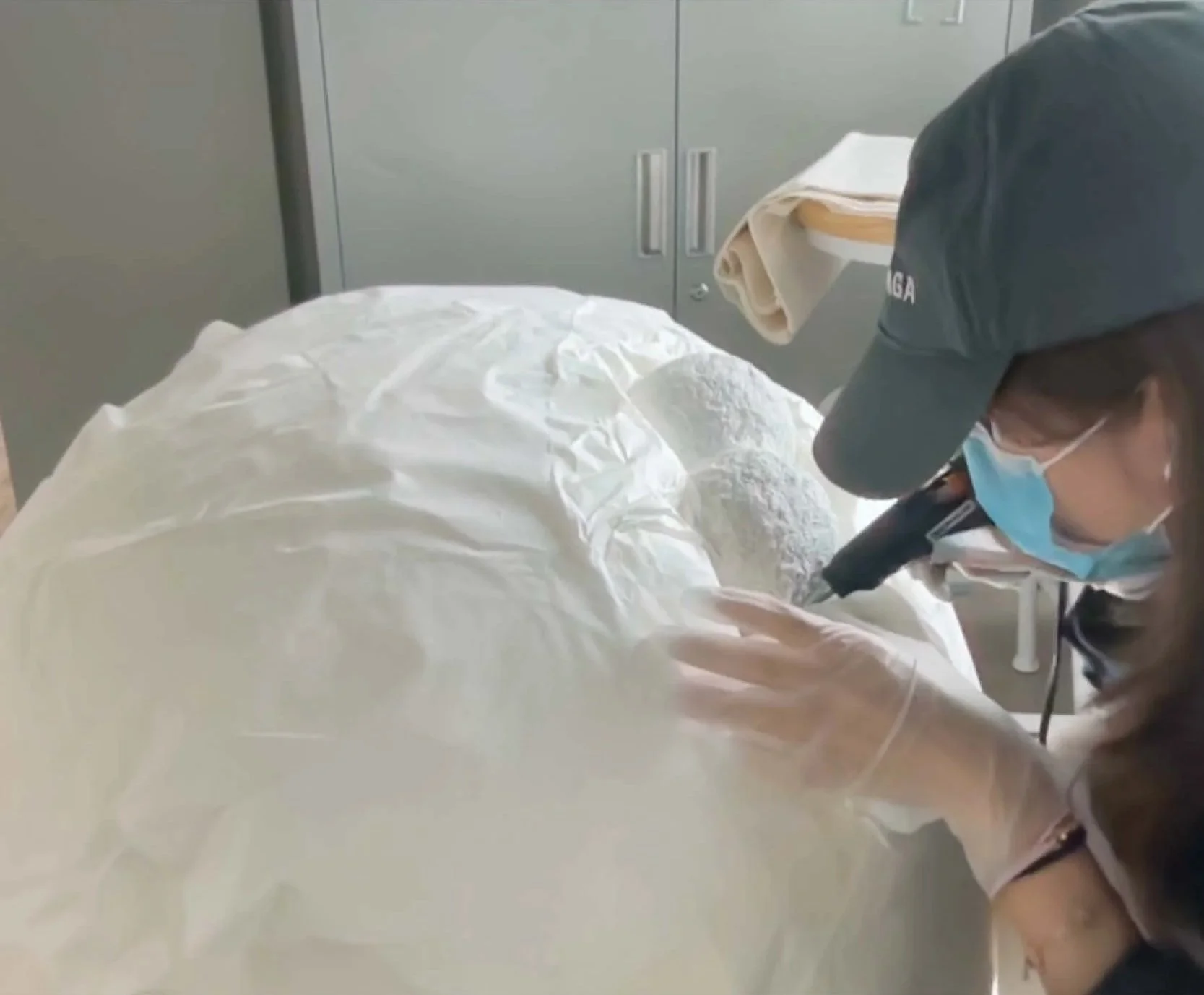
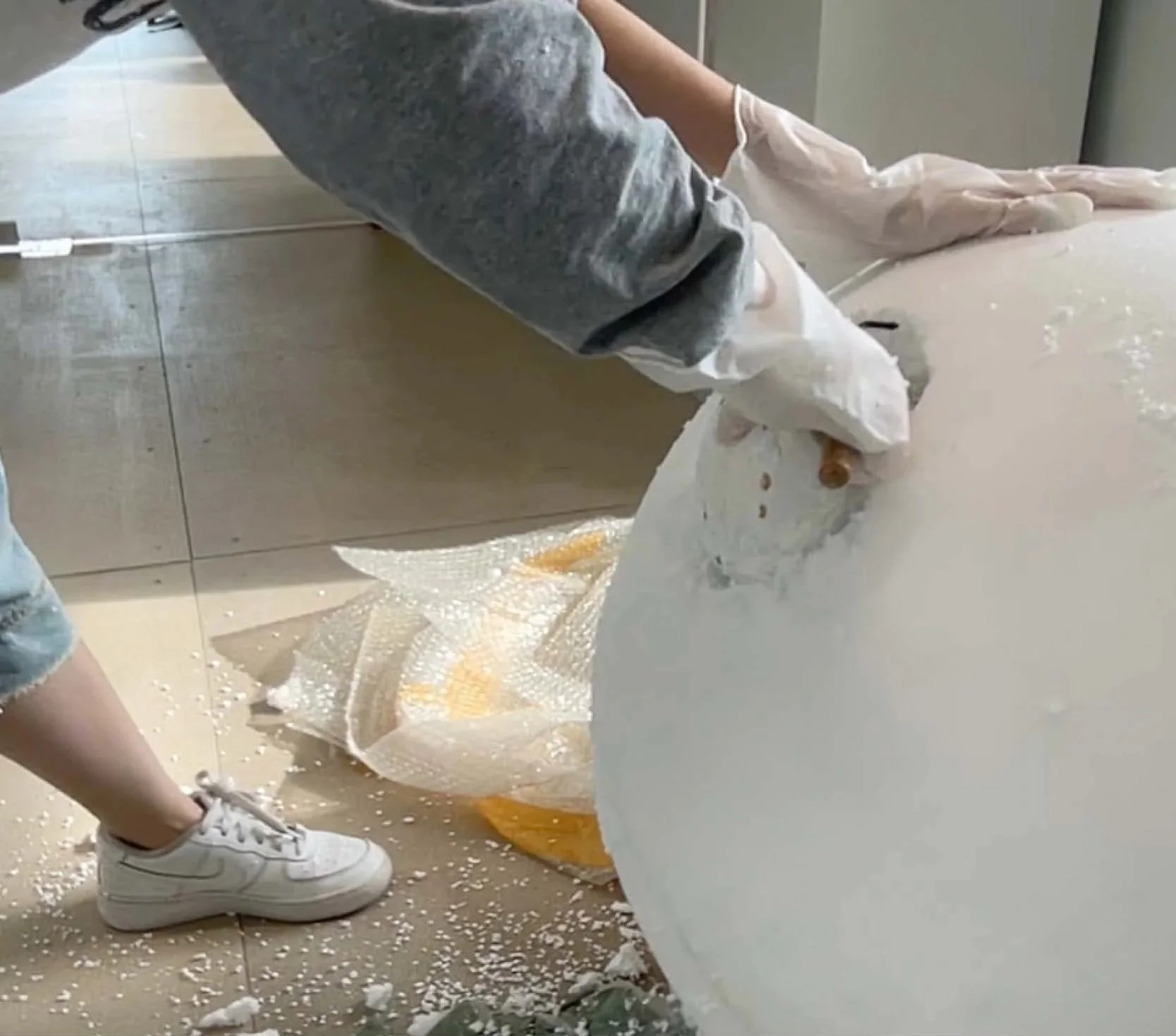
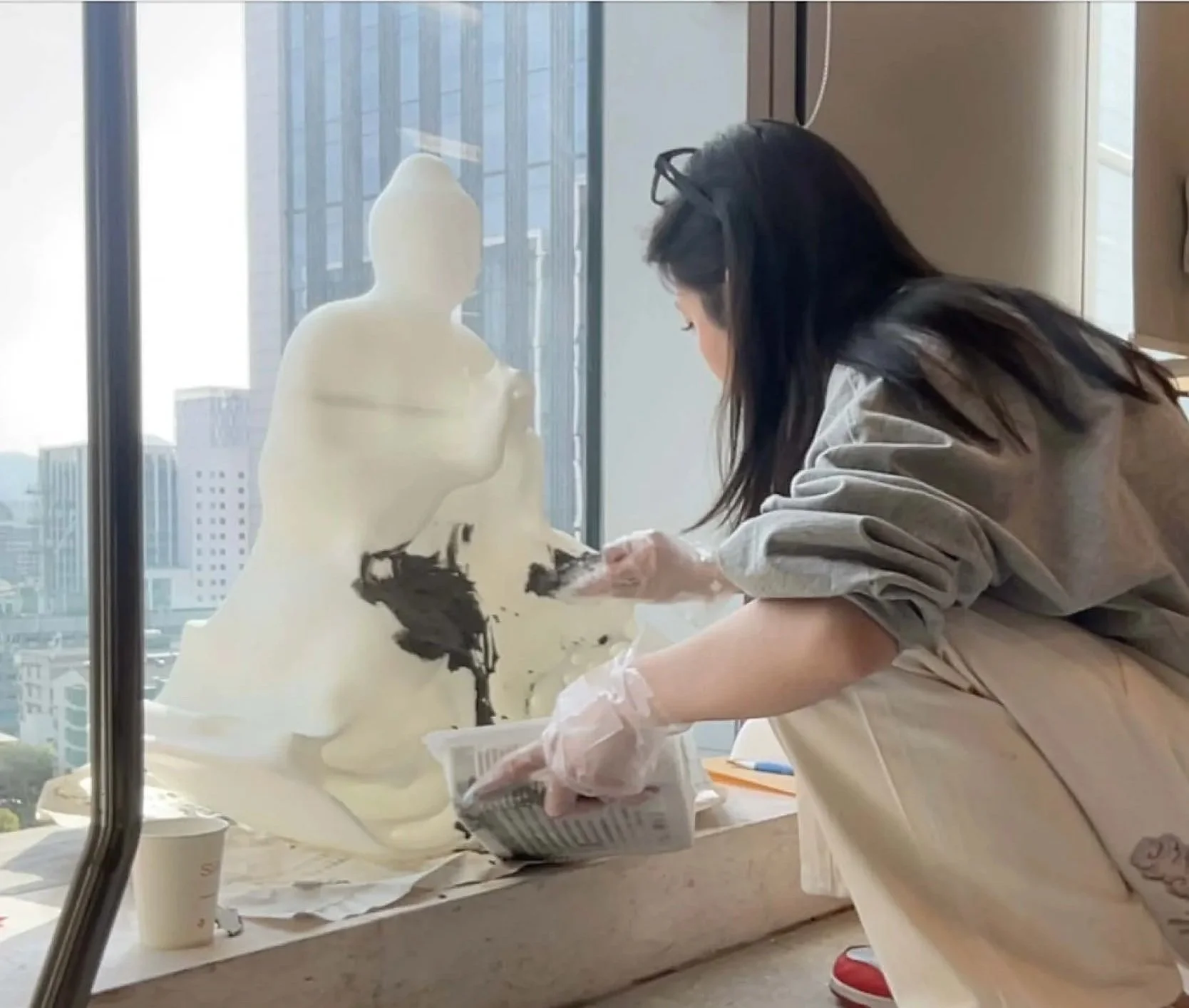
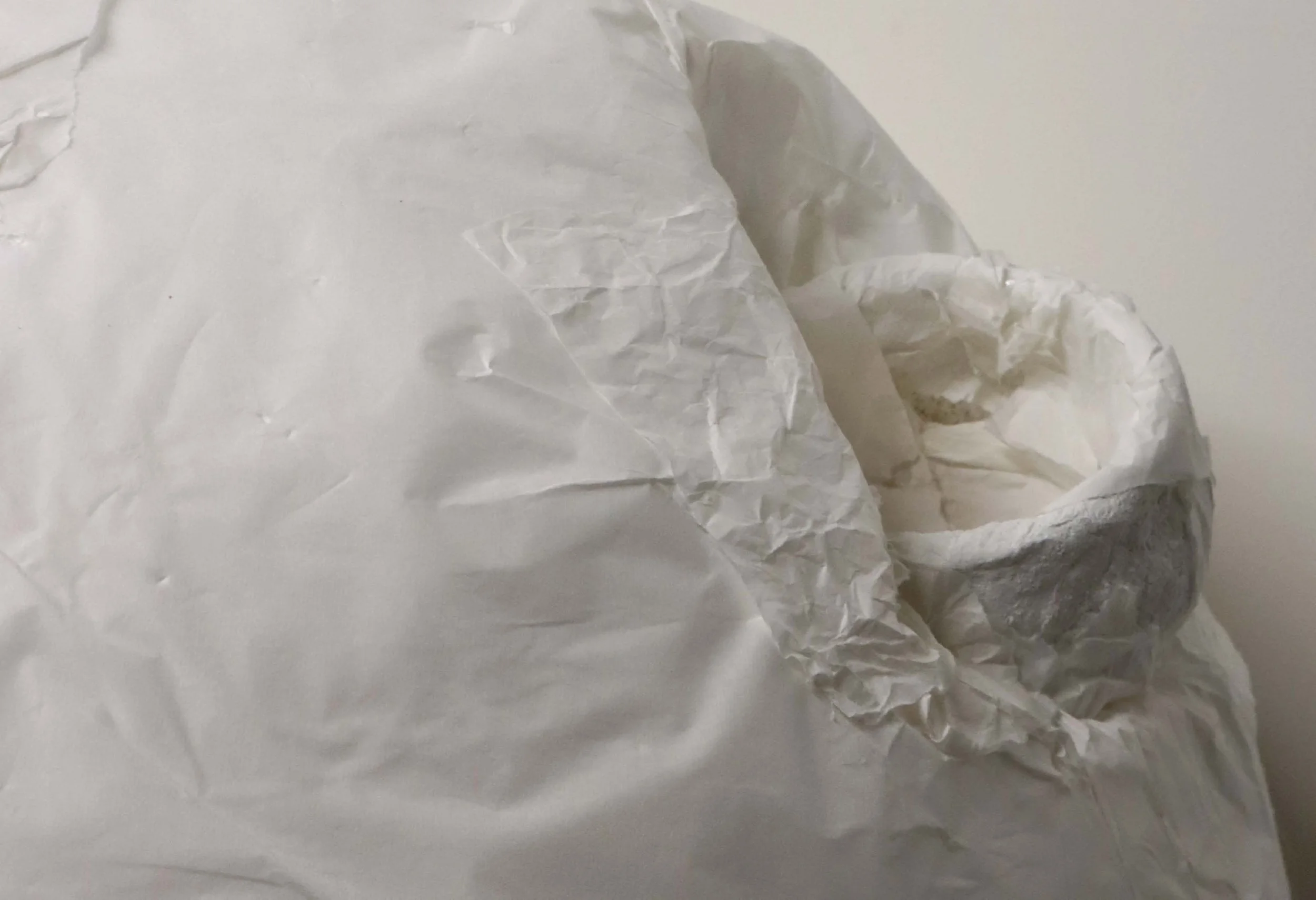
Final Display

OUTCOME
POSTER DESIGN
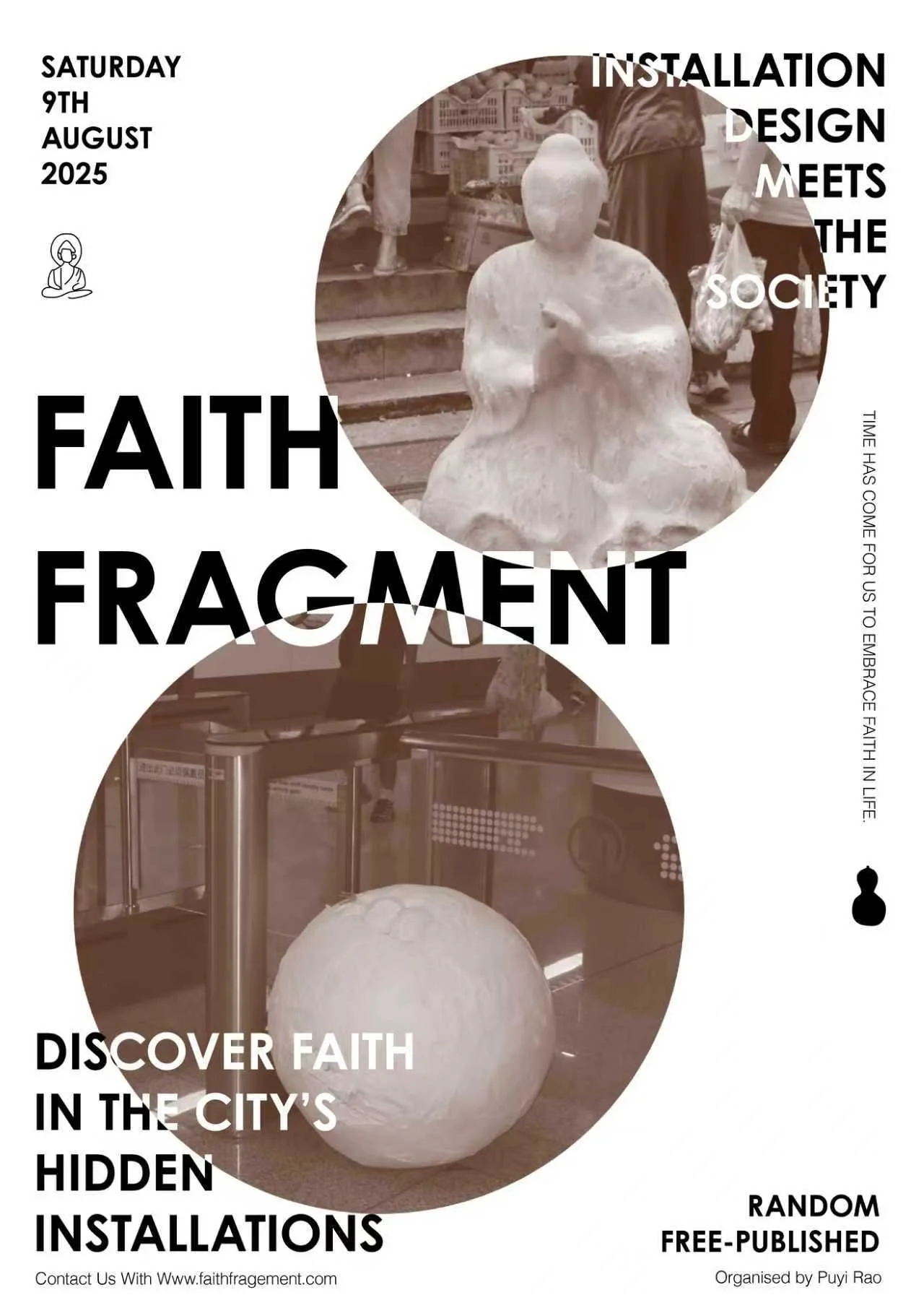
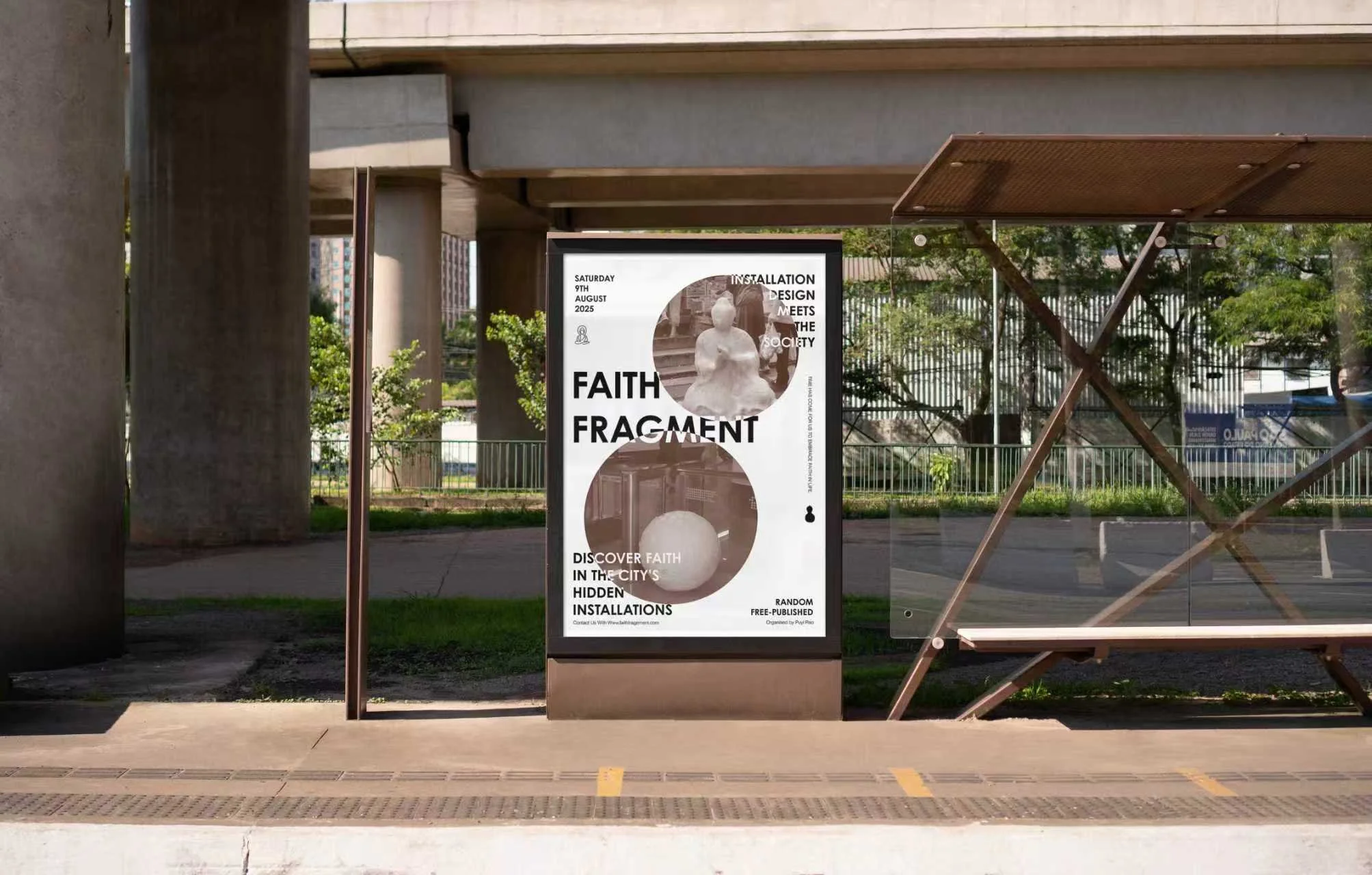
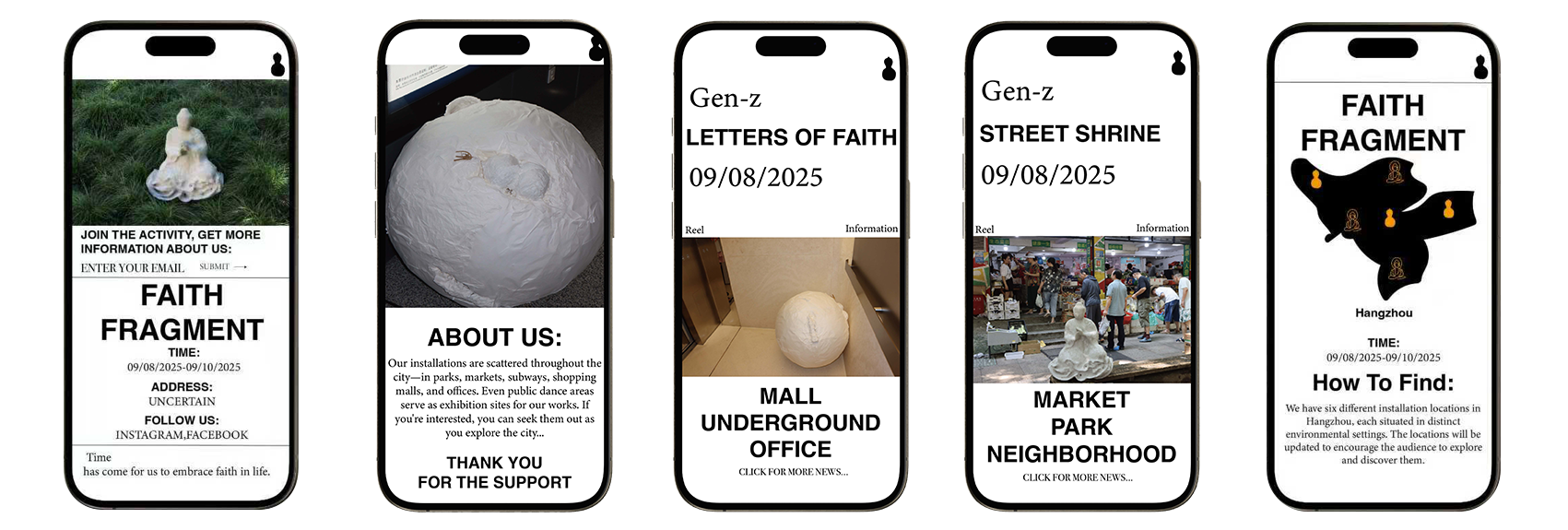
To enhance the promotional impact of the installation, we designed complementary promotional posters and a mini-program, aiming to help the audience clearly and quickly access basic information about the installation and the event schedule.
USER INTERFACE DESIGN
When designing the mini-program, my main goal was to enable participants to easily and clearly access basic information about the installation—such as the time, location, and possible positions—at any time. It functions like an instruction guide or a mini-game, allowing the audience to better engage with the installation exhibition.